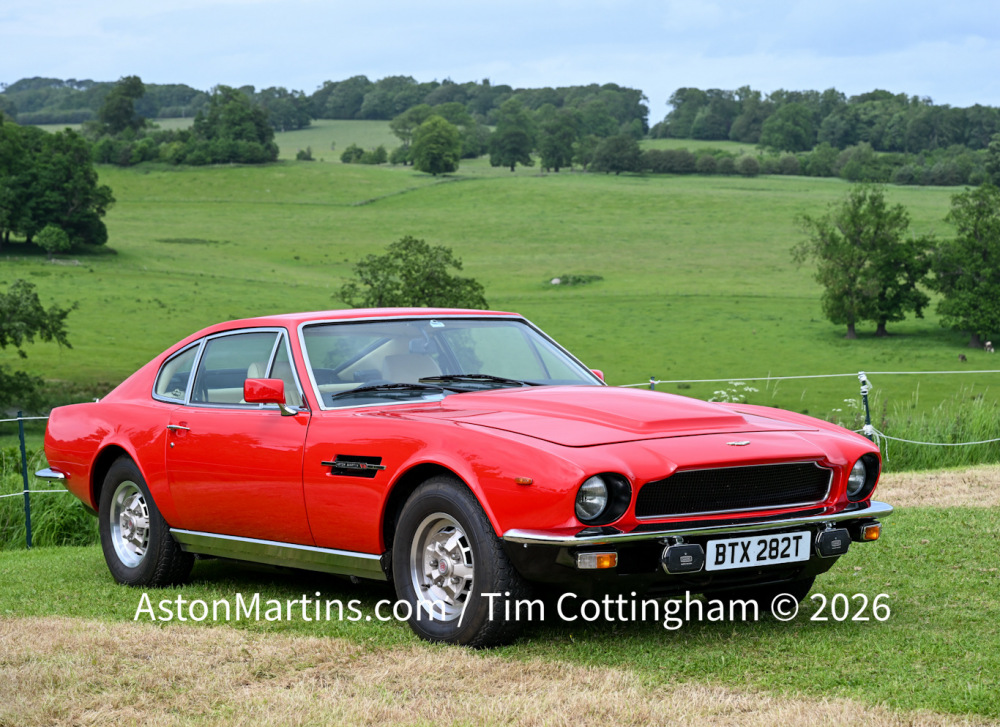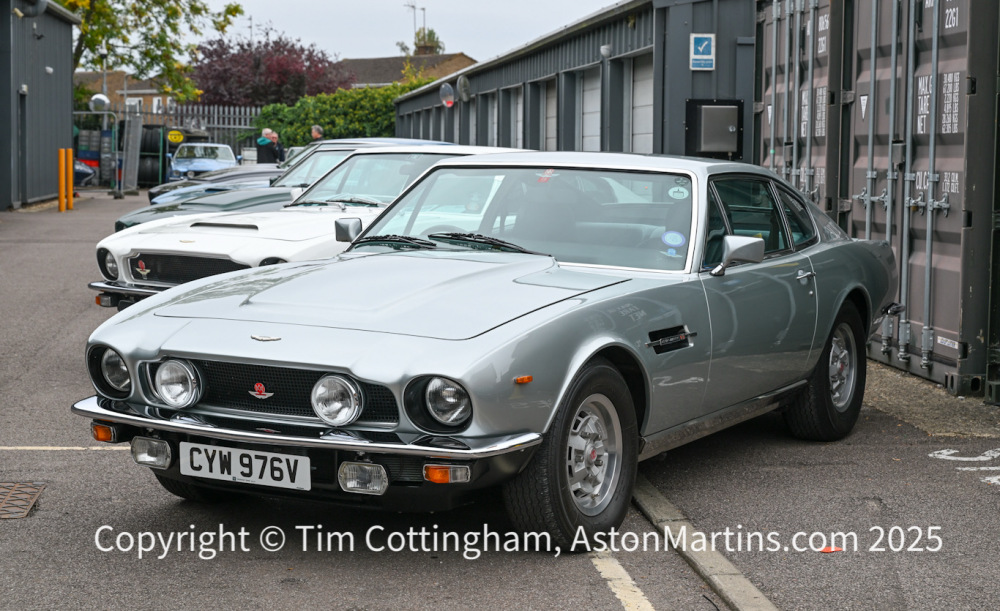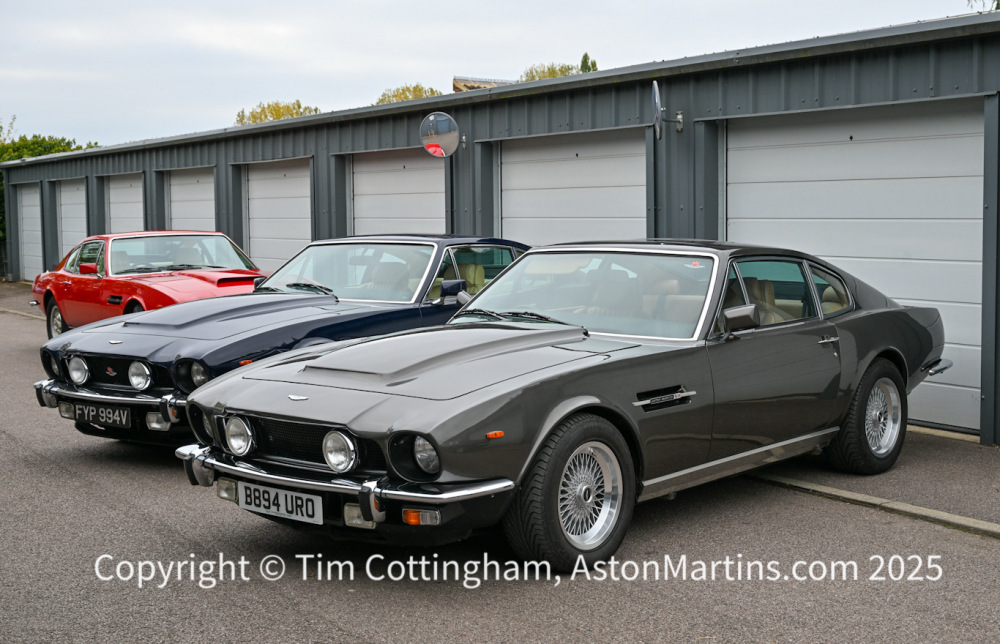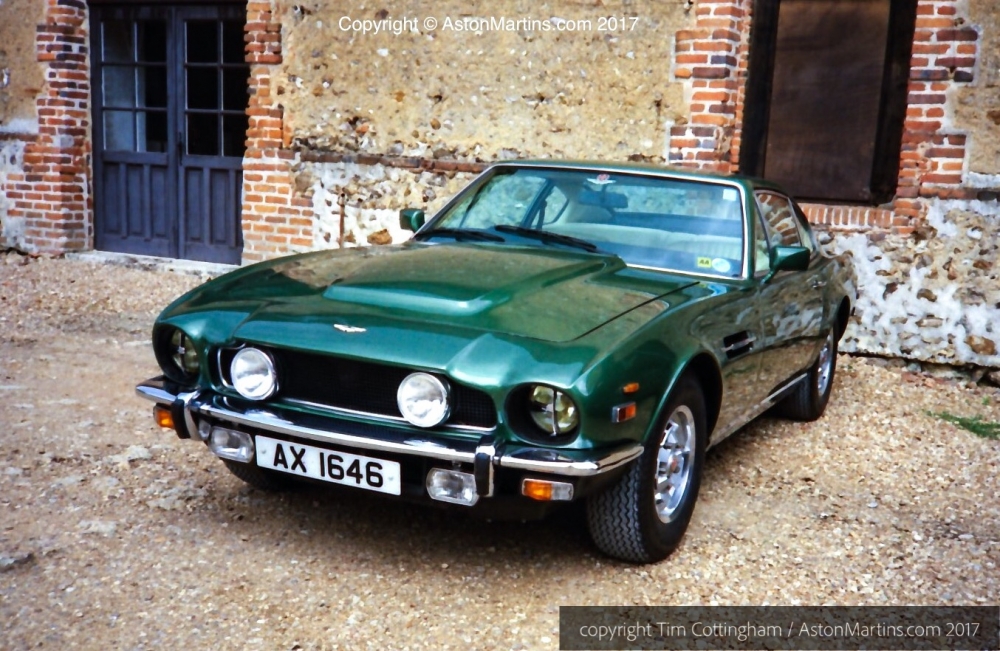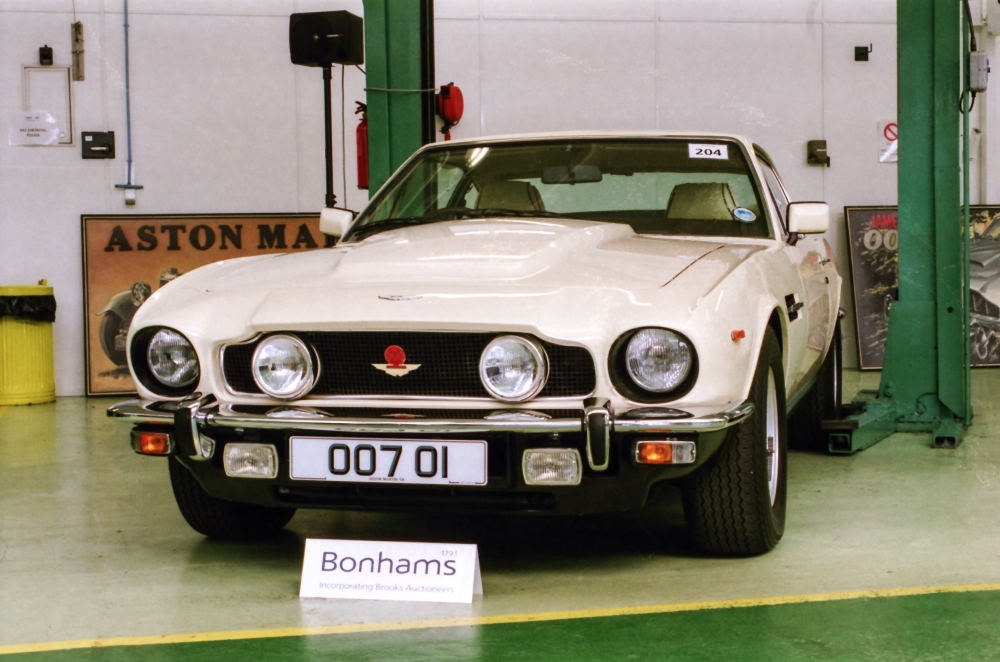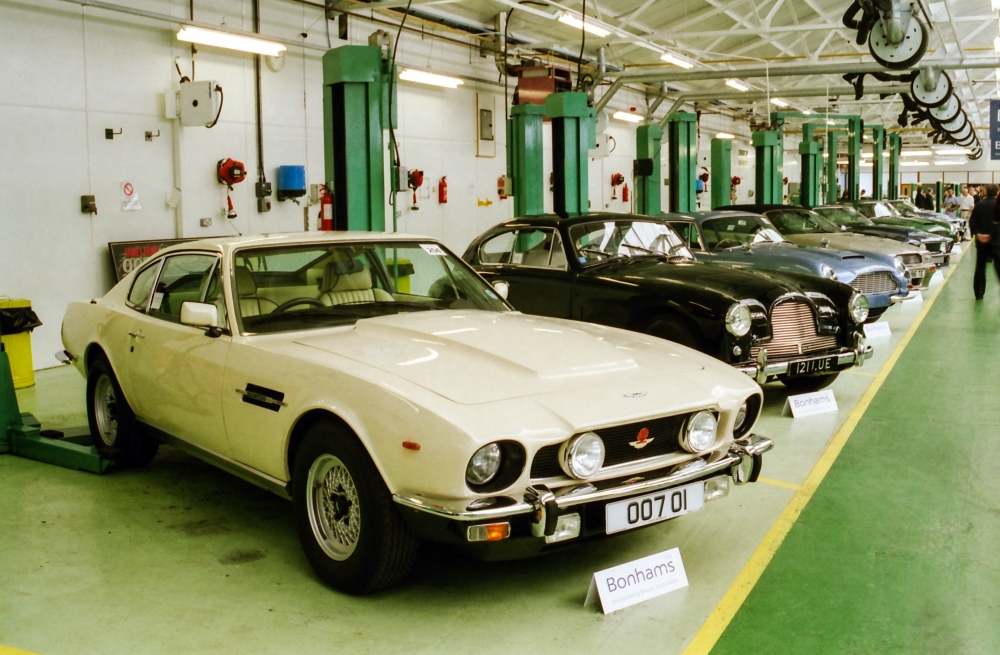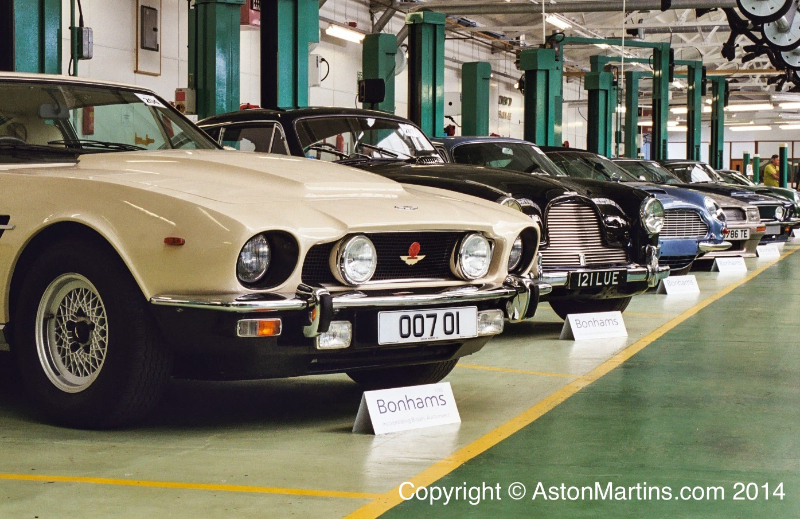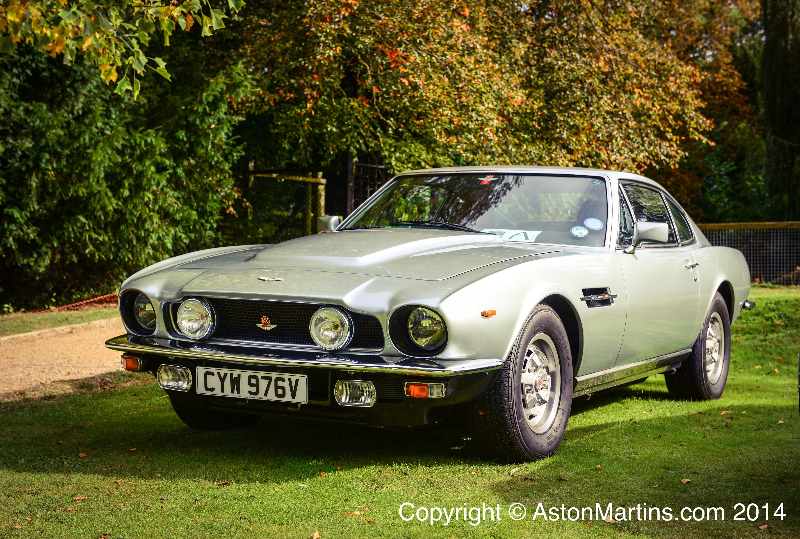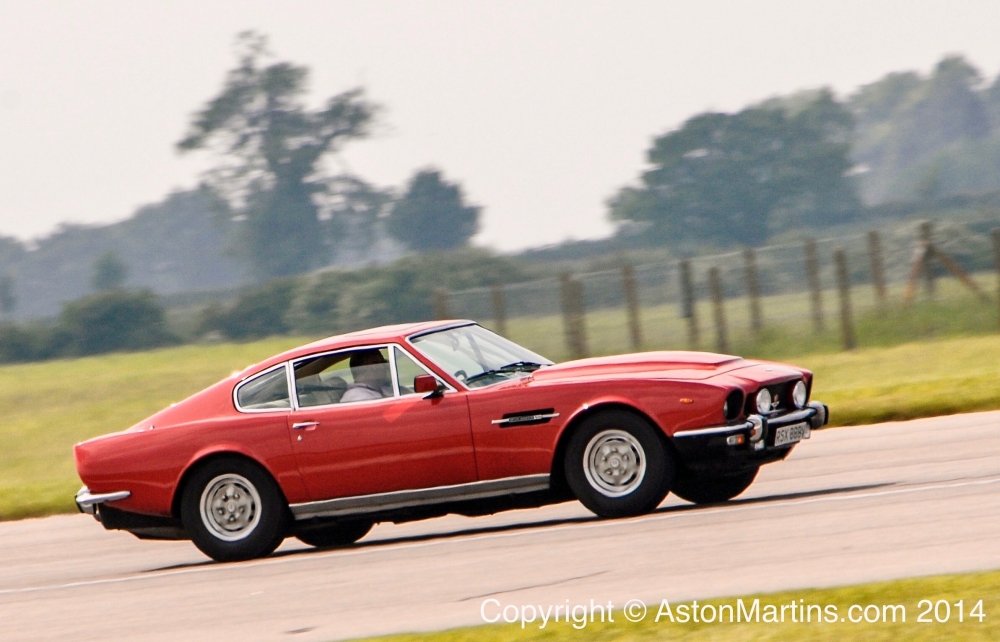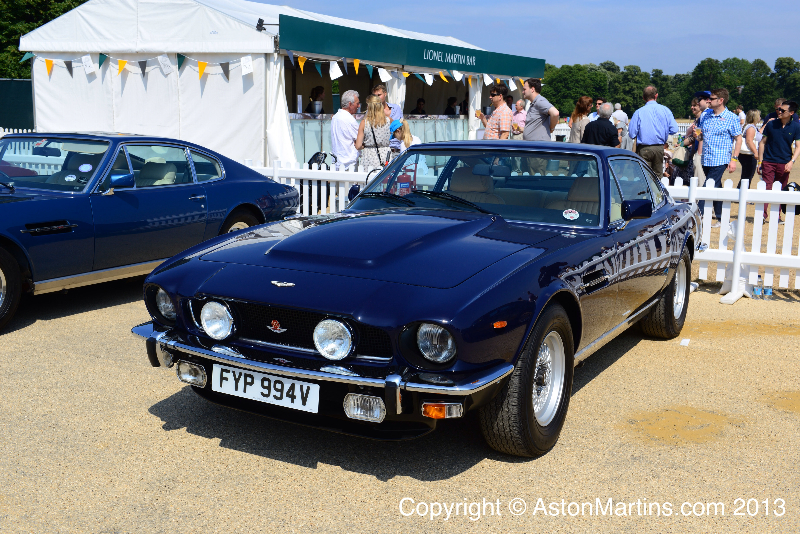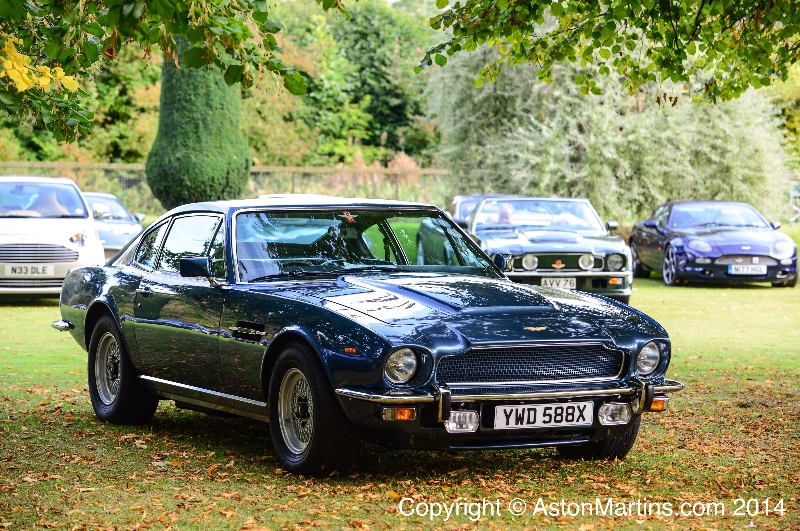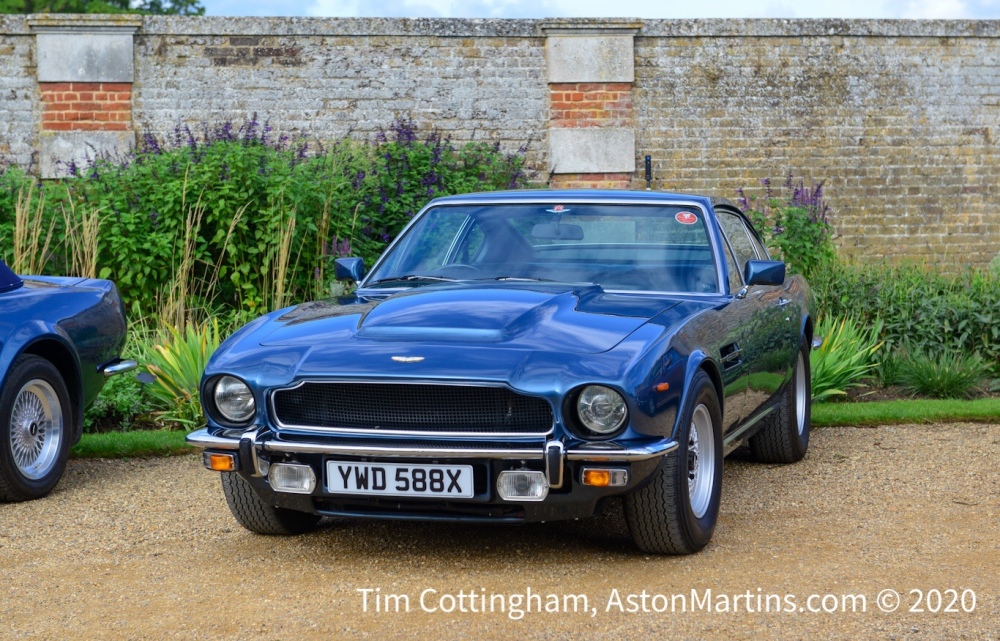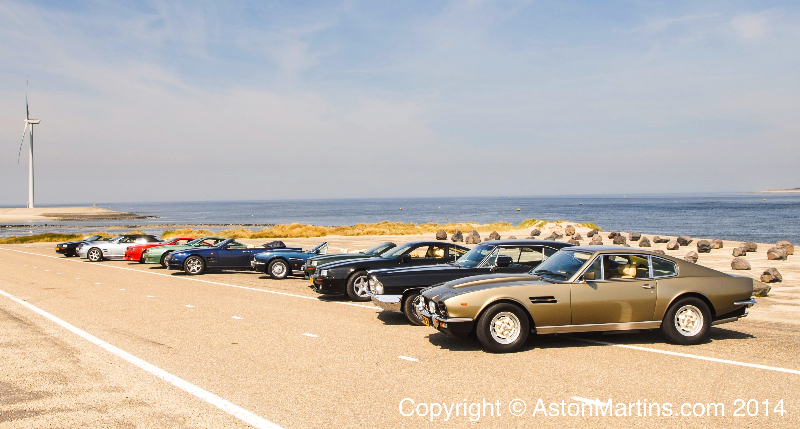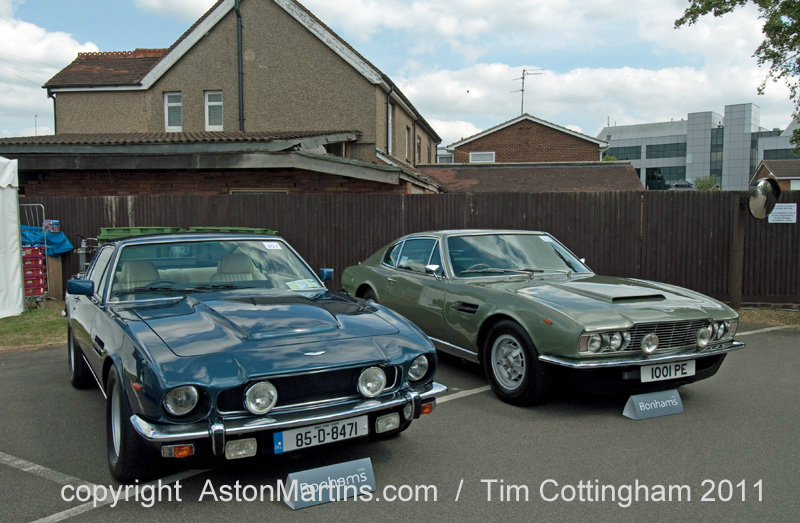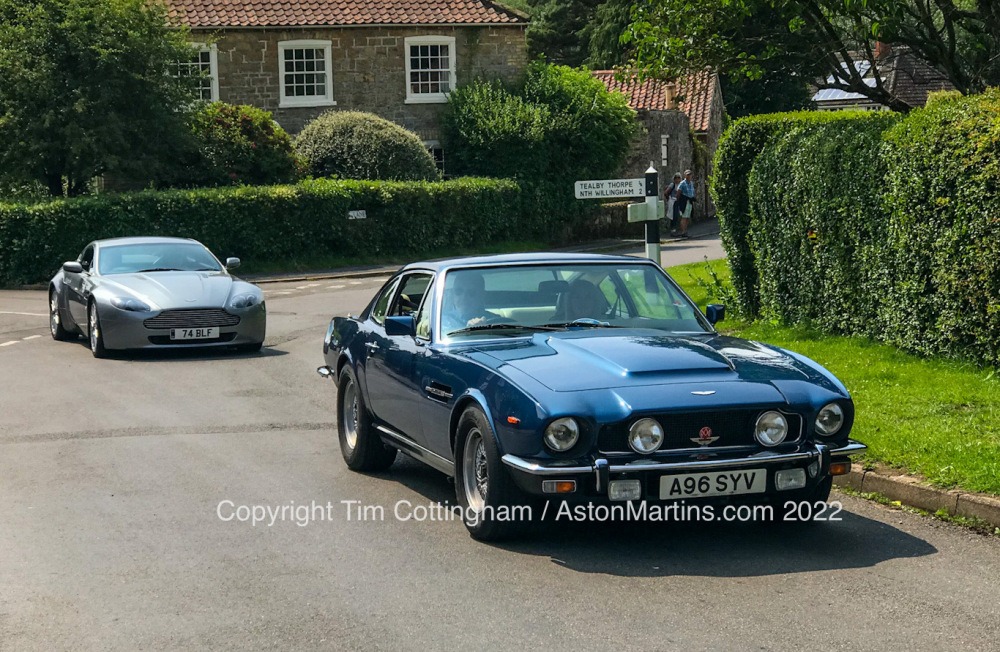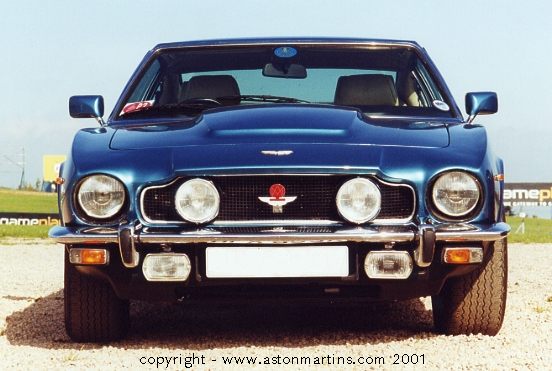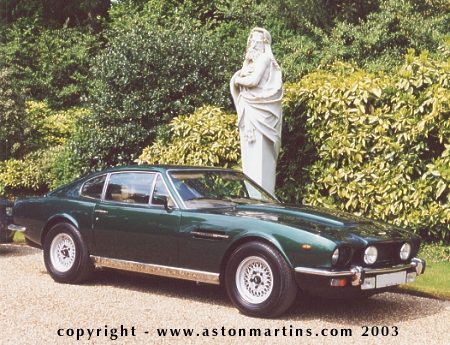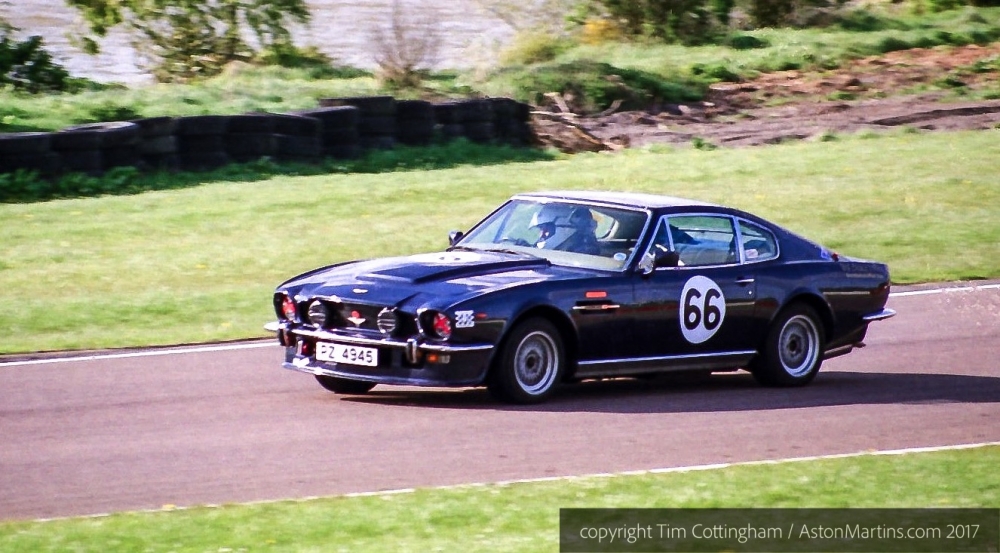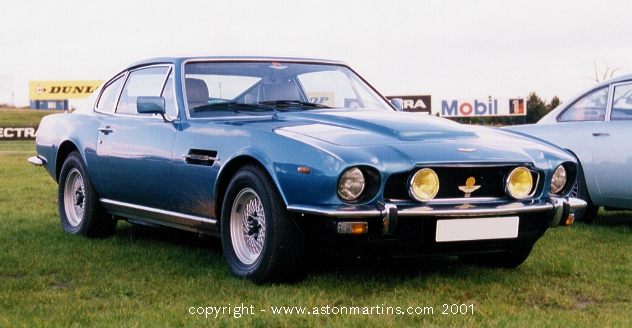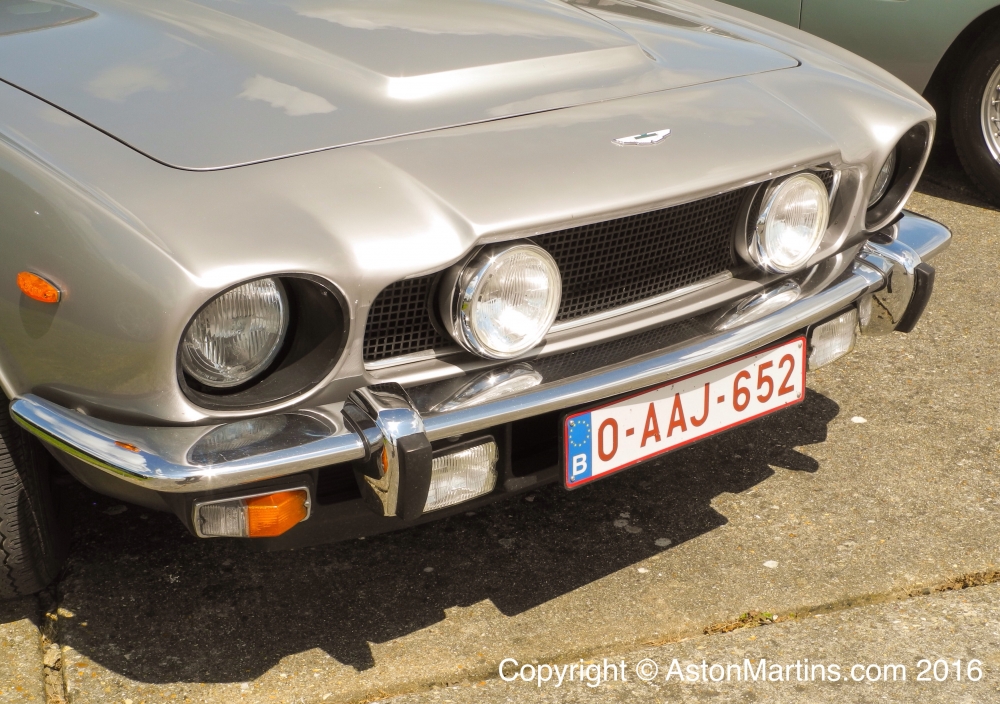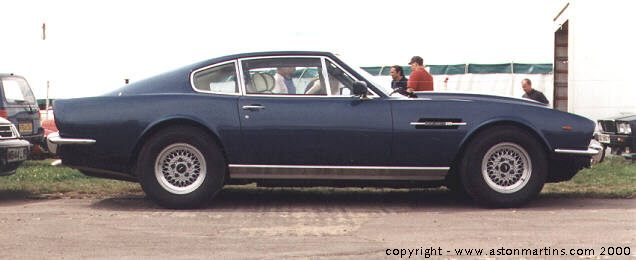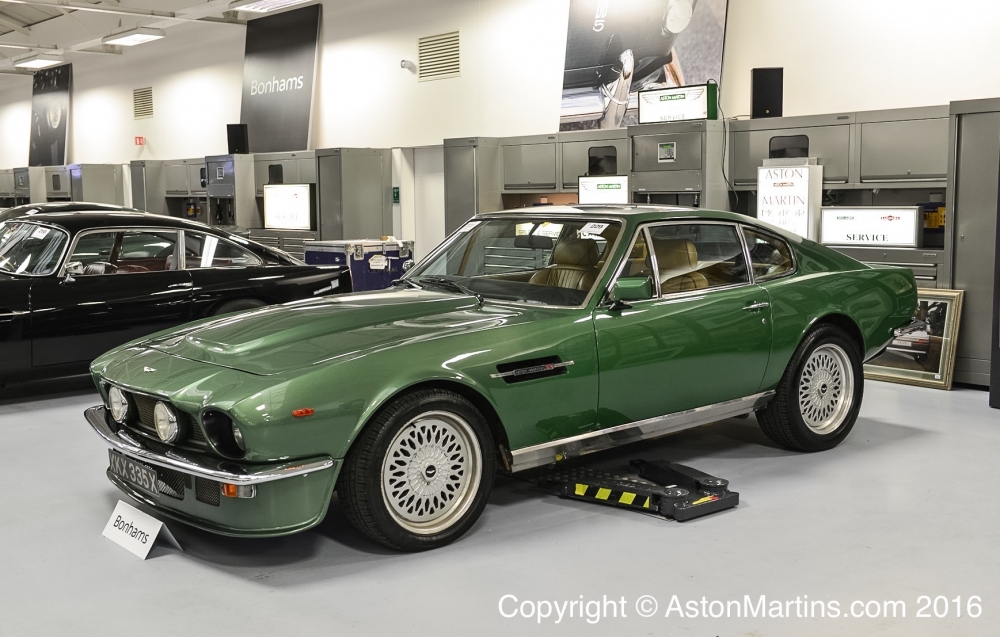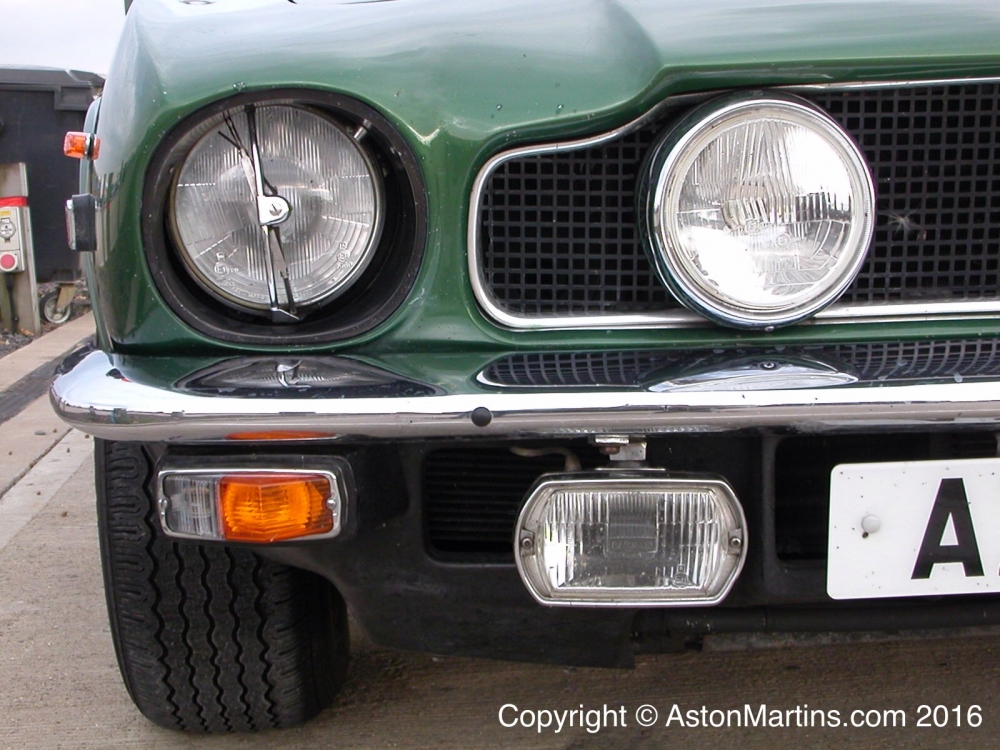


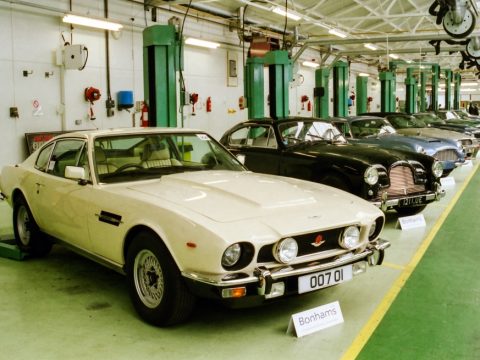
The bonnet scoop was finally closed on the Oscar India V8 – leaving a pleasantly sculptured power bulge. Many cars were also fitted with twin Cibie driving lamps within the radiator intake plus fog lamps under the front bumper. The GKN wheels remained standard from the introduction of the model but were replaced by the attractive BBS cross spoke type with 8 inch rims from 1983.
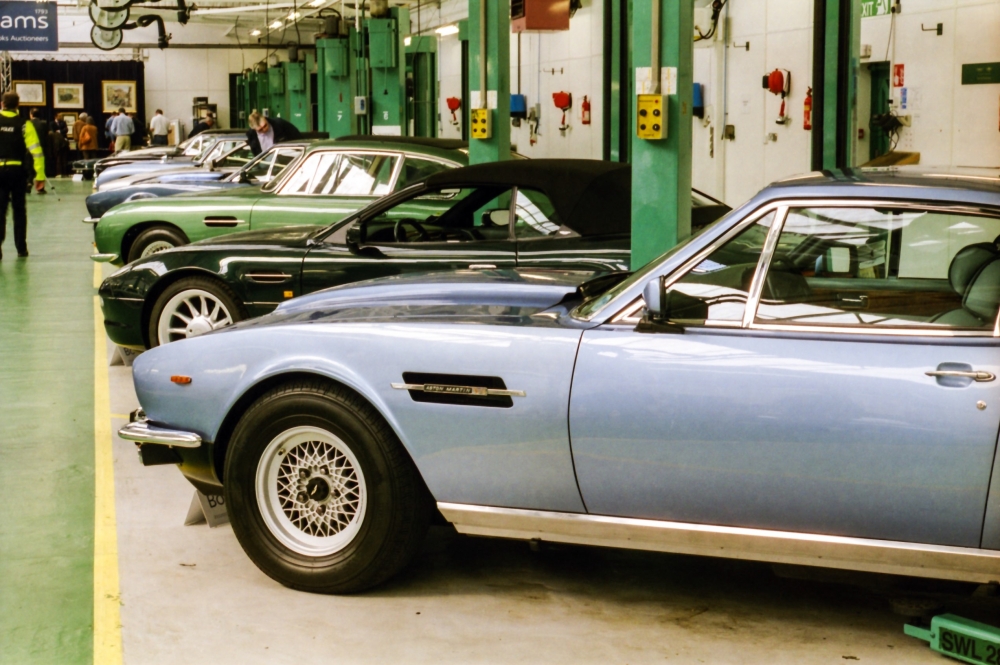
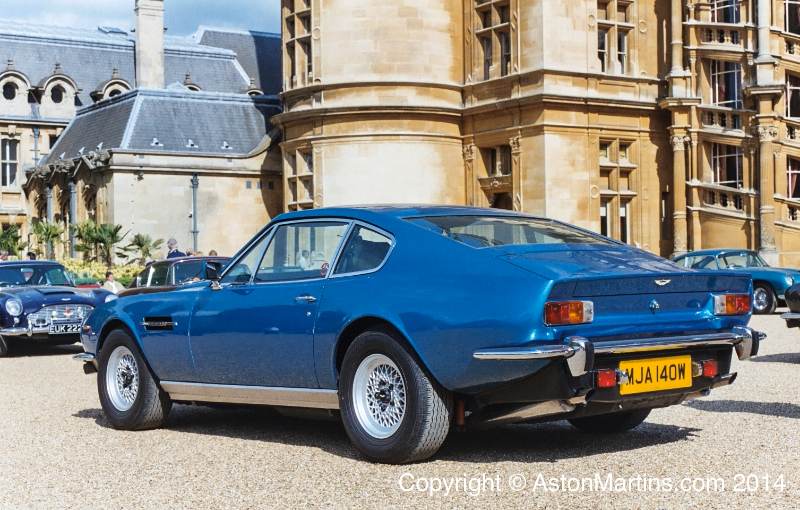
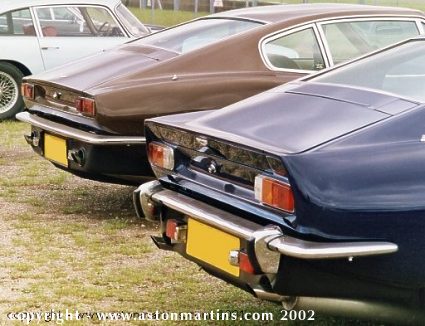
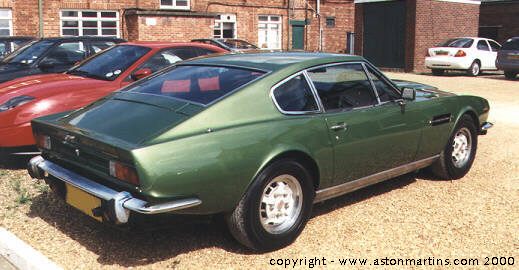
One of the principle external changes to the Oscar India was the incorporation of a neat integral spoiler, under the guidance of William Towns, the cars original designer. On of the photographs in nthe gallery below compares the rear of a blue Oscar India with a brown Bosch f.i. car.
Also in the gallery is a later V580 spec Oscar India, fitted with the BBS wheels, was photographed at Coys festival, 1998. Performance from the carburettor fed V8 remained strong with a 146 mph top speed and 60 mph coming up from rest in as little as 6.6 seconds, even with the commonly fitted auto box (although both Autocar and Motor magazines couldn’t do better than 7.2). But the AM V8 didn’t now have to provide ultimate thrills, the V8 Vantage fulfilled that role admirably.
The Torqueflite three speed automatic gearbox was fitted to a vast majority of non Vantage V8’s. AML was able to buy them from Chrysler for the small sum of just £150 which was tiny compared to the £1500 cost of the ZF 5 speed manual.
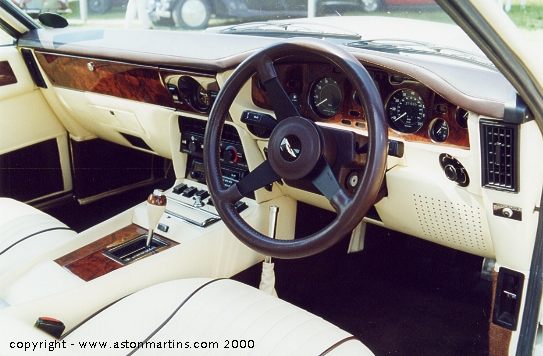
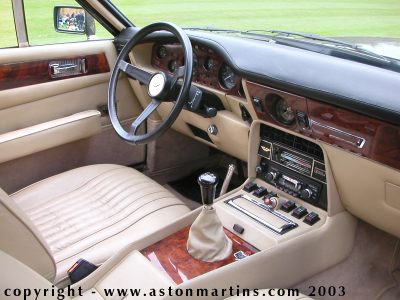
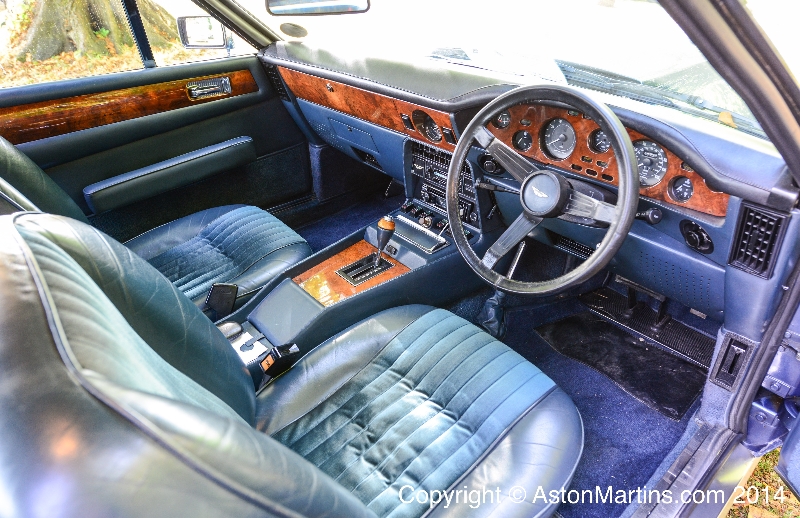
The interior if the Oscar India cars was comprehensively revised in line with the recently introduced Volante, with the re-introduction of burr walnut dash and door cappings. The last time wood was seen in an Aston Martin was in the DB2/4. Also the headlining was changed from cloth to leather – needing around nine hides in total for the car. A popular myth is that AML keep a tenth hide so that the leather could be repaired if it became damaged – nice story, shame that it isn’t actually true.
During seven and a half years of production, a total of 291 cars were made. Many small but important changes were of course made during the build period. Principally, 1980 saw the introduction of the V580 series engine – from a desire to standardise engine parts across the entire AML V8 range. Based on the head from the Lagonda, the V580 had larger and Tuftirided dished valves, polynomial camshaft profiles, smaller cylinder head porting barrel-shaped pistons and a higher compression ratio of 9.3:1 (US cars down to 8.0:1). The engine became quieter with improved economy and better mid-range torque.