


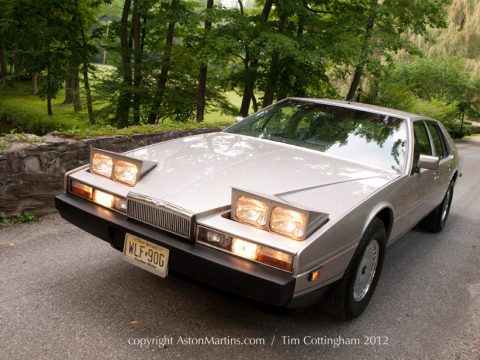
The AMOC has a way of categorising the products of AML to prevent confusion between models. The earlier Lagonda V8 is known as the series 1 – the wedge shaped Lagondas are known as the series 2, 3 and 4, based on engine spec and body style. The factory has tended to differentiate Lagonda’s by instrument type. The series 2 to 4 cars are also erroneously referred to as the ‘Towns’ Lagonda – which is absolutely true, but the series 1 car was also designed by William Towns too. When Towns styled the 4 door wedge shaped Lagonda, he also worked on a series of two door versions which never saw the light of day – I’ve been fortunate enough to see the original drawings which are terribly interesting. Interestingly that 10 years later, AML did build a 2 door Lagonda which was in fact a prototype for the Virage. Sadly I have never seen the car.
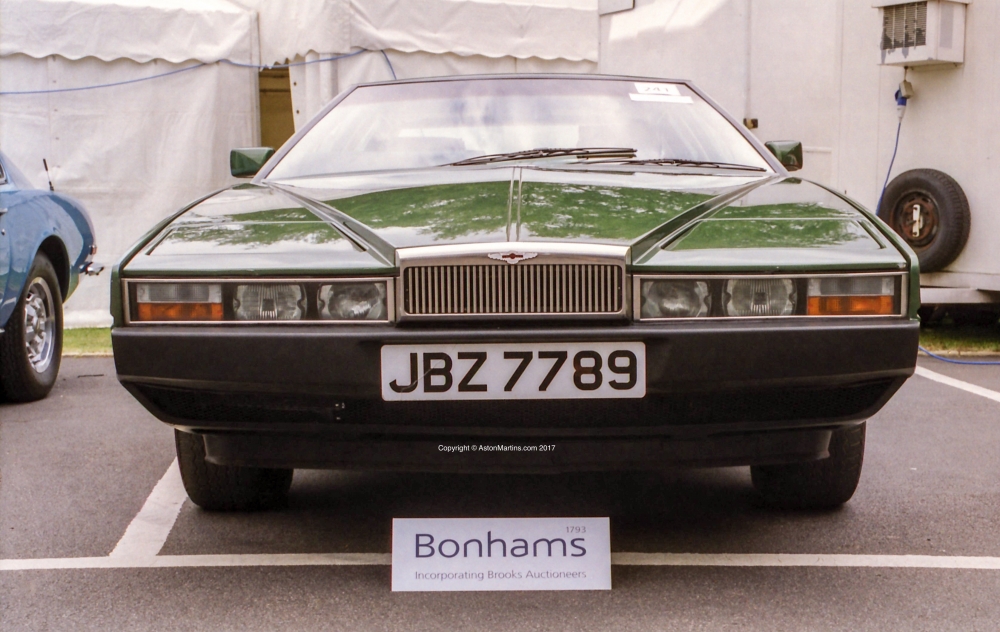
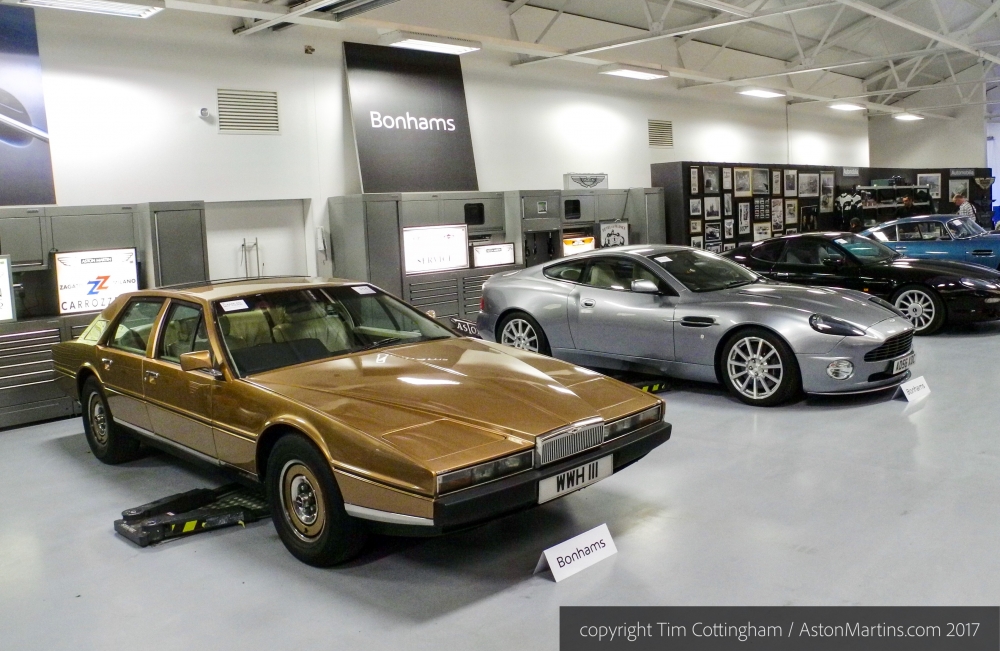
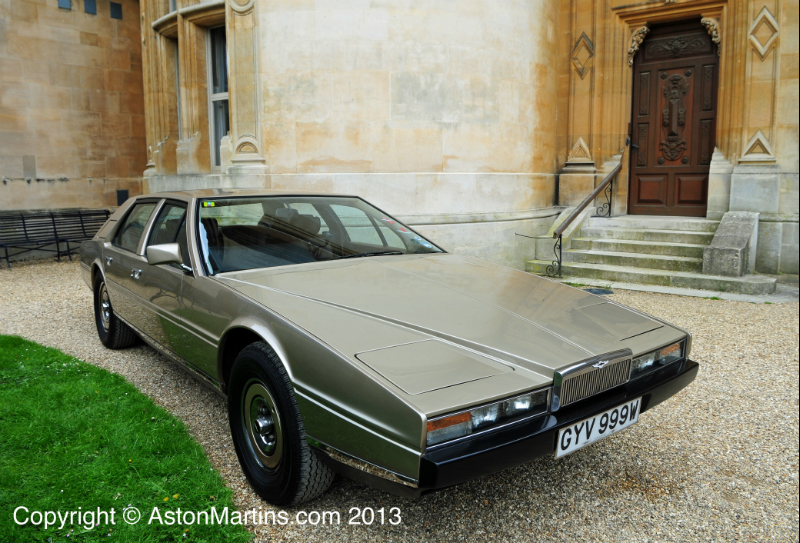
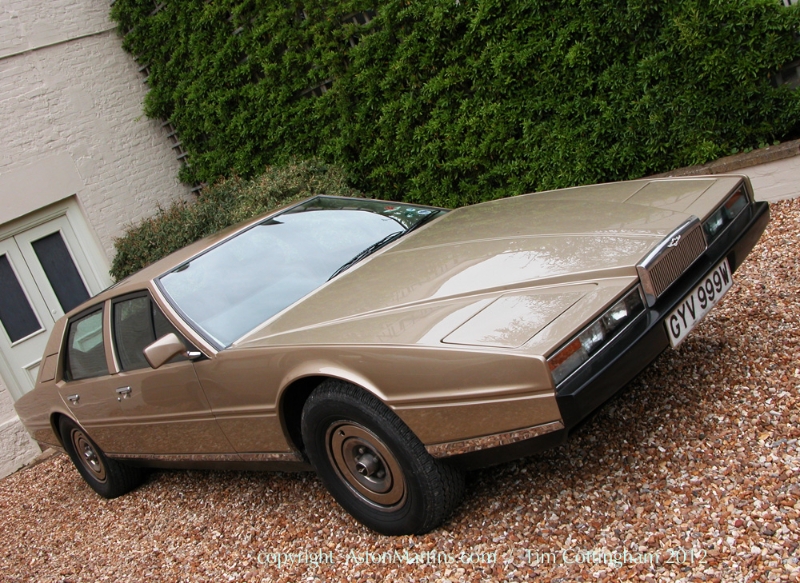
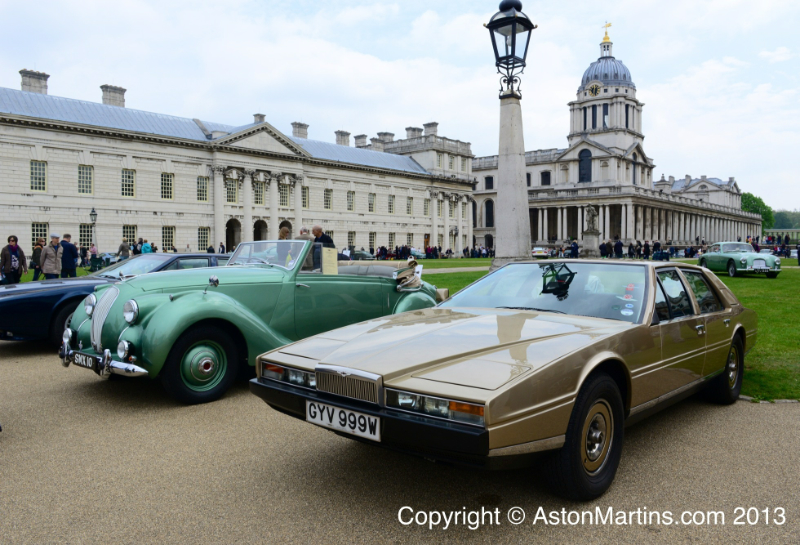
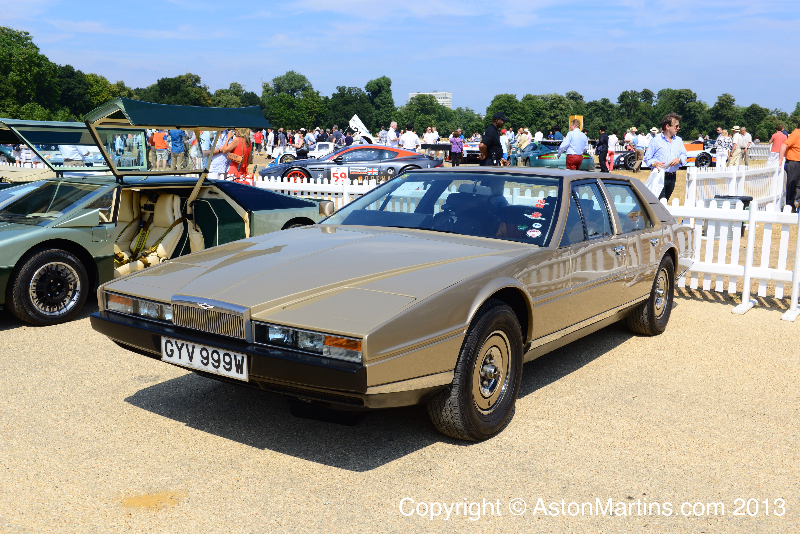
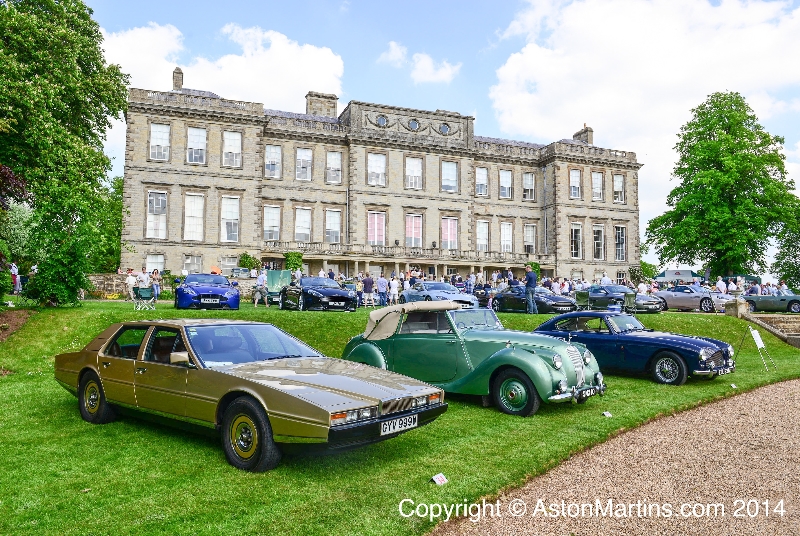
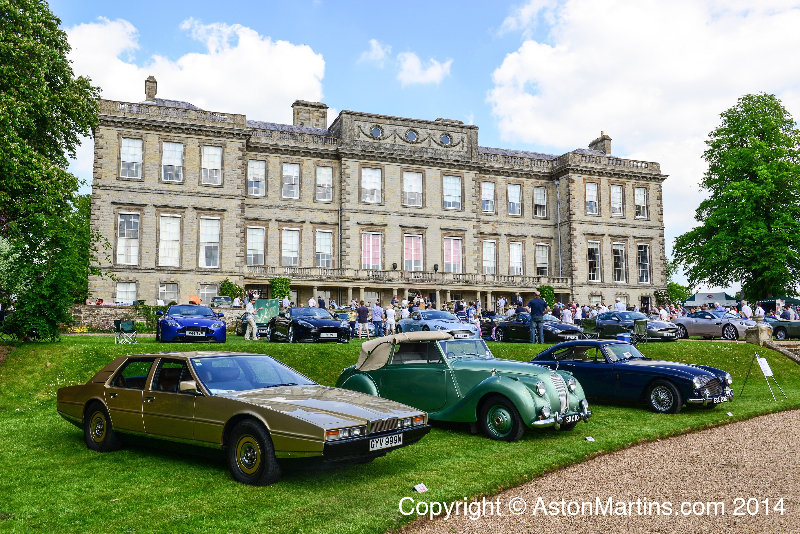
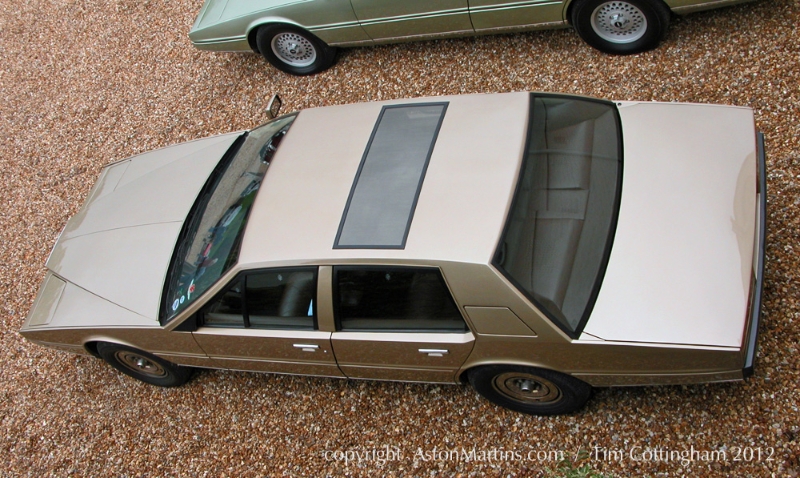
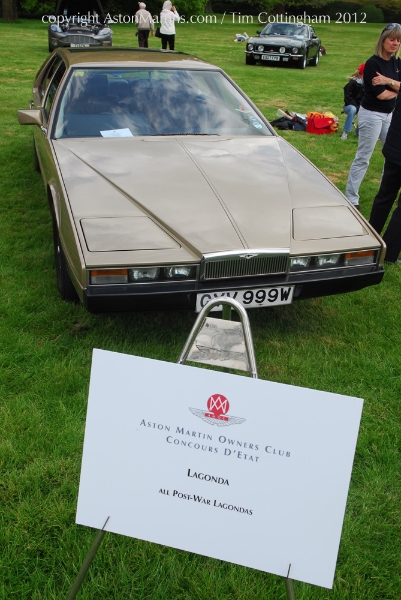

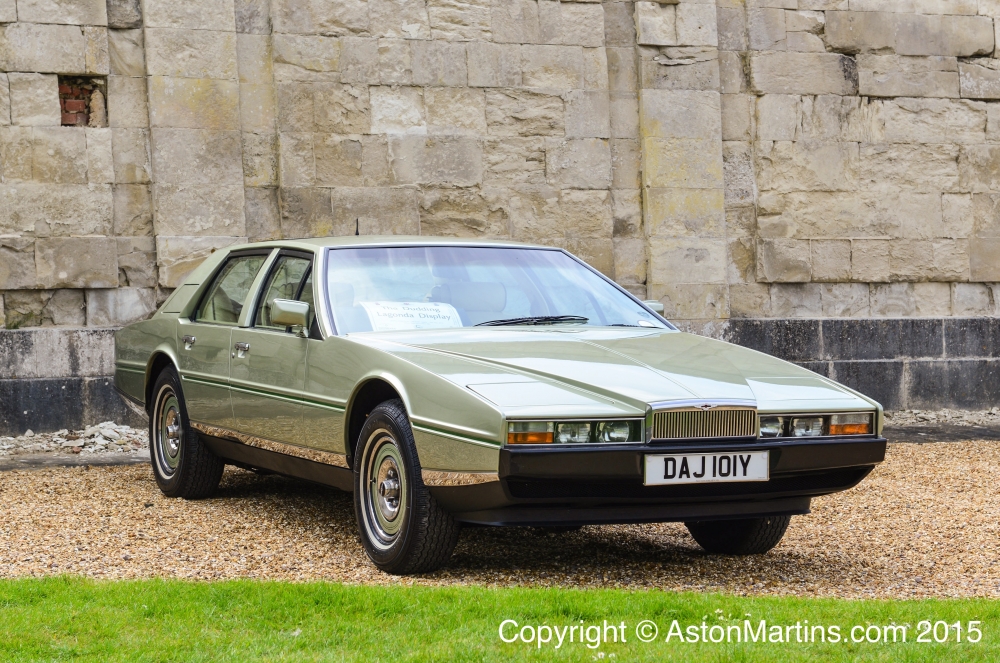
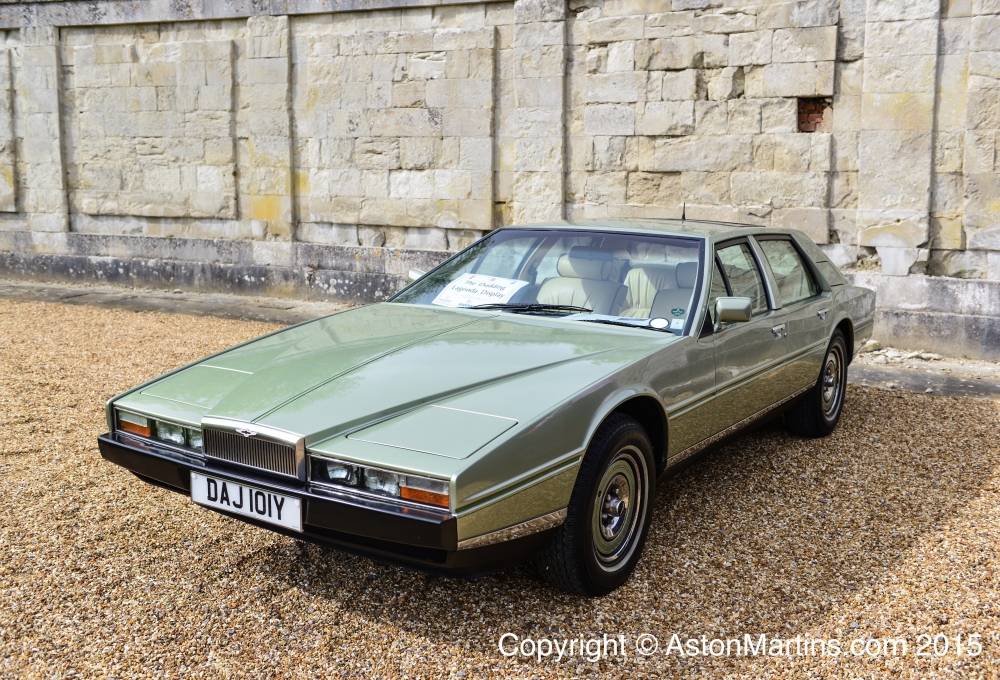
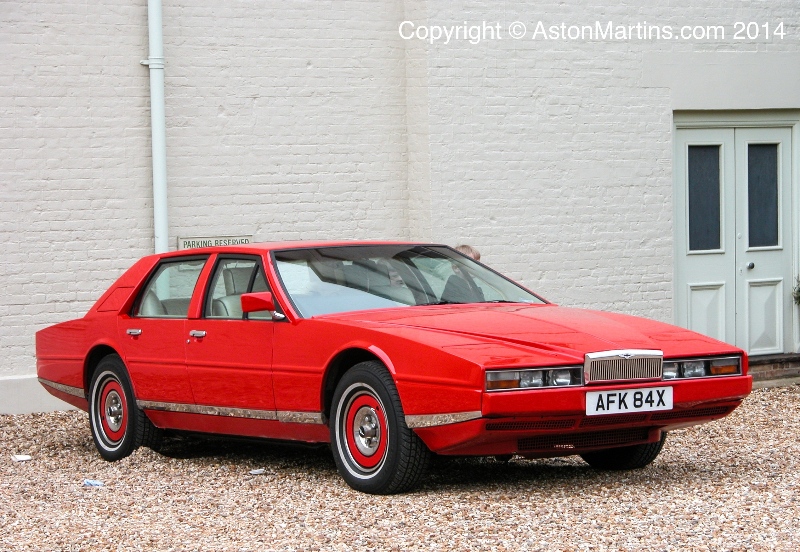
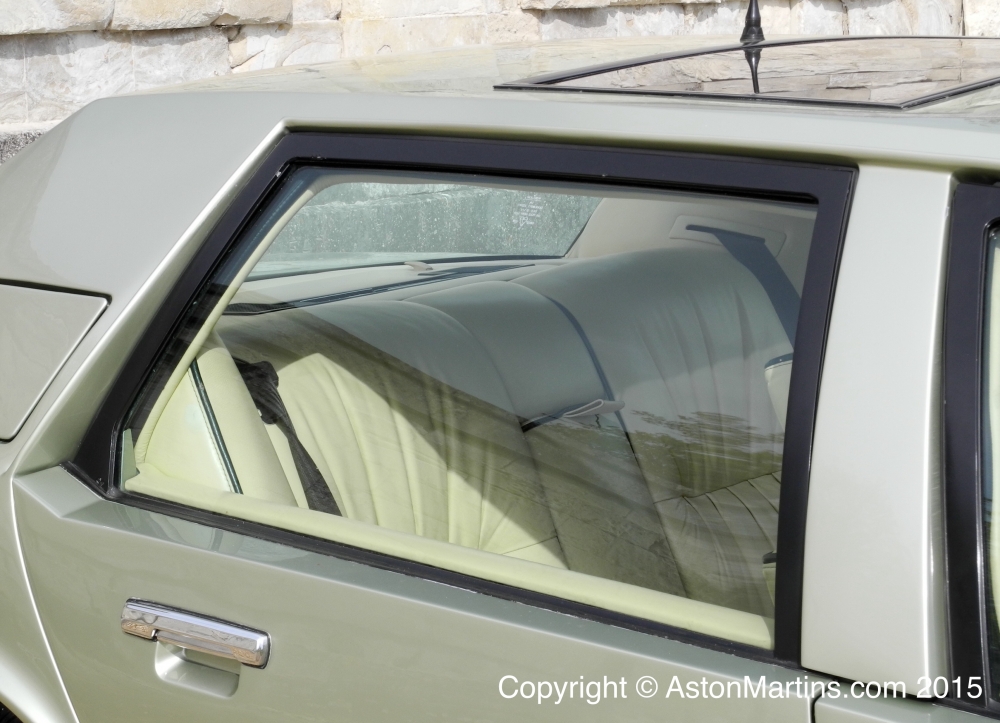
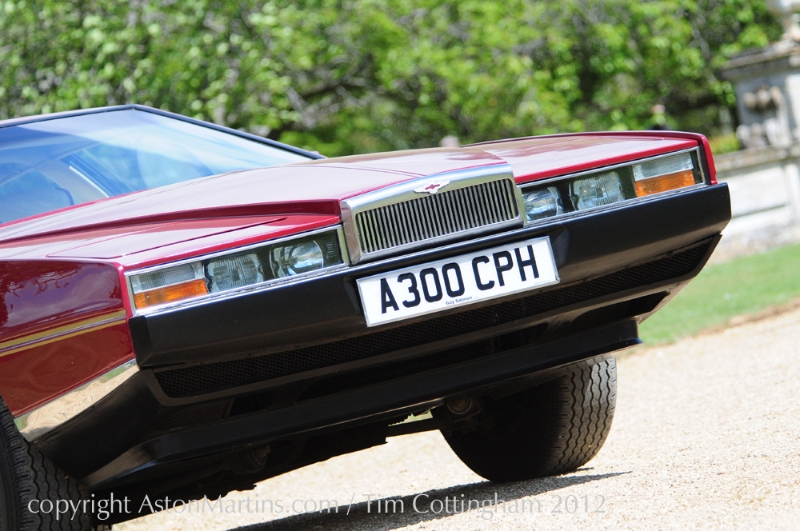
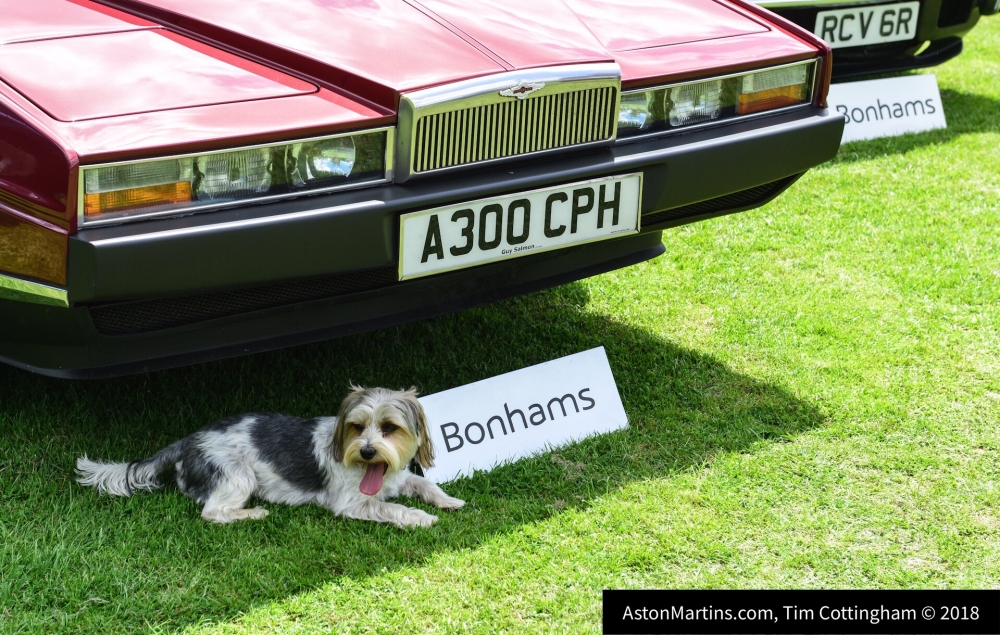
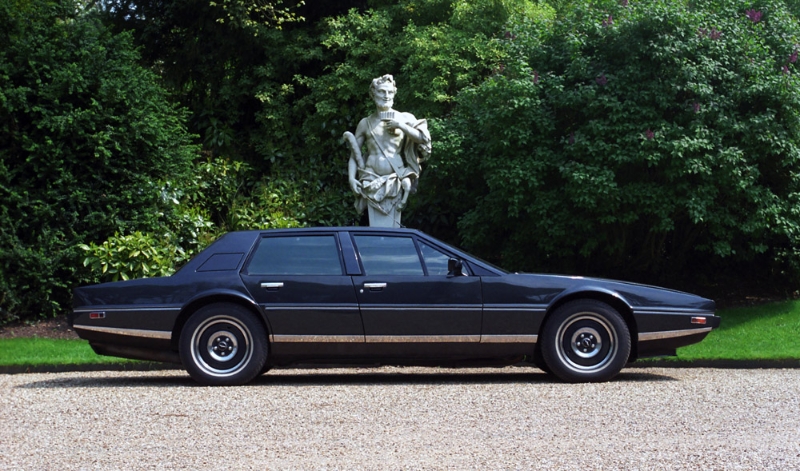
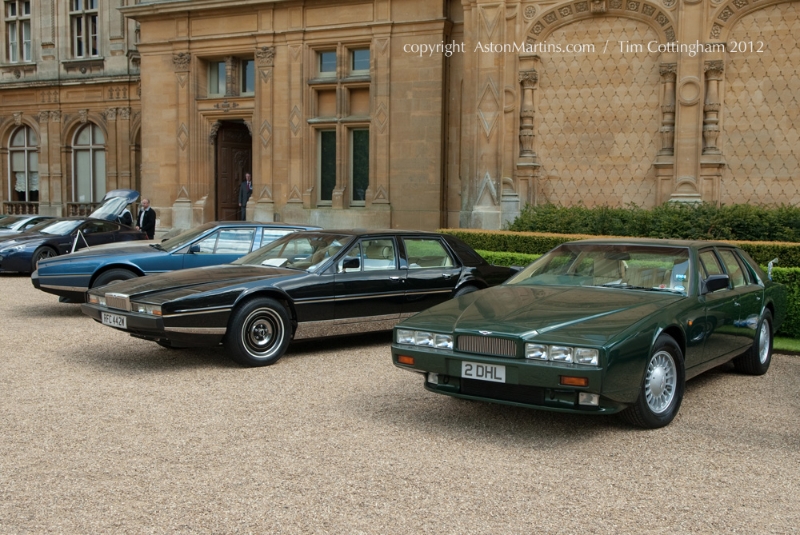
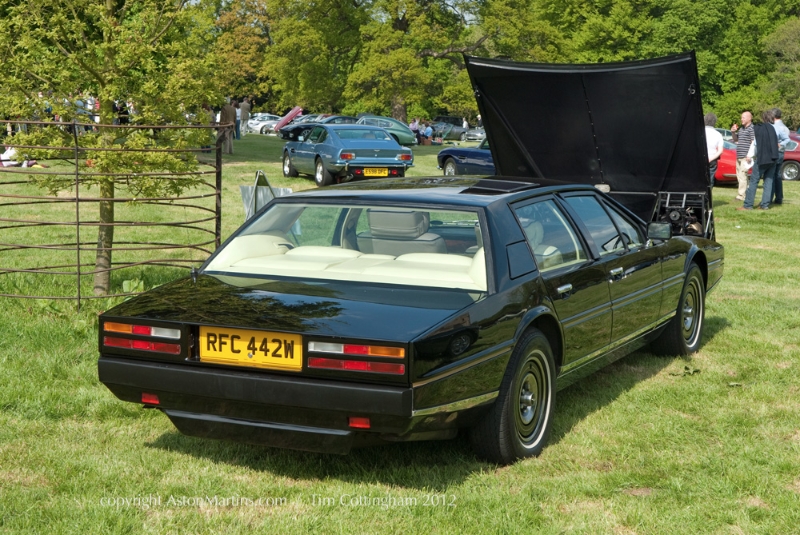
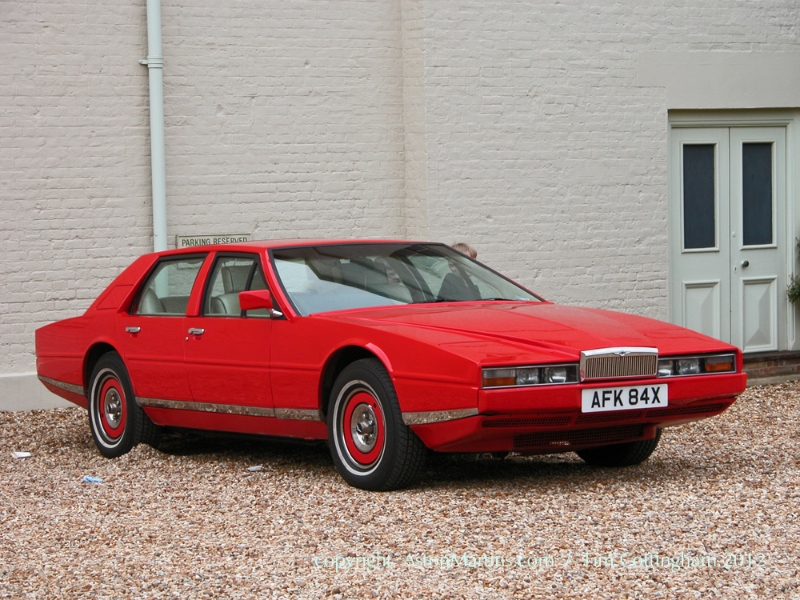
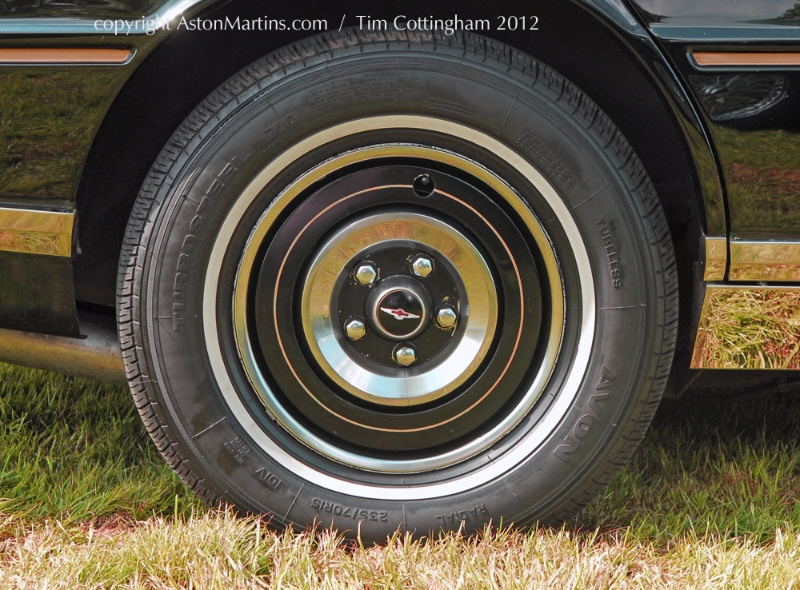
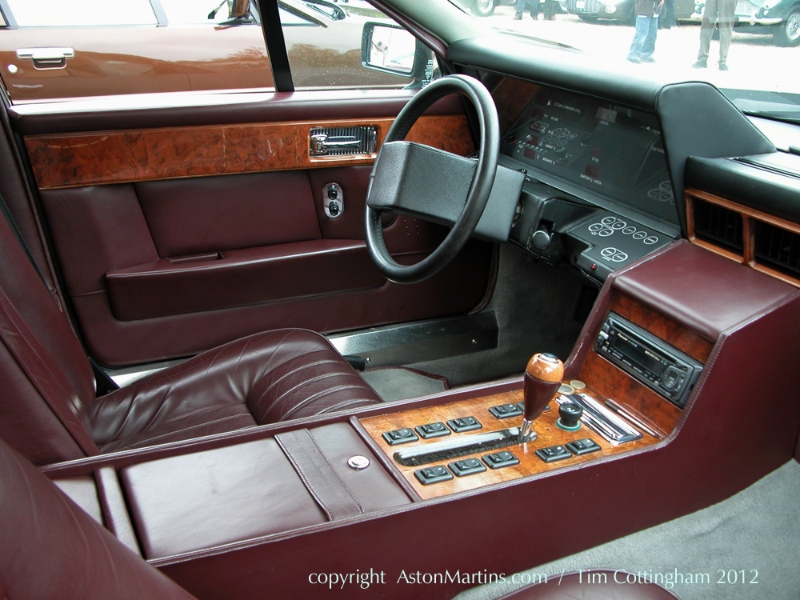
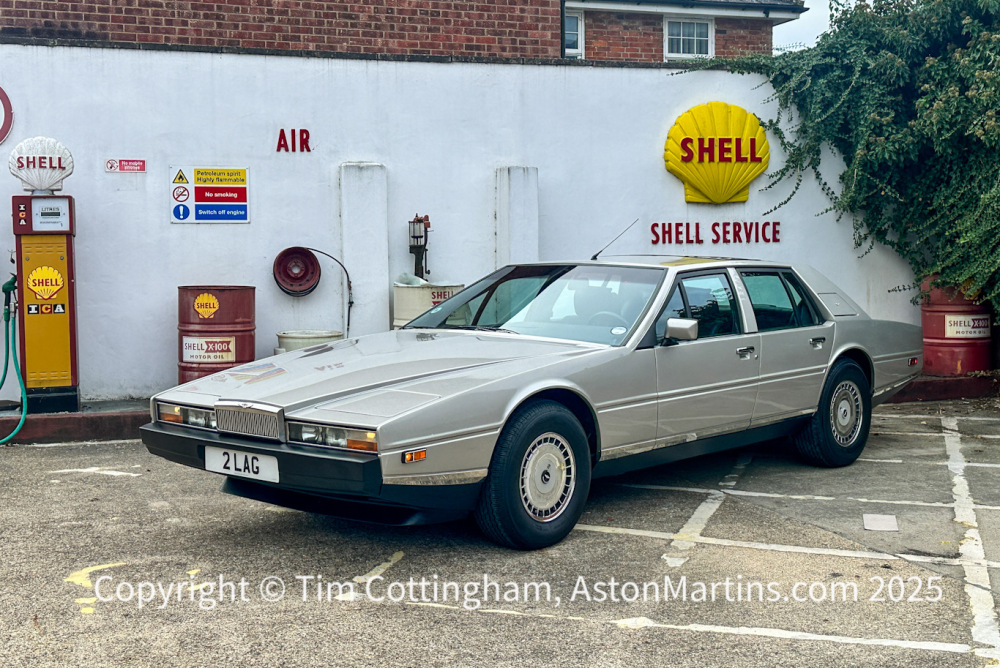
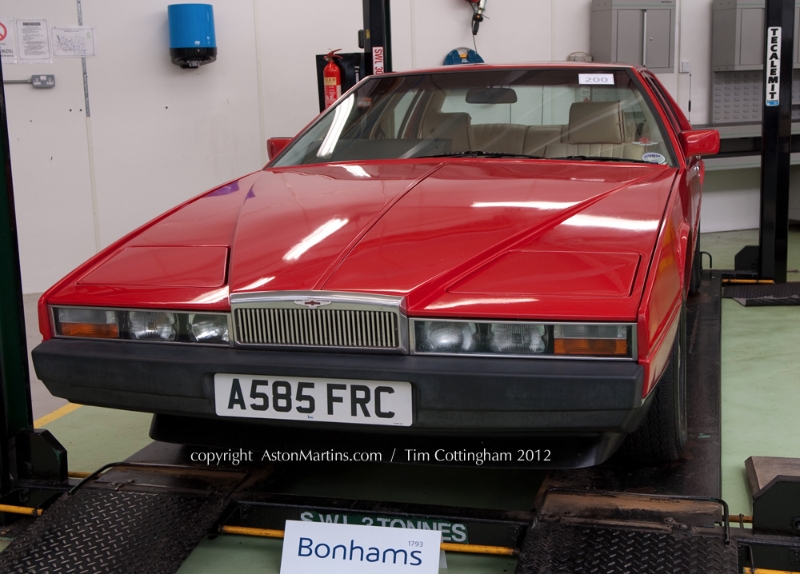
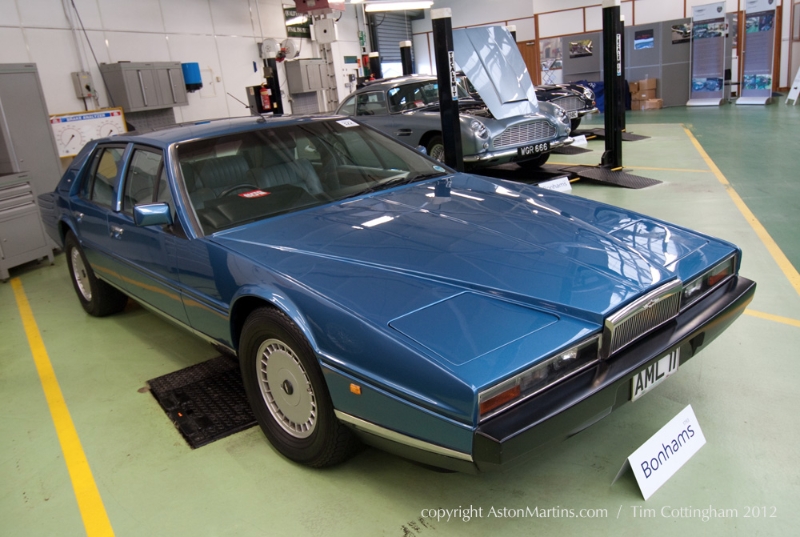
The wedge shaped design and pop-up headlights was pure 70’s. The Lagonda was from a time of cars like the Ferrari 308GT4 and Lotus Esprit, but more than any other car defined ‘edge’ design as these shots show. The design of the rear lights was carried through to the Bulldog, also the work of William Towns. Unusually they were also seen on the 1986 V8 Vangate Zagato. The above pictures show many early cars, characterised by their LED instrument displays, stainless steel wheel trims and in many cases, fixed rear window glass. At launch in 1977, the car was reckoned to sell at £25,000, (£165,000 in 2014 money) but by 1980, when production reached the promised one car per week, the price had already grown to £50,000; a very expensive car indeed for the time. Needless to say, they were well out of the reach of the man in the street but were popular with wealthy folk from the Middle East.
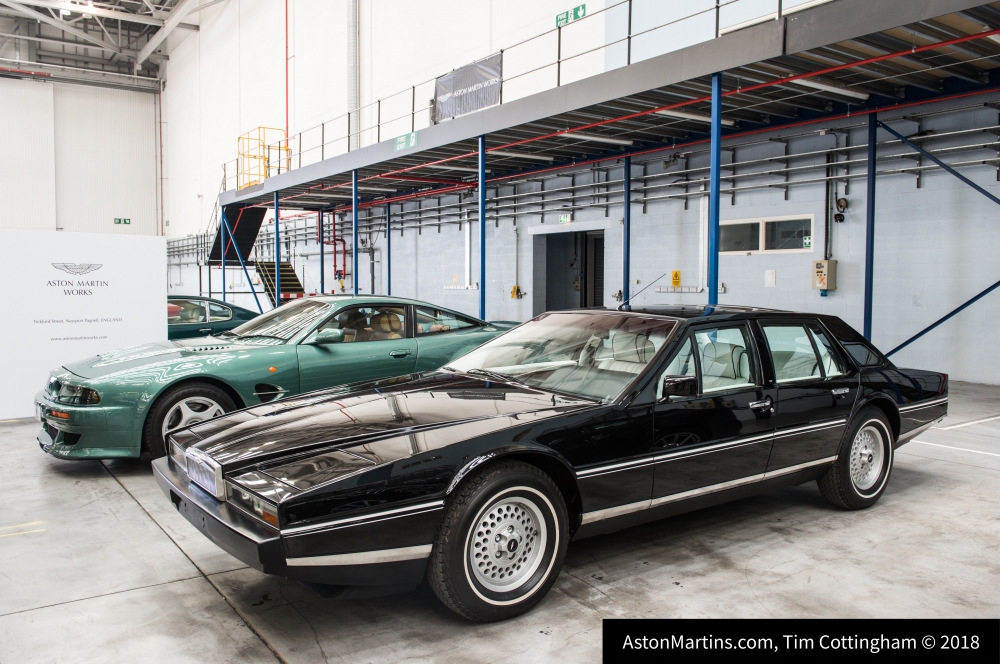
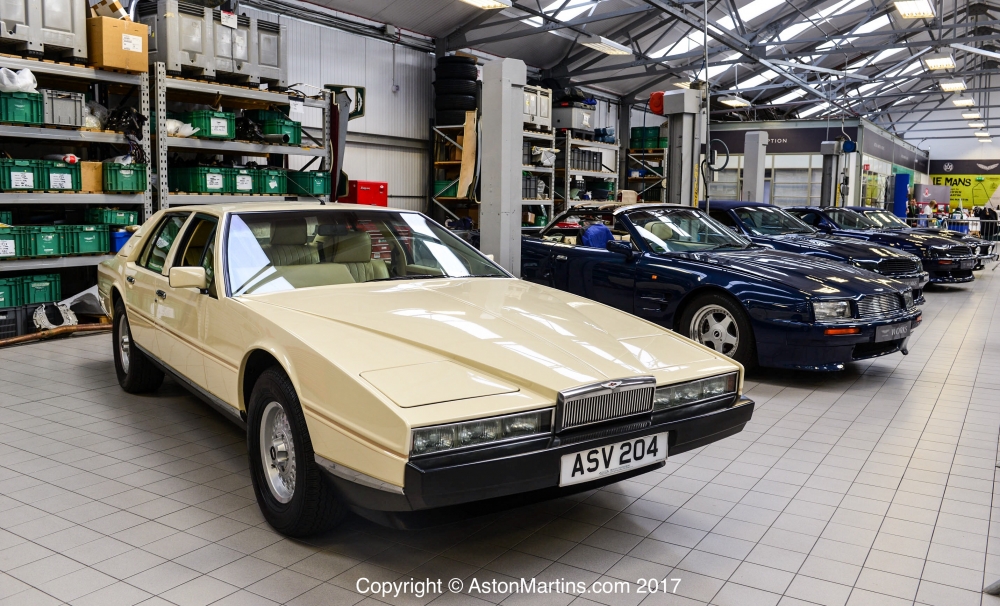
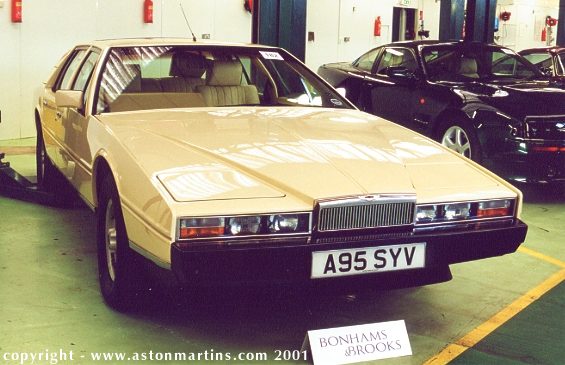
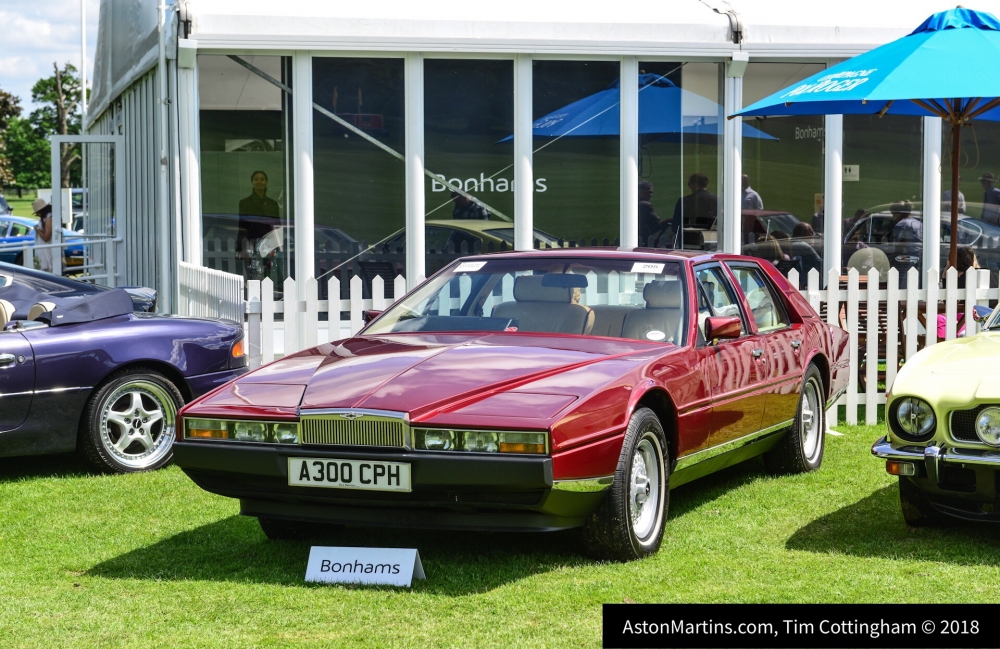
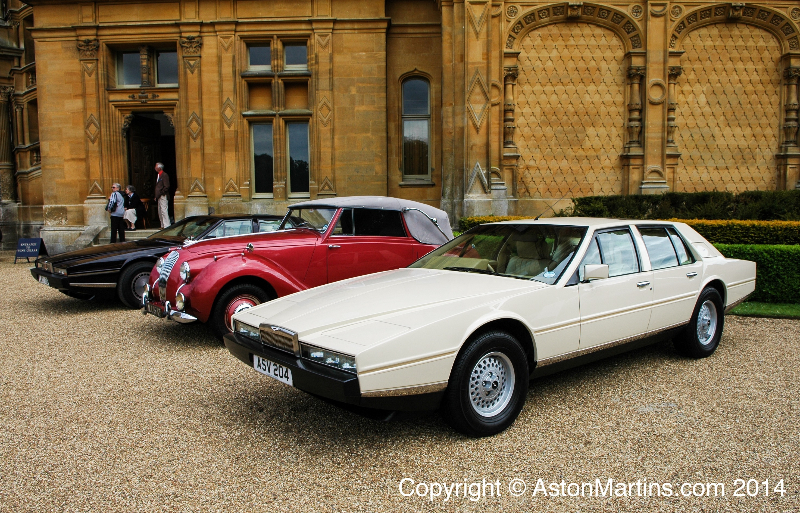
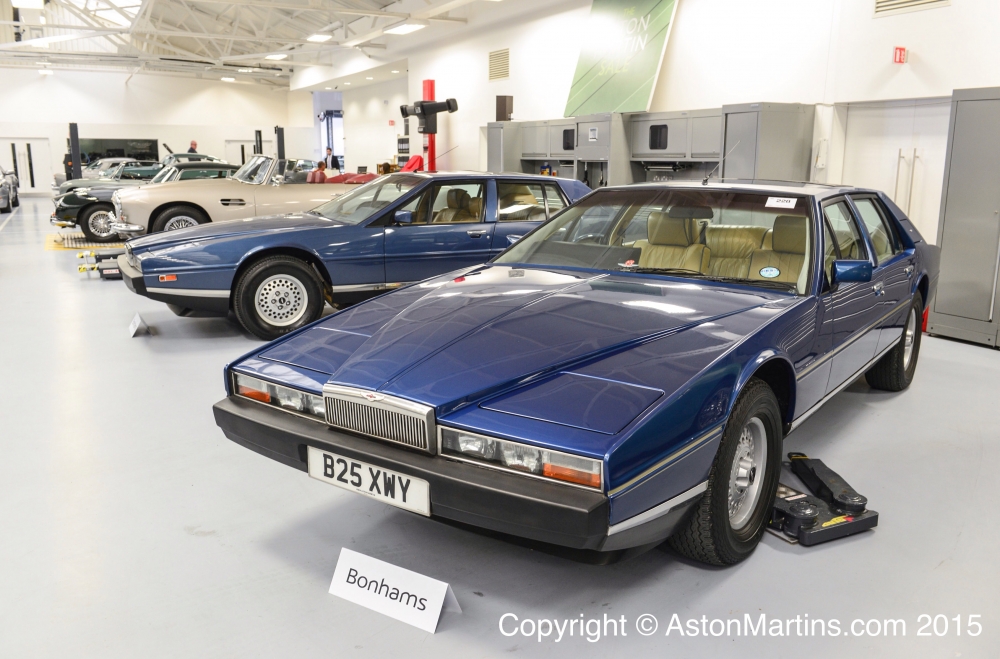
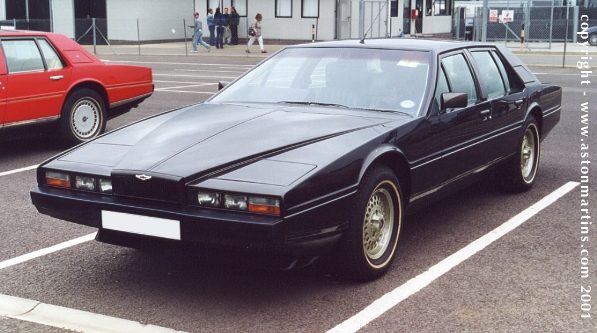
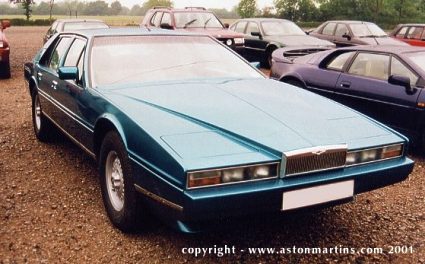
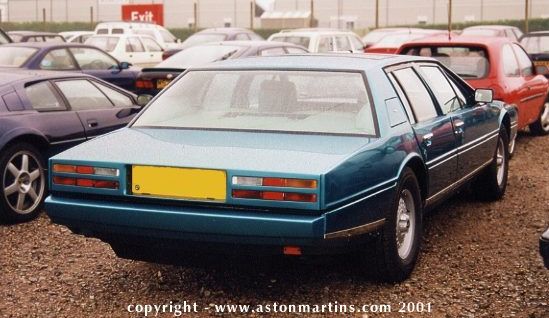
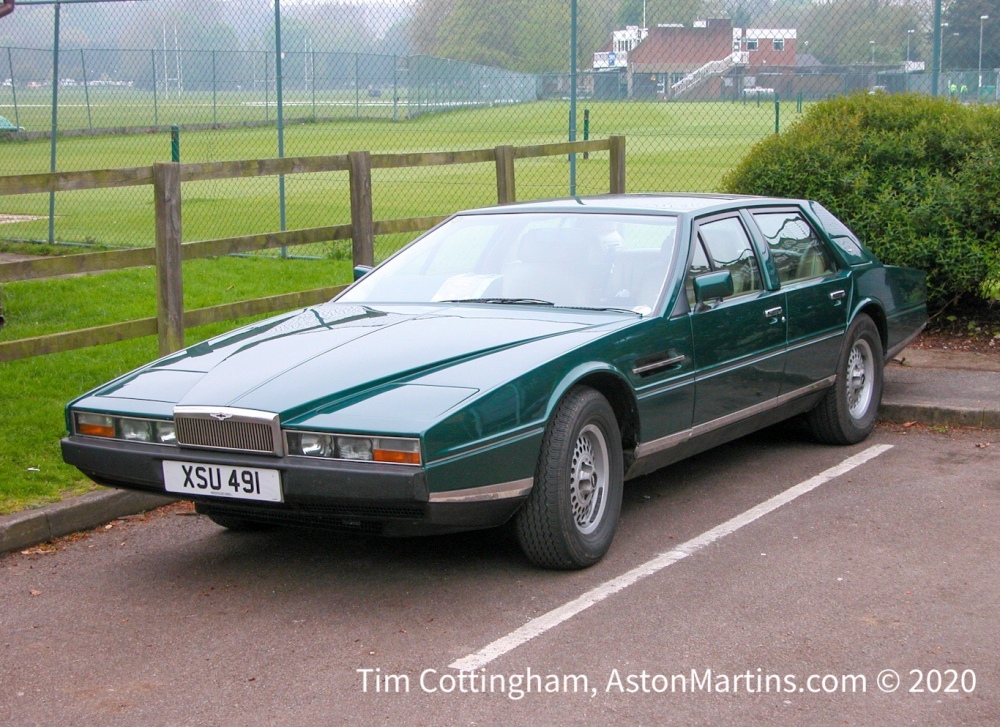
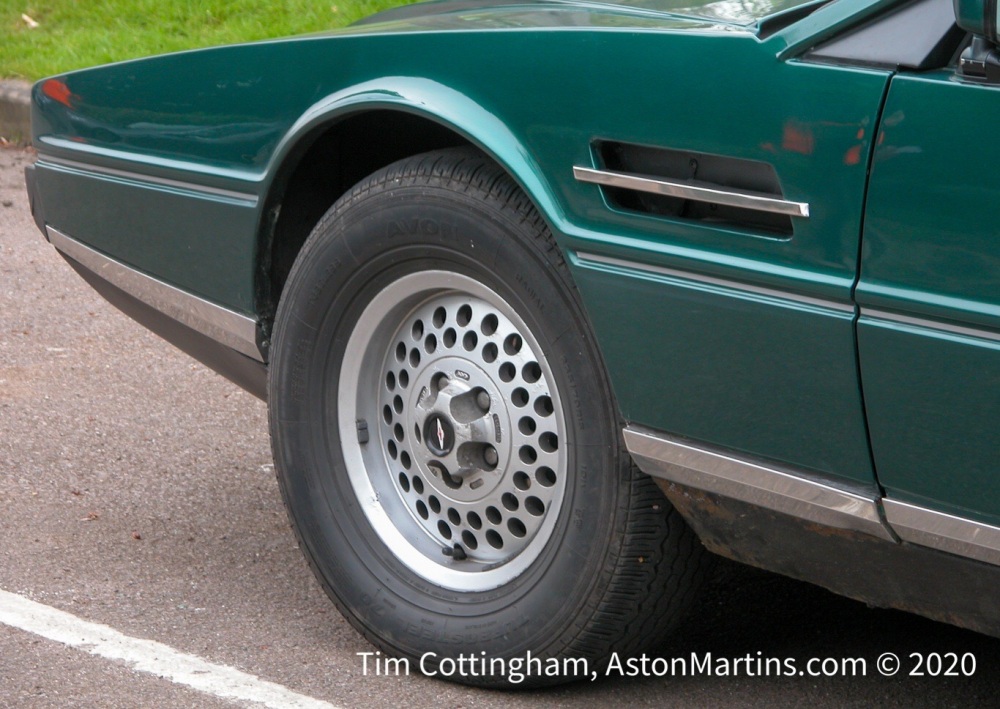
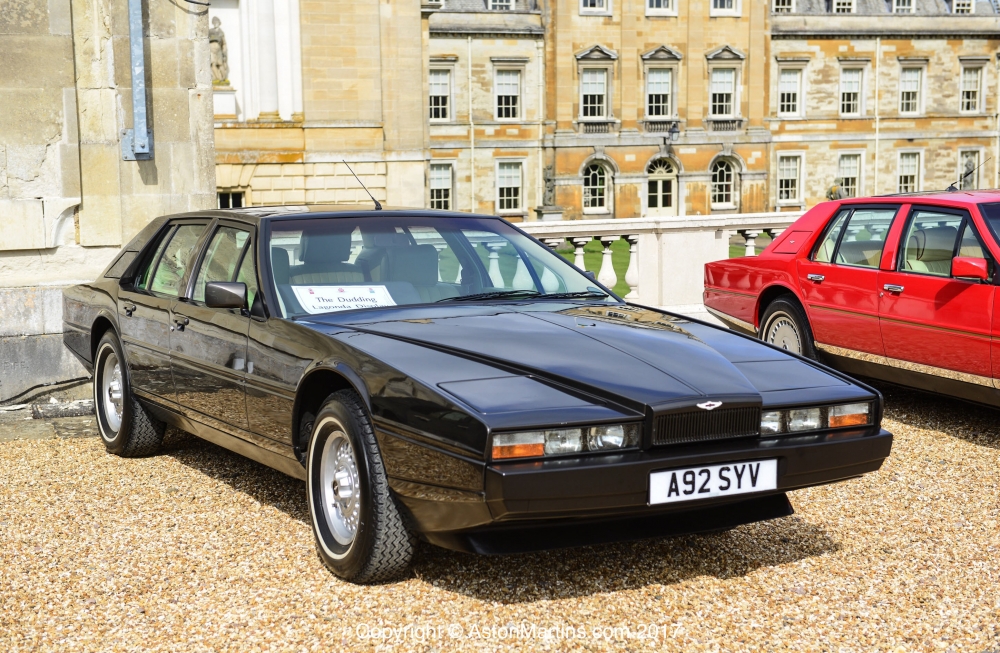
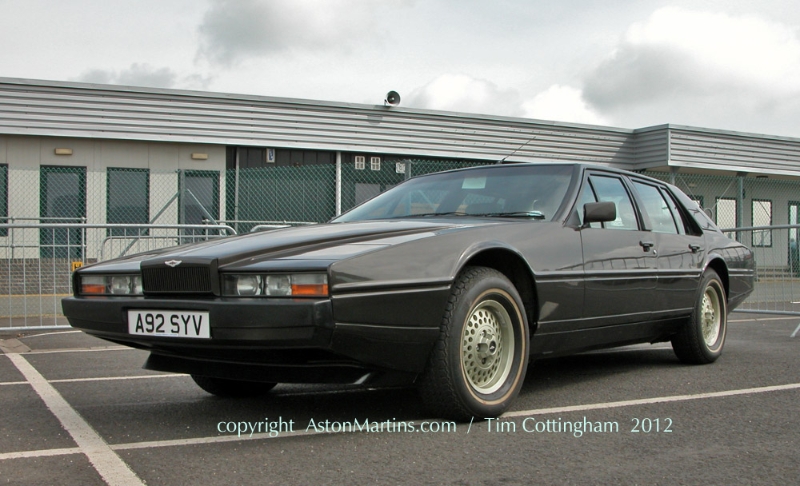
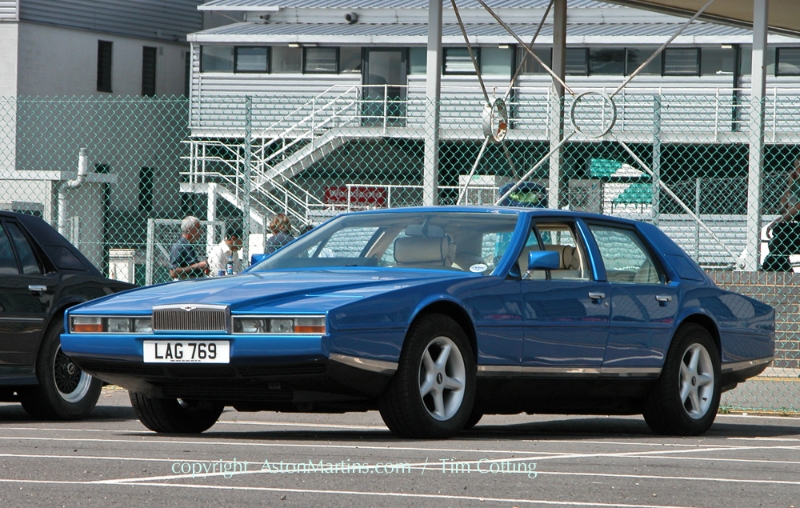
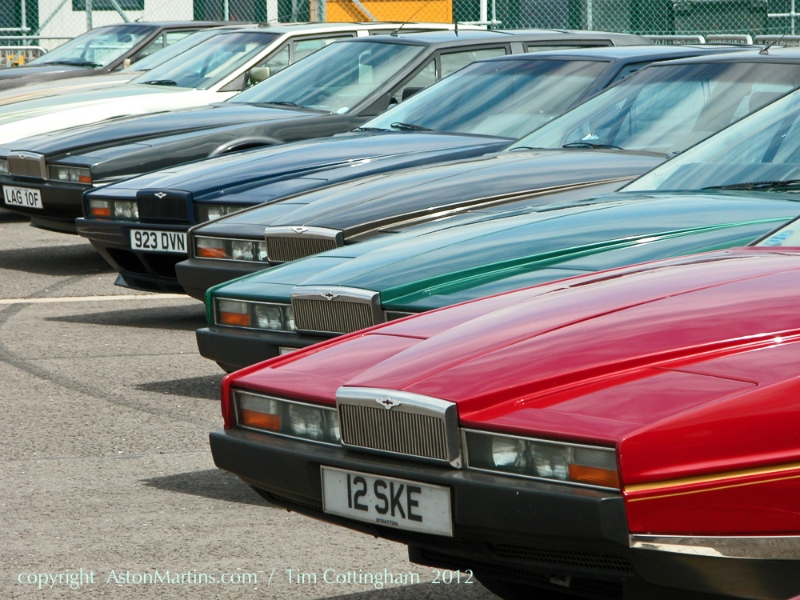
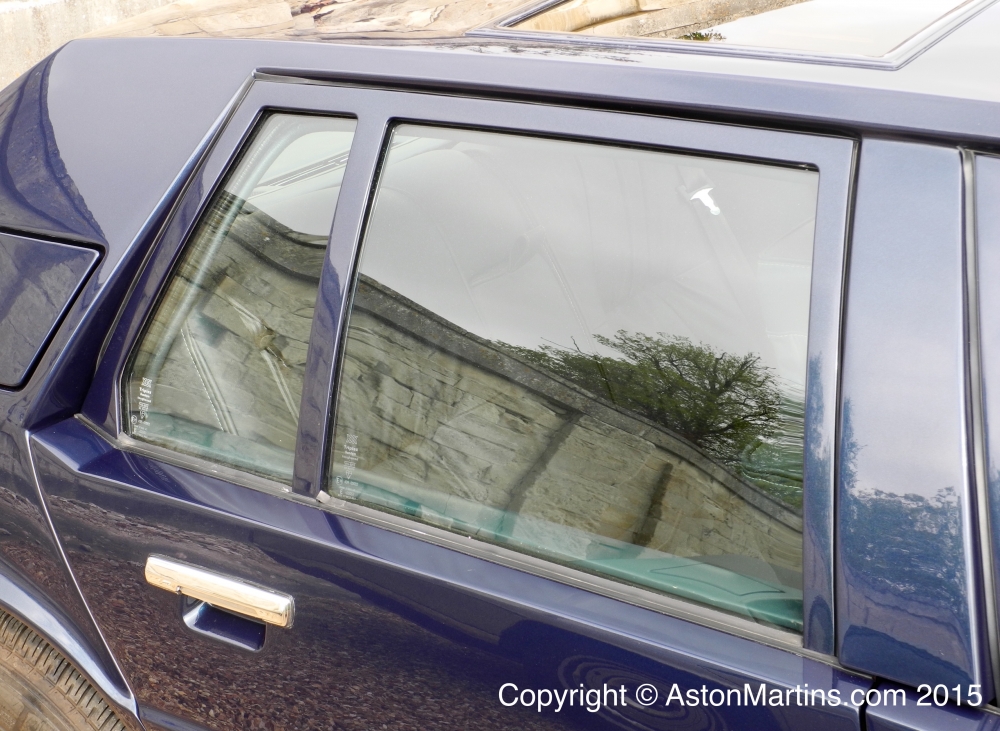
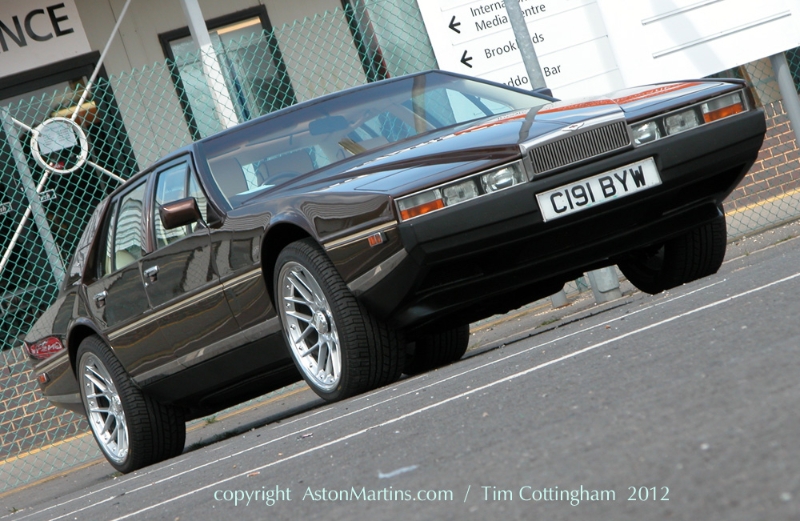
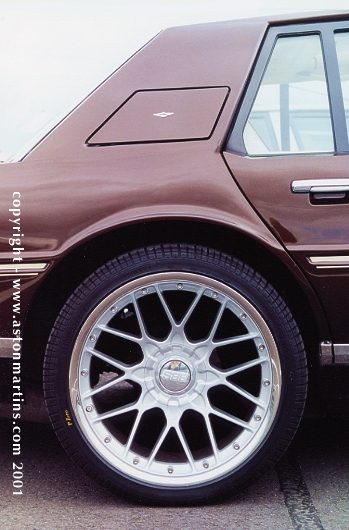
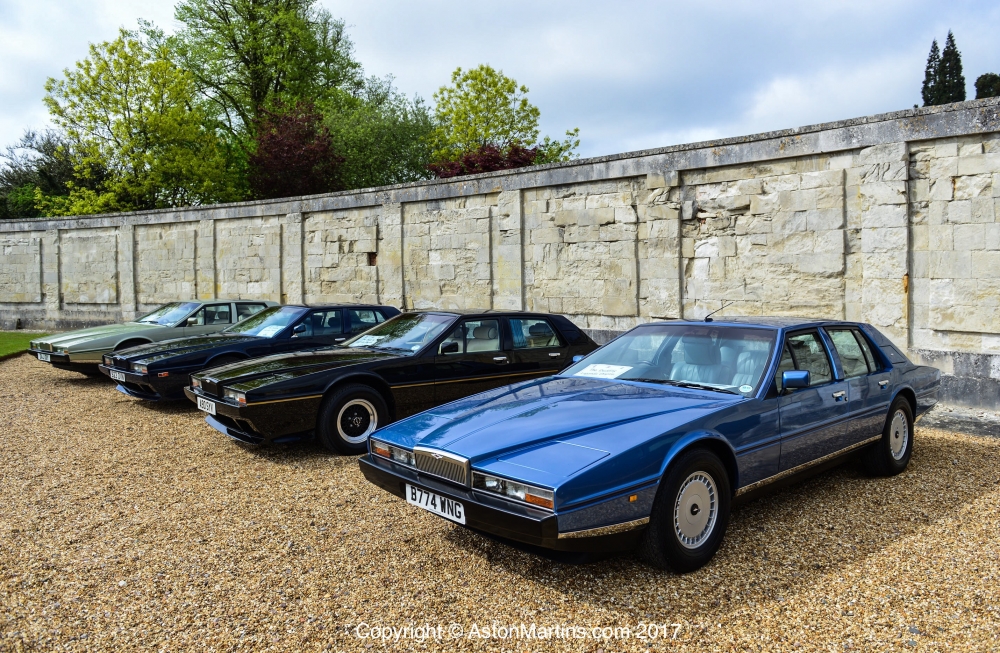
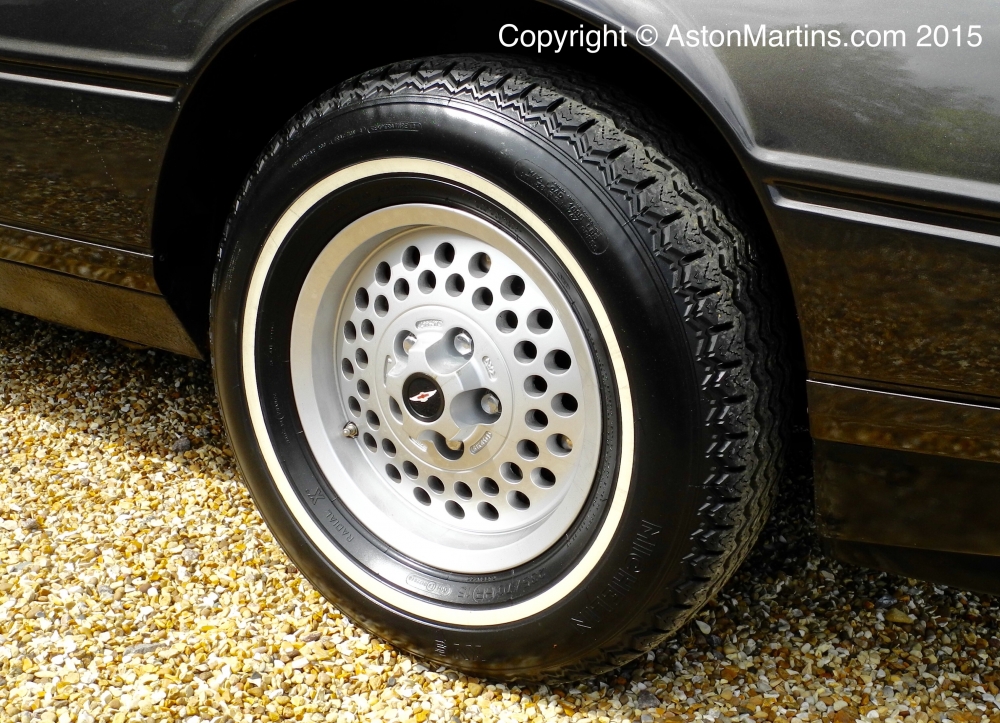
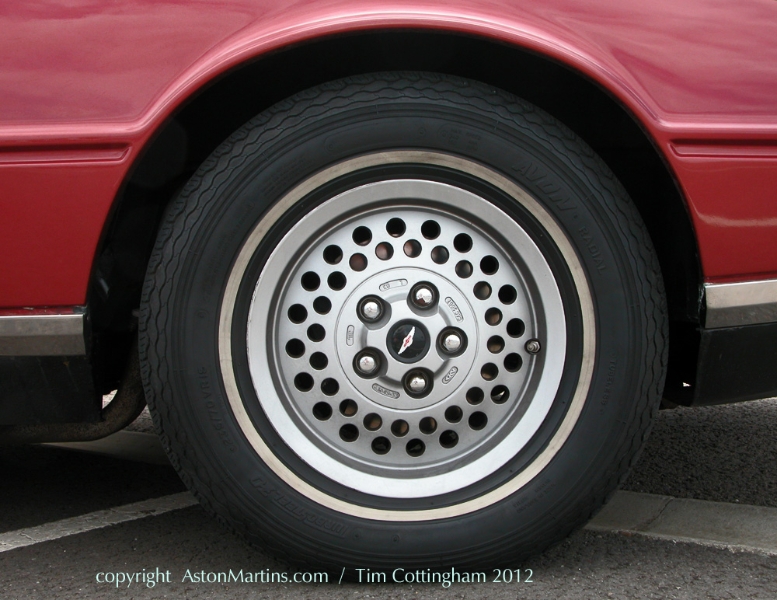
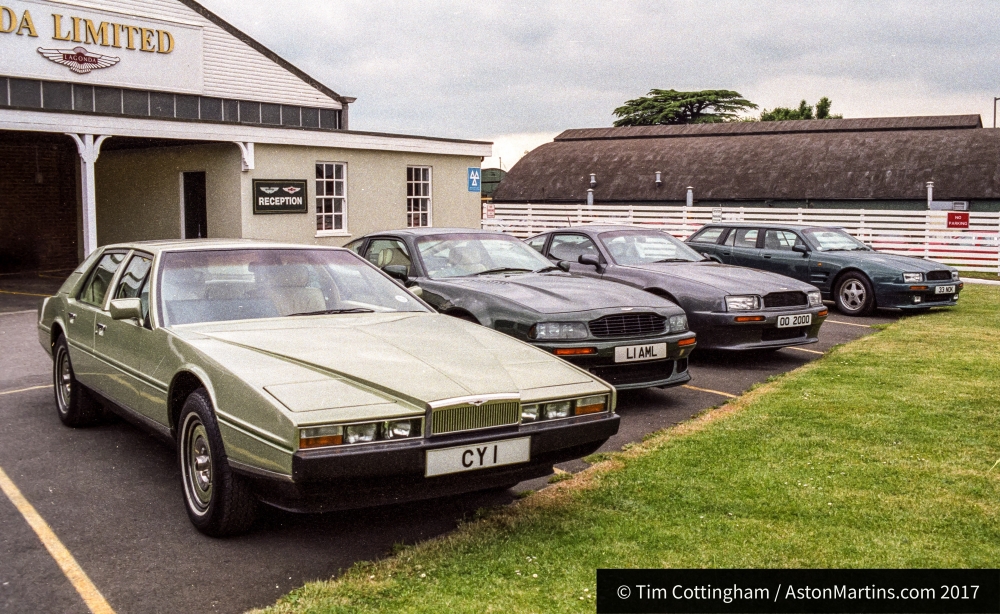
Above are some later examples from about 1983. These cars still had LED instruments but had distinctive pepperpot wheels (as used on the Jaguar XJ), deeper, US spec 5mph ‘safety’ bumpers, air dam and movable rear door glass. These cars are easily spotted as they have three quarter glass in the rear doors. Some cars here have been a little altered by their owners with additions such as body coloured bumpers or after market wheels.
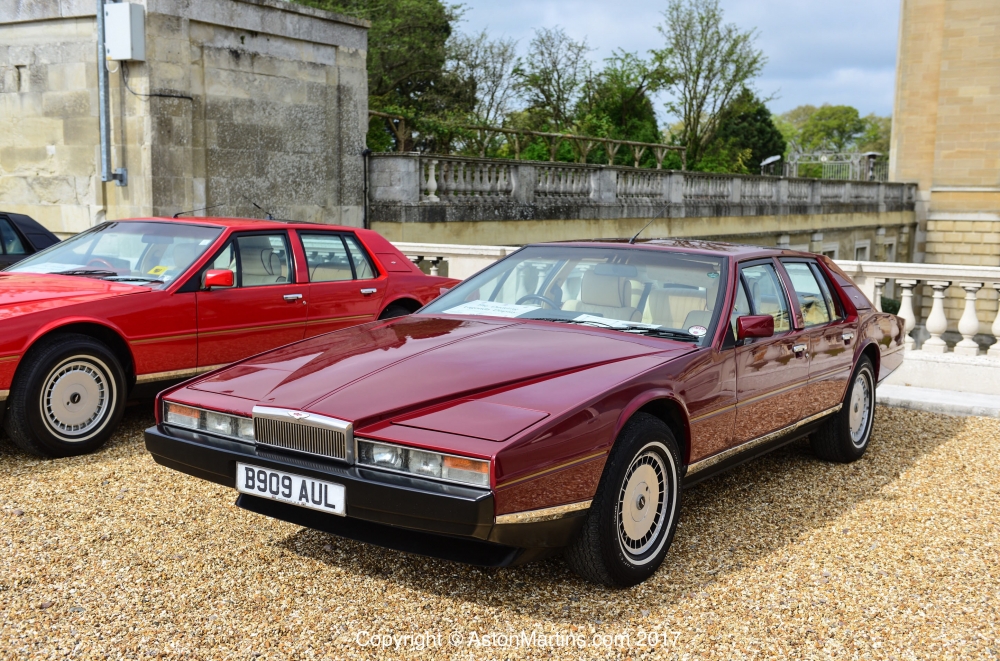
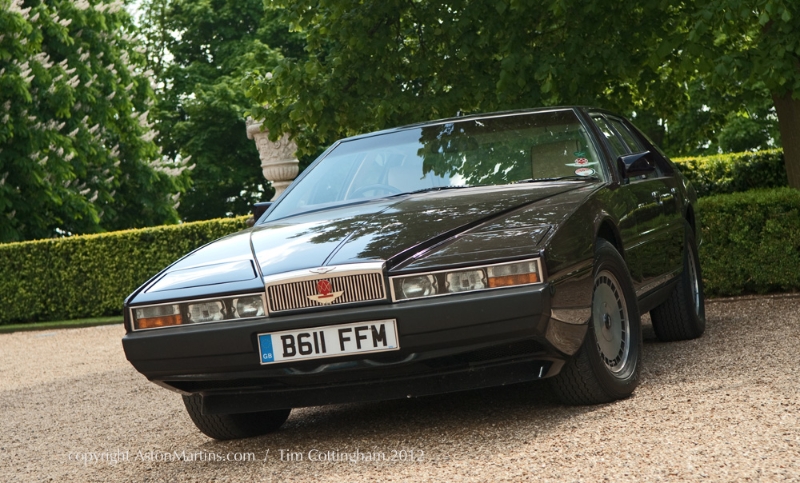
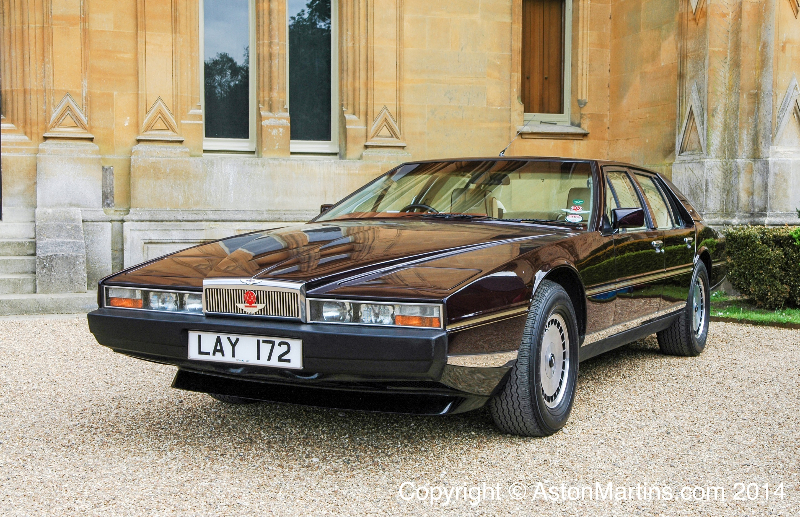
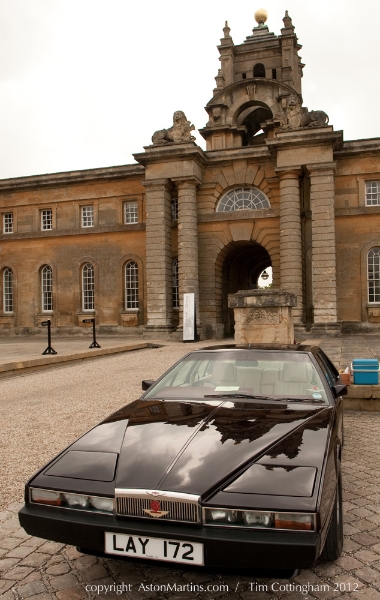
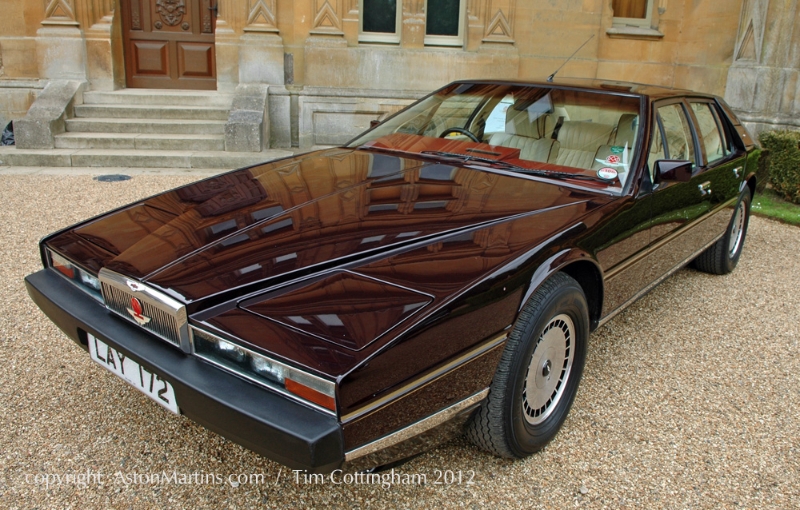
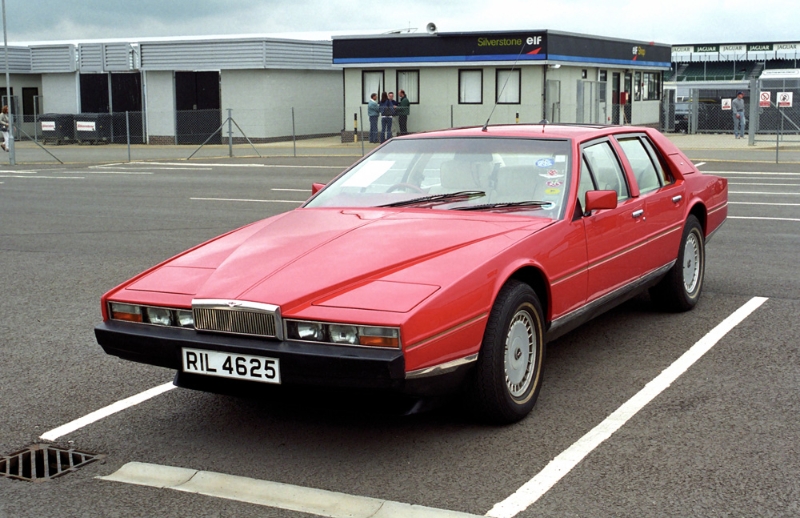
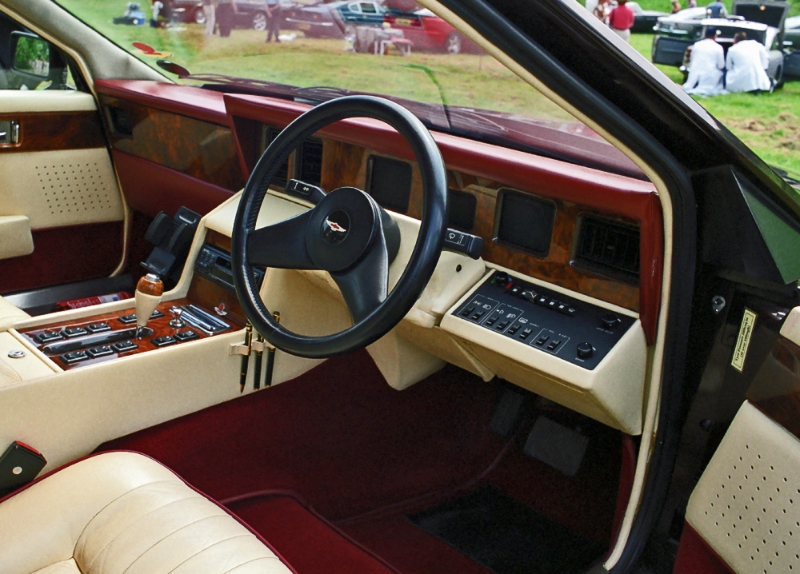
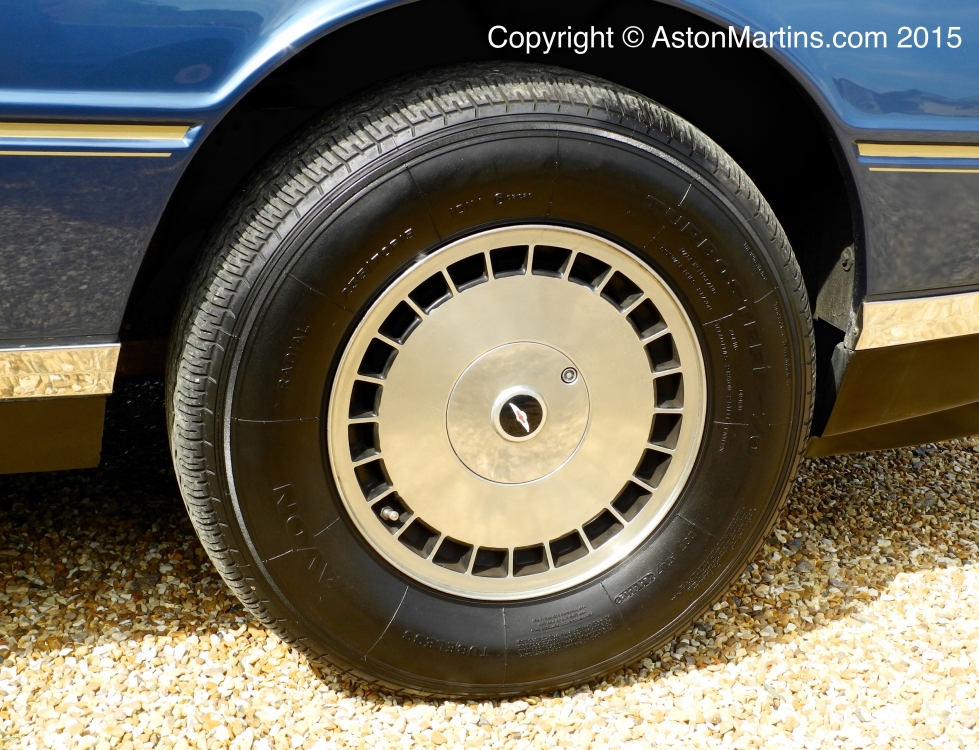
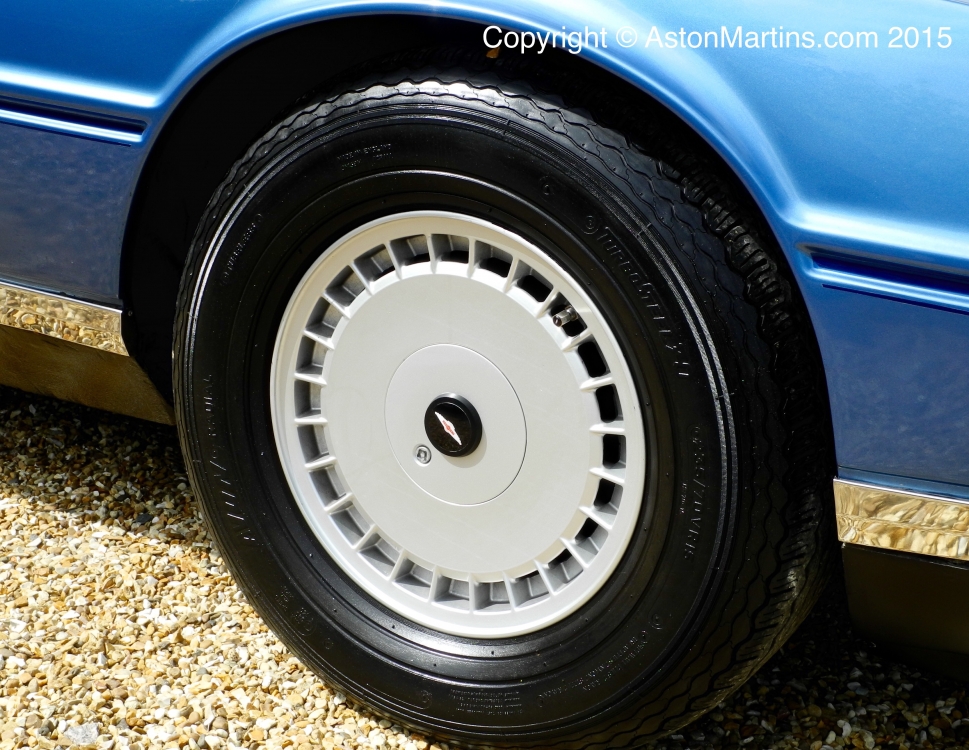
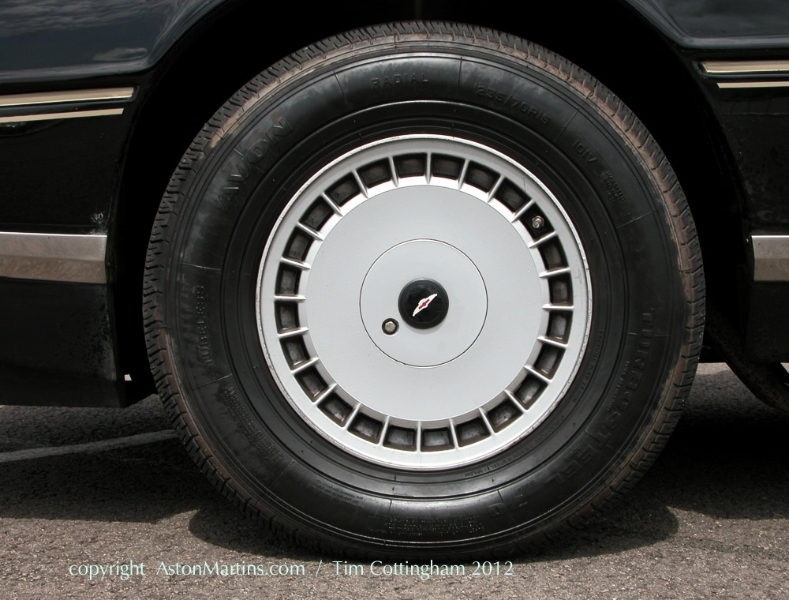
In 1984, the LED’s were replaced by stylish triple Cathode Ray Tube instruments designed by Javelina and supplied by Clinton Electronics, which had designed them for the F-15 Eagle tactical fighter program. The computer was also upgraded and a synthesised voice alerted the driver to problems with the car such as ‘low fuel’, ‘boot open’ and ‘battery charge’. At the same time, the style of wheel changed to a disc type alloy wheel by BBS.
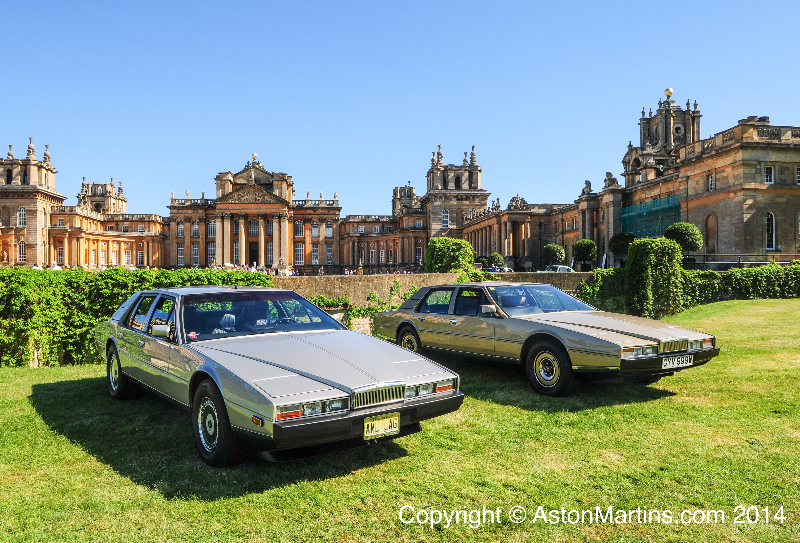
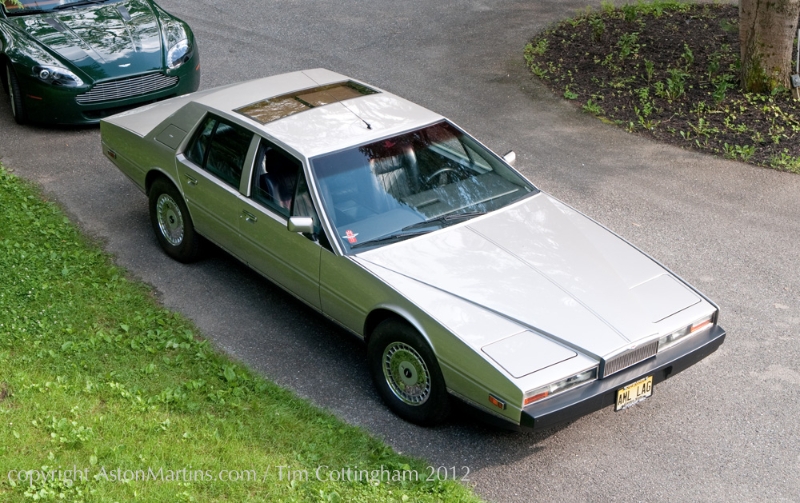
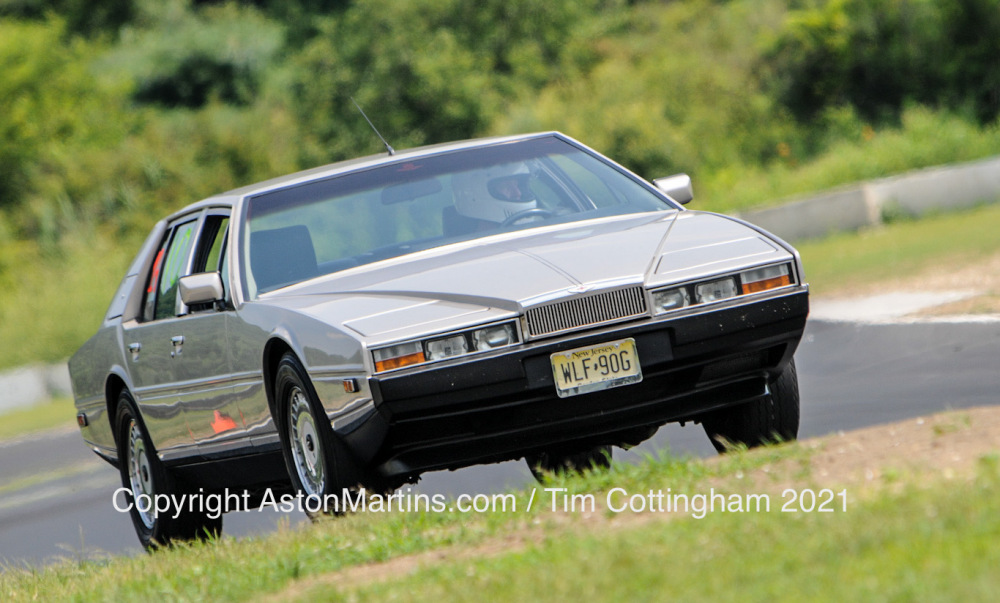
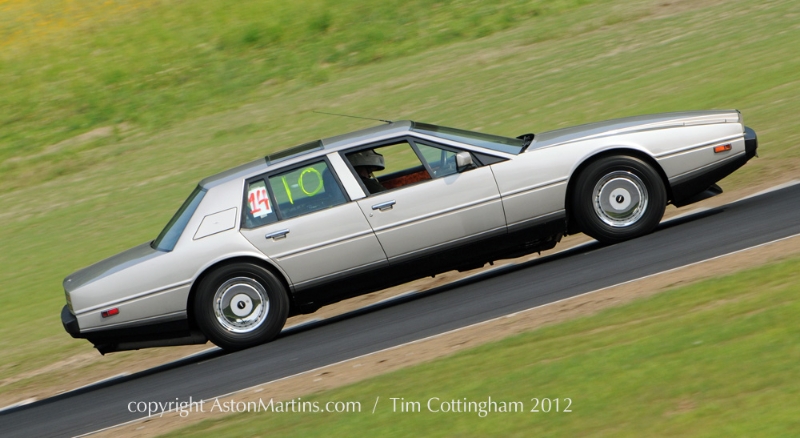
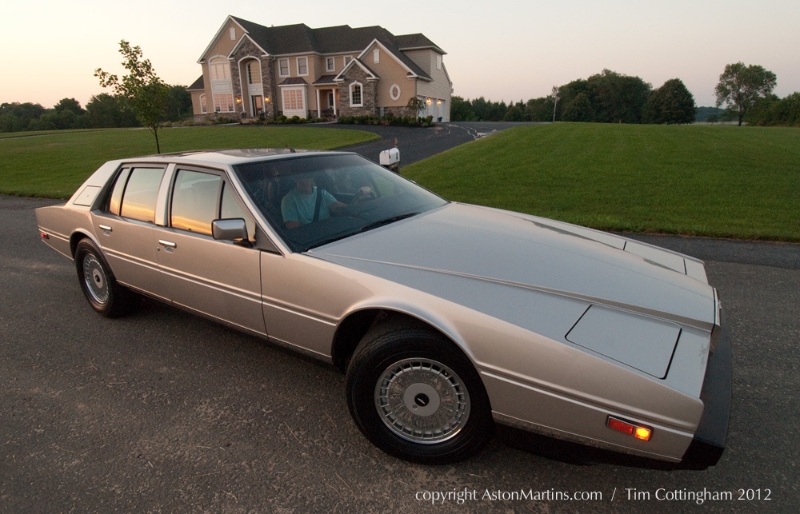
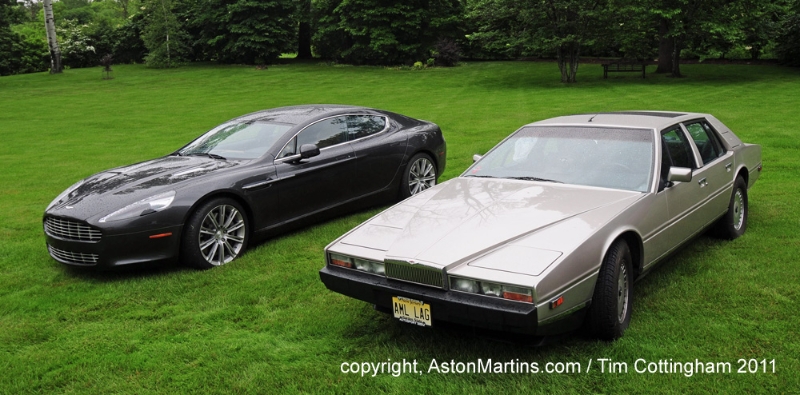
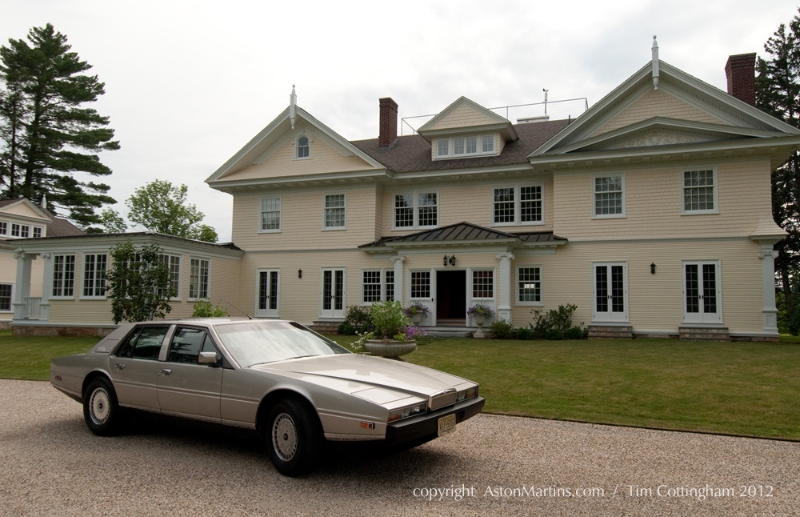
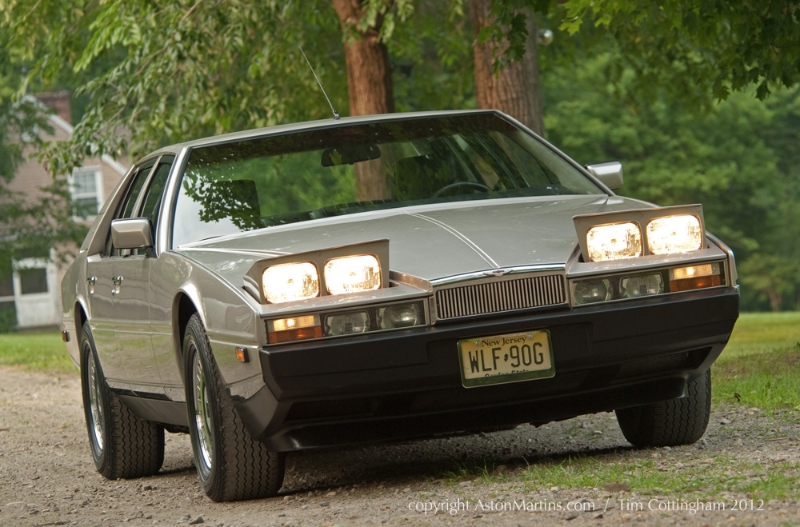
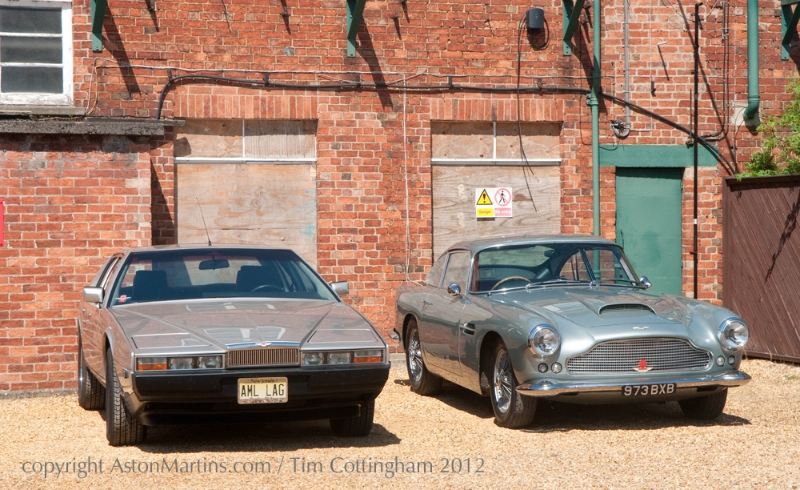
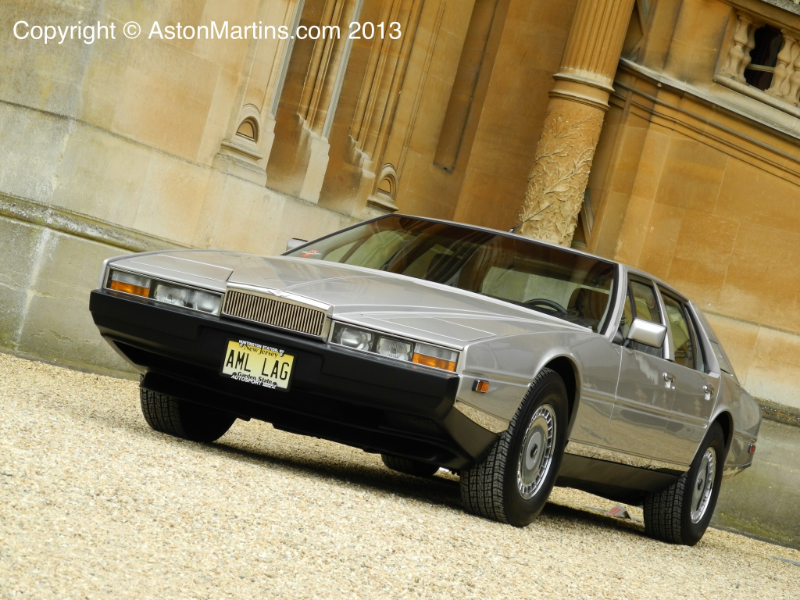
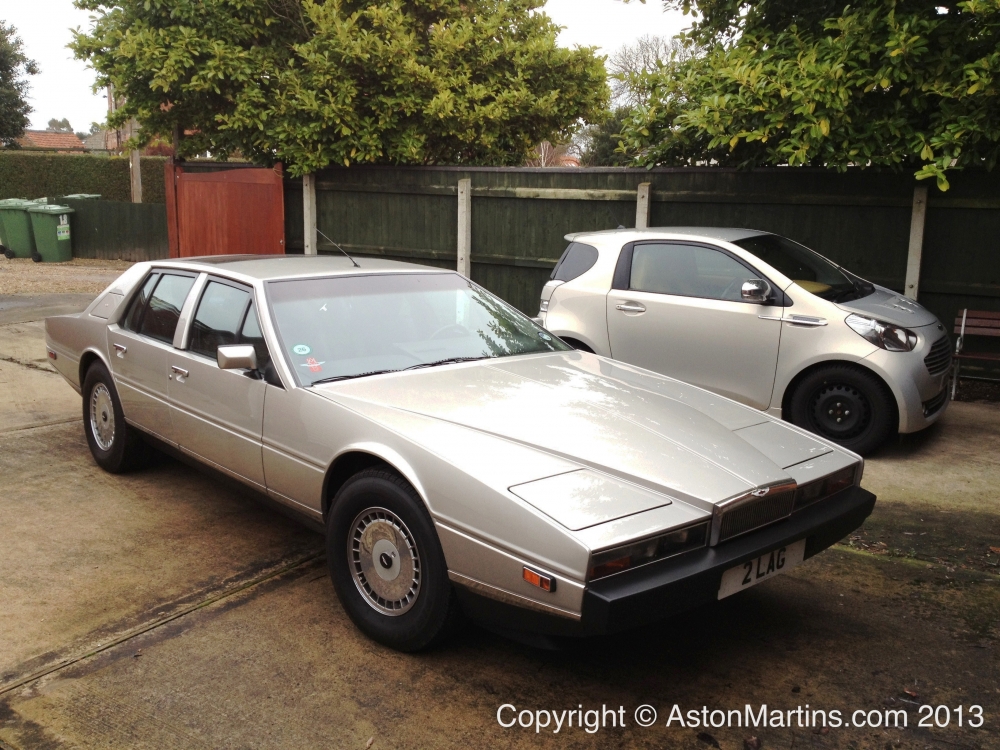
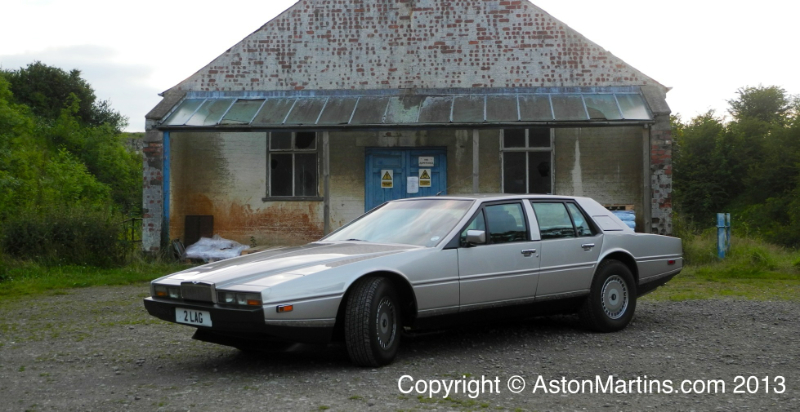
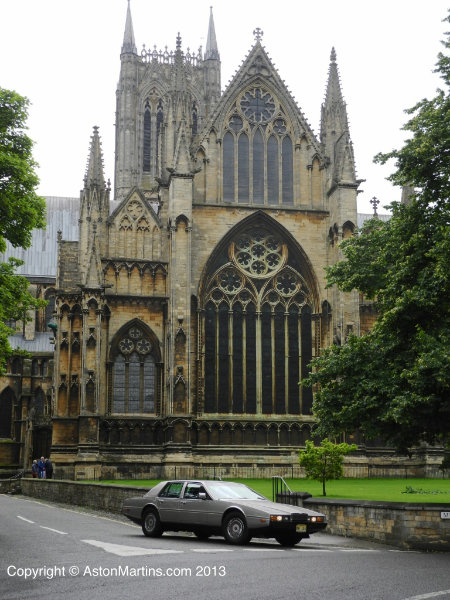
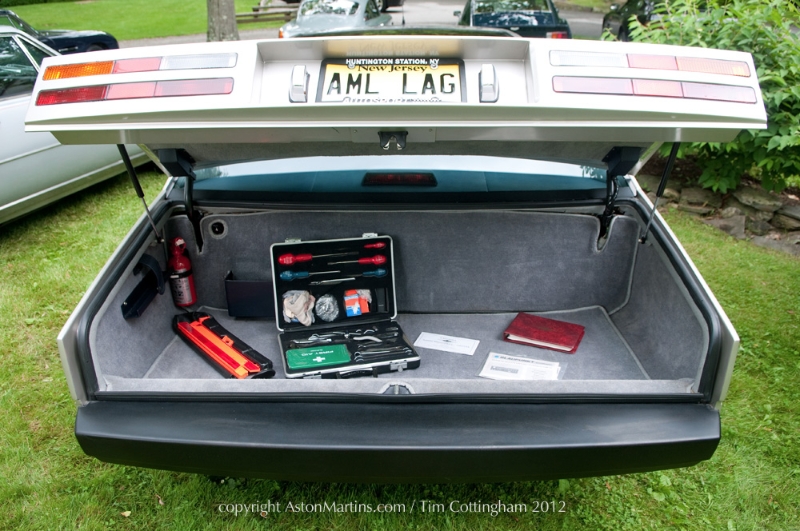
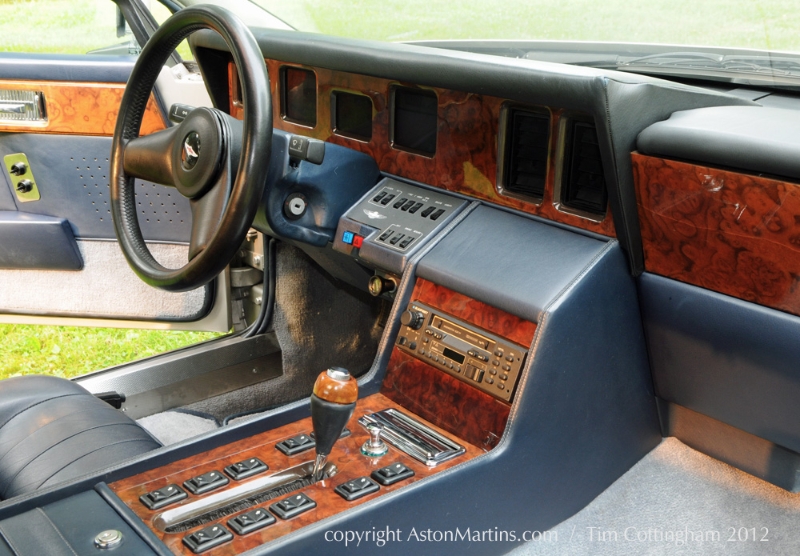
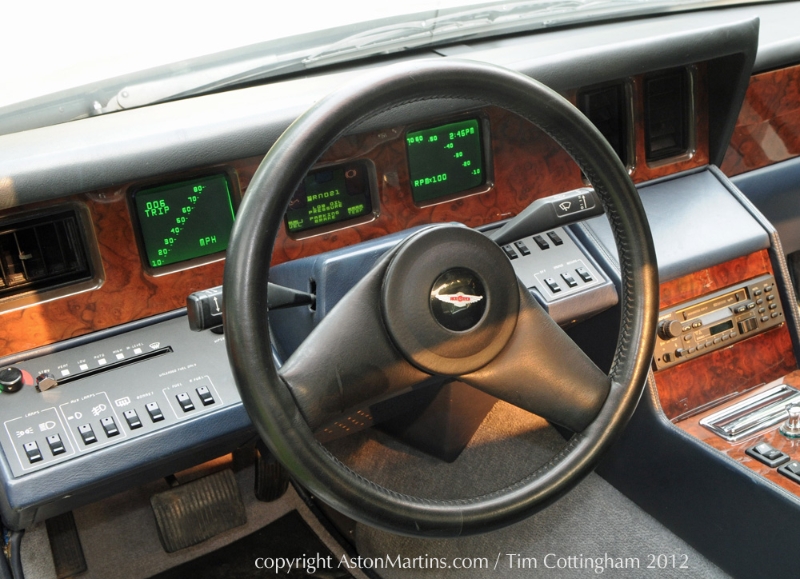
The Lagonda was the saviour of AML during the first few years of the 1980’s. Strong demand, especially from the oil rich Middle East meant that AML even had to produce a brochure in Arabic which also starts at the back so to speak. At a board meeting shortly after Victor Gauntlett joined the company, some directors considered ditching the 2 door V8 altogether and concentrate on the Lagonda alone. Gauntlett was successful in securing the future of the AMV8; a decision which, as time would tell, also saved AML.
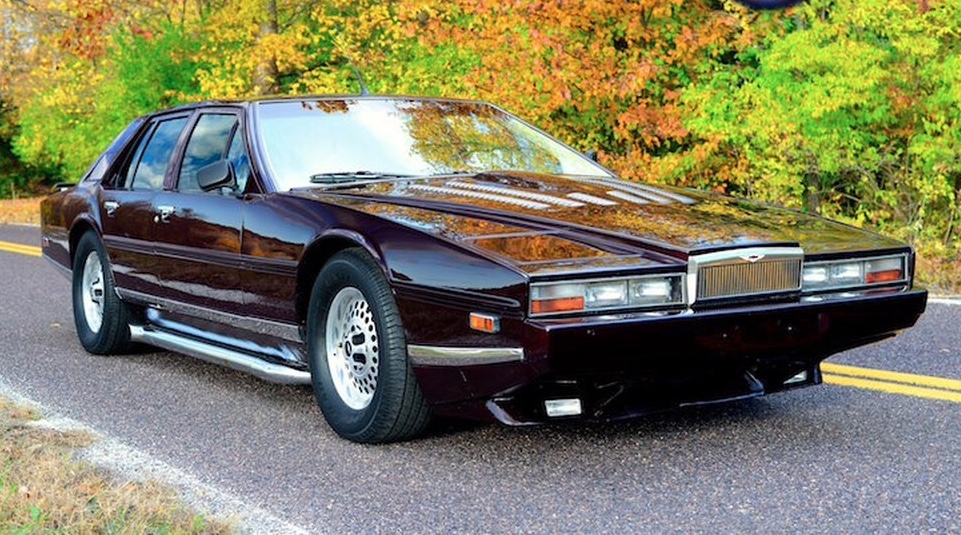
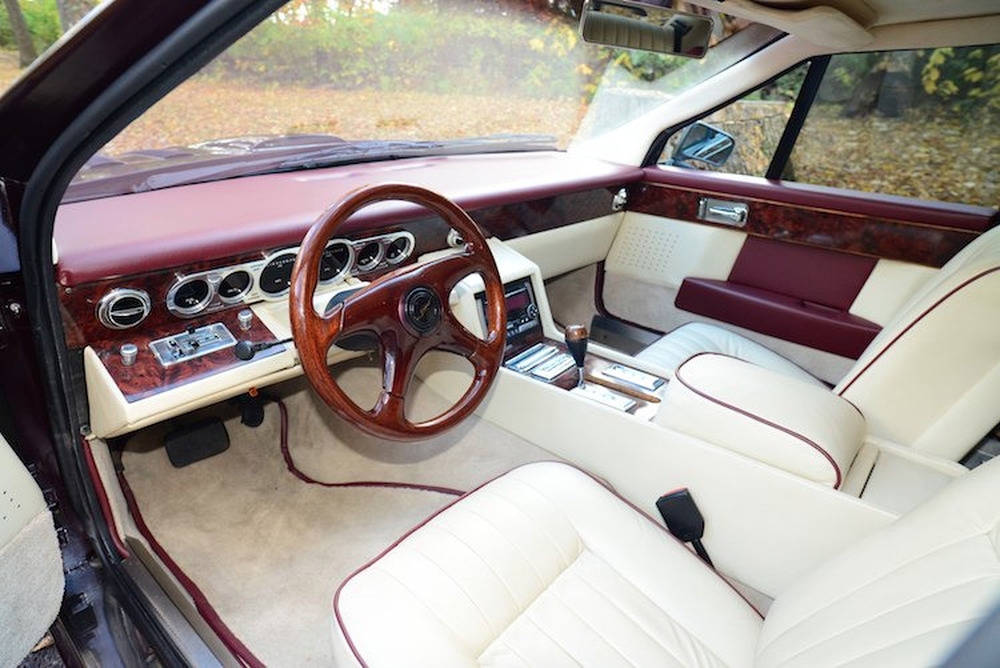
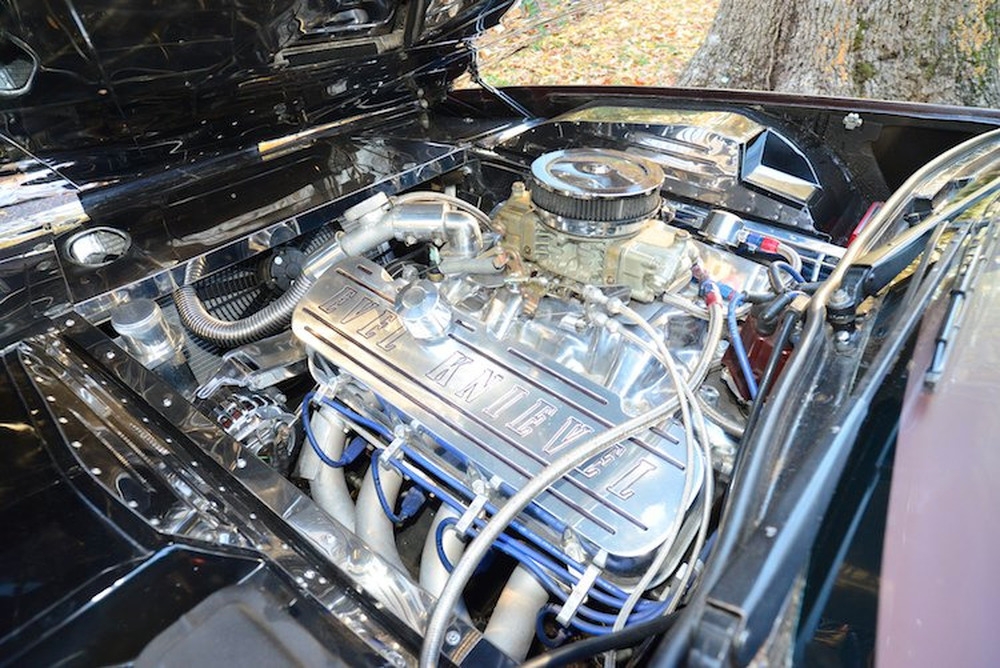
This example of the Lagonda (above) was the property of the motorcycle daredevil, the legendary Evel Knievel. He owned the car from about 1999 until his death in 2007. During that time, he put a big block 502 cu in Chevy engine, beefed up the transmission, added a conventional dash and new leather interior, among other things.
So, is the Lagonda an Aston Martin? Certainly when first shown in 1976, it was described as the Aston Martin Lagonda in press releases and brochures. Indeed, many series 2 cars have a Lagonda bonnet badge with the names ‘Aston’ and ‘Martin’ featured also. But sometime during the 1980’s the ‘Aston Martin’ description was quietly dropped.
For too many years, the Lagonda has been under-appreciated and whist examples have been very inexpensive to purchase they have not been so inexpensive to repair). Nowadays, there has been a significant growth in interest and the wedge Lagonda is considered the height of retro-futurist coolness.
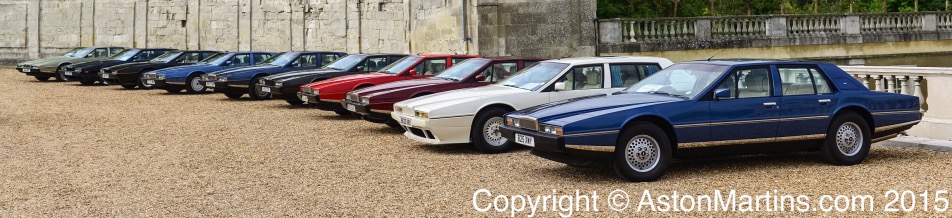
Aston Martin Lagondas from the Dudding collection at the 2015 AMOC Spring Concours
For more information and advice about Lagonda’s – please visit LagondaNet