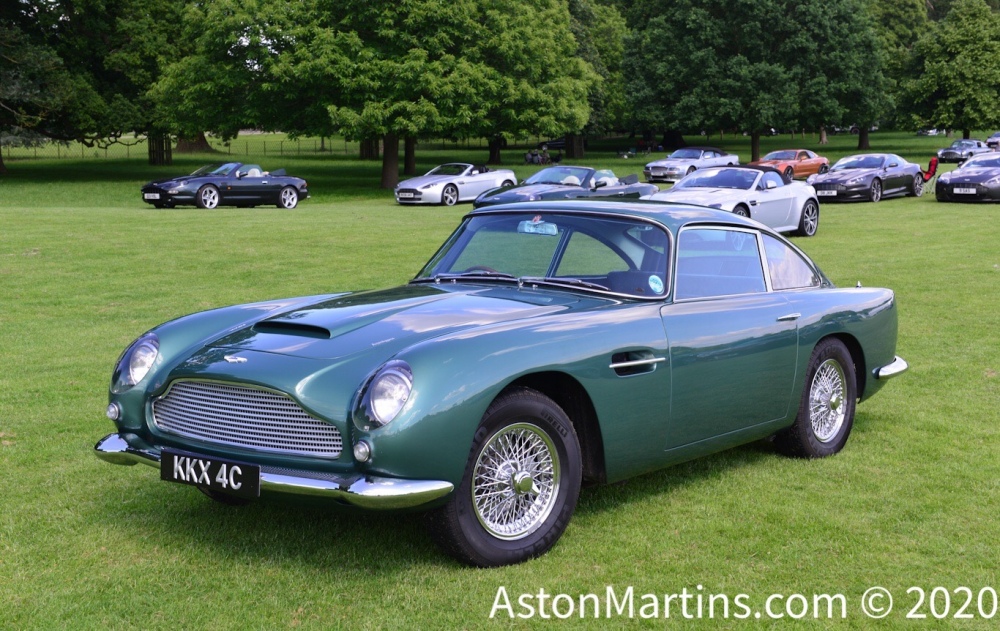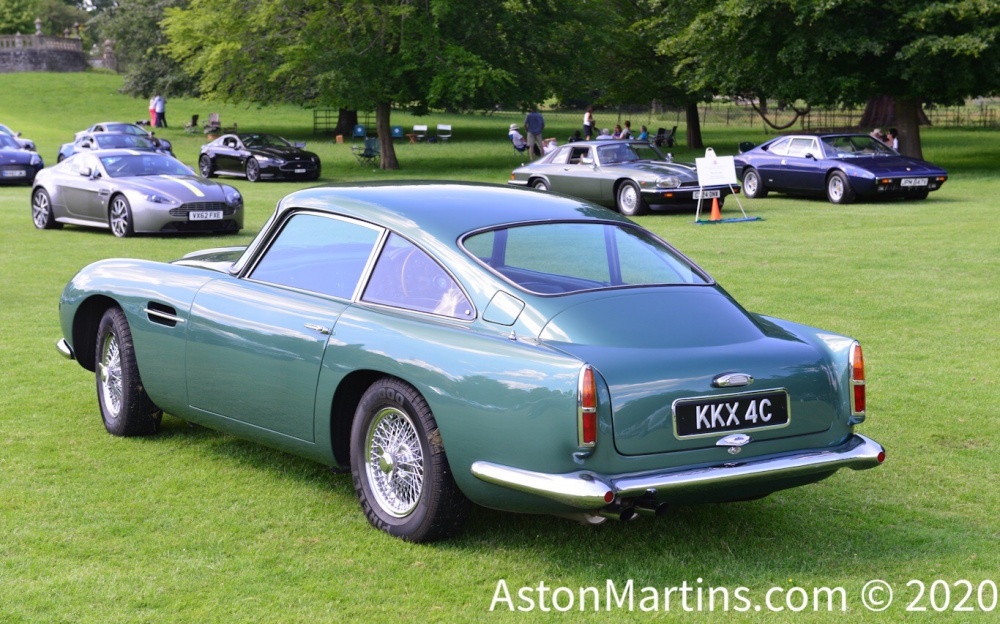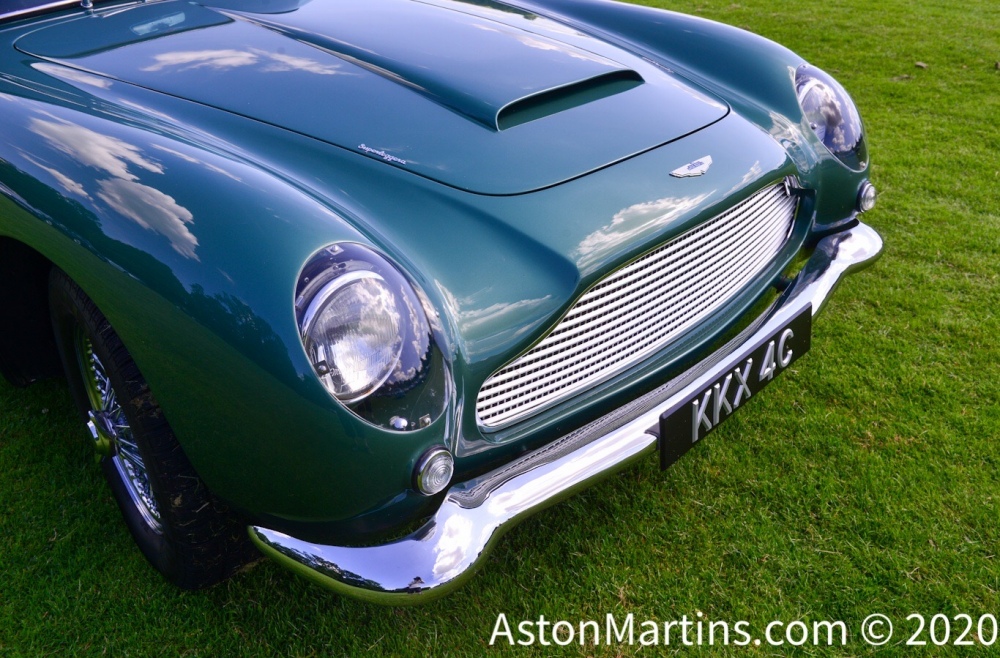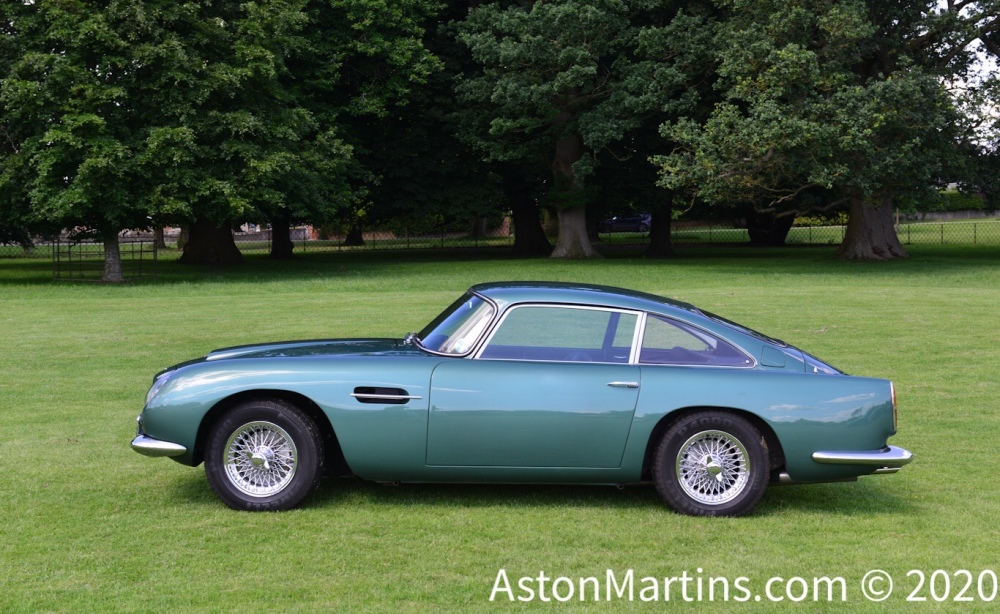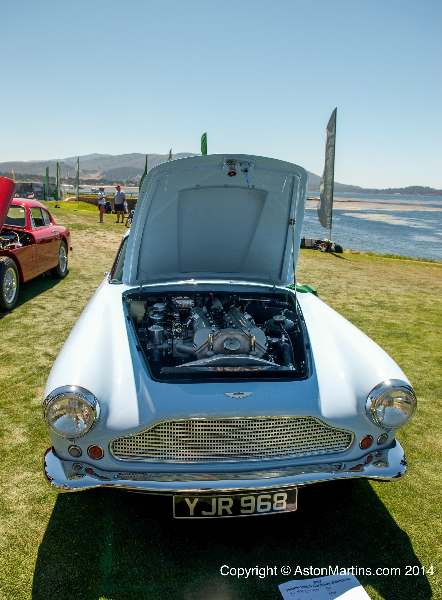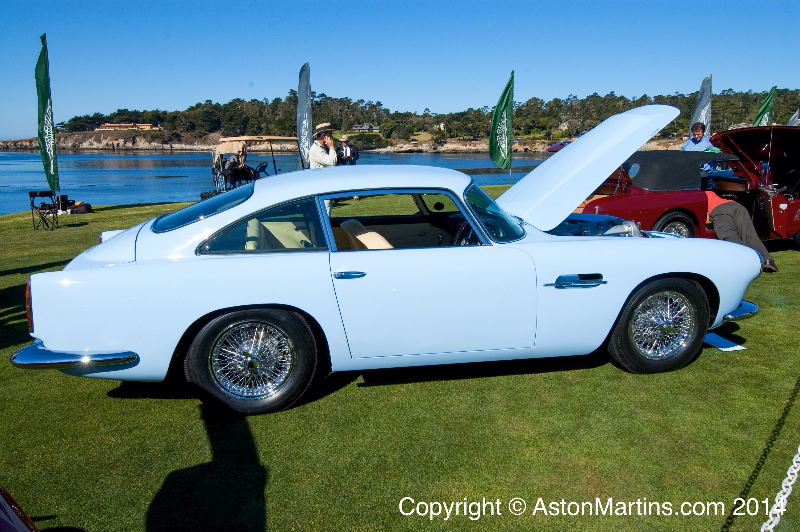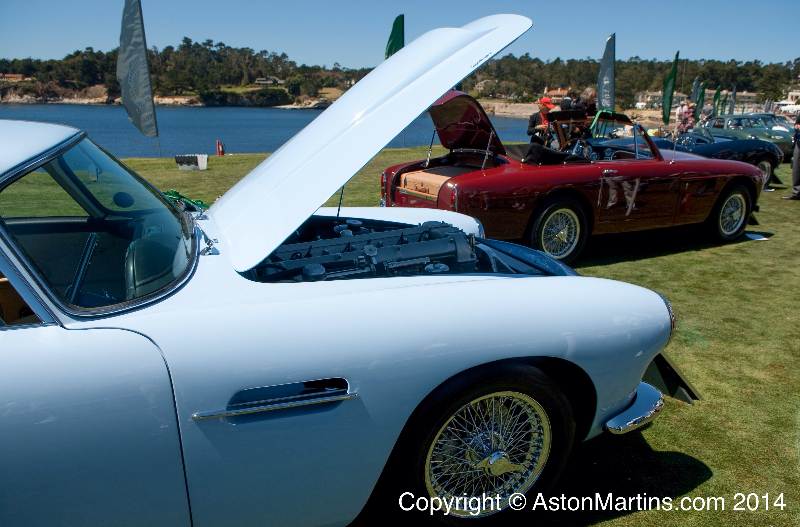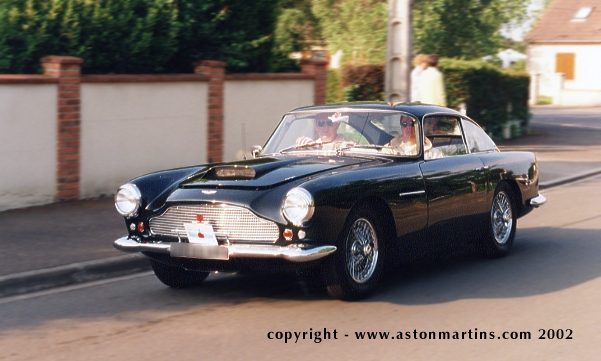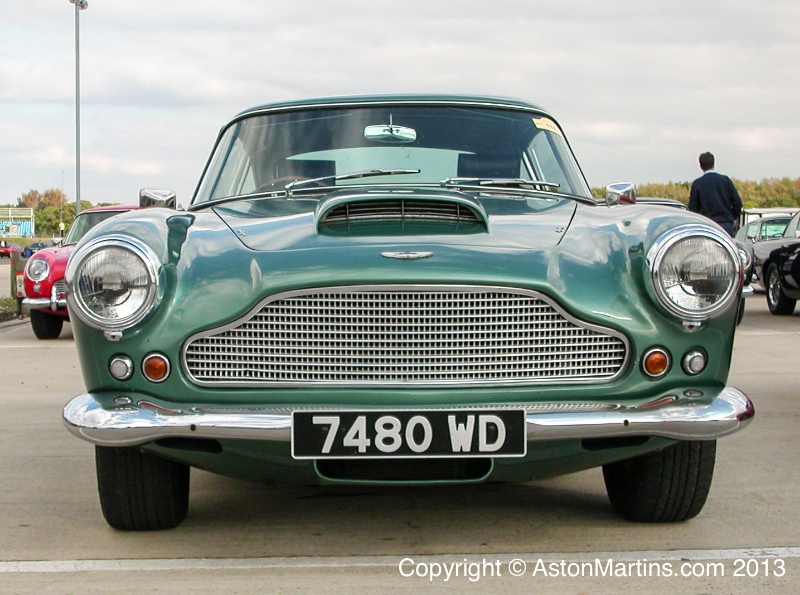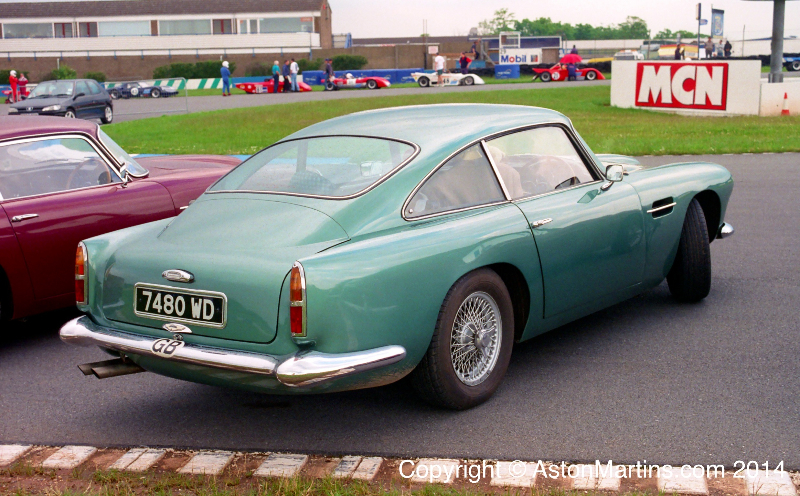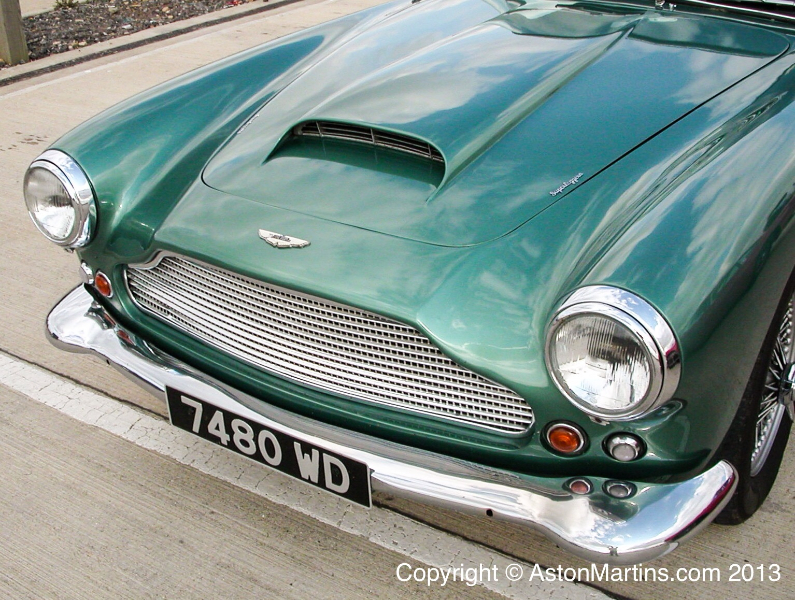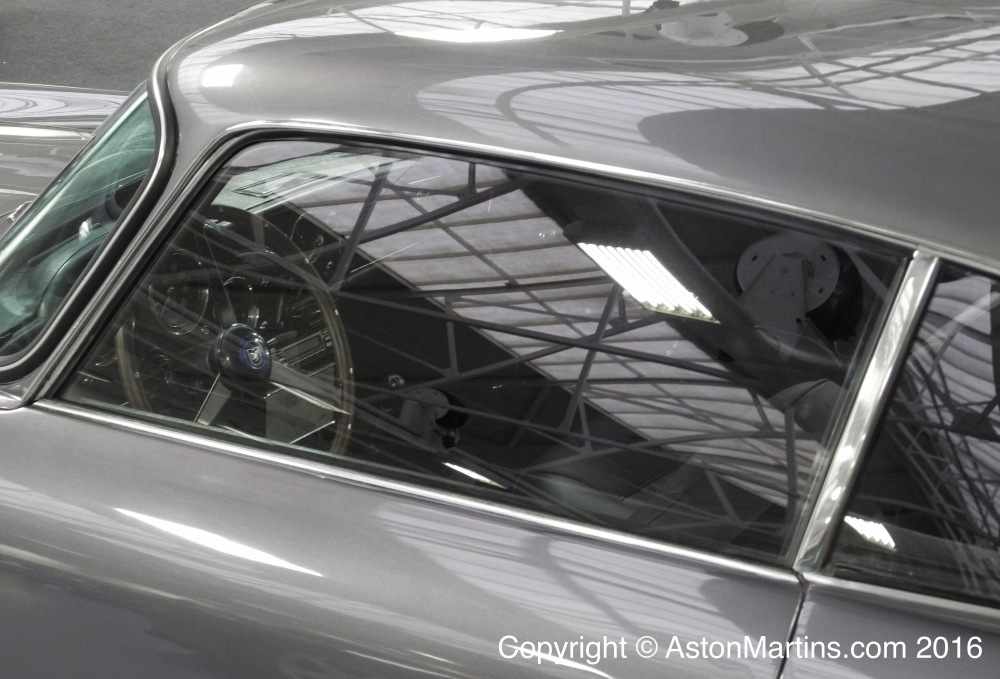


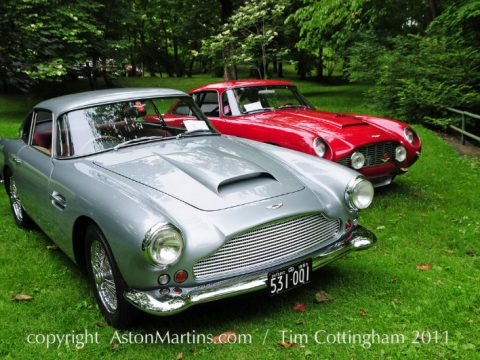
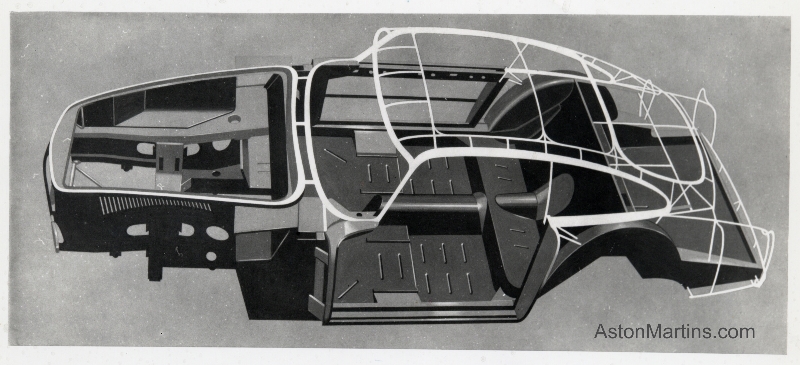
The brand new platform chassis was engineered under the watchful eye of Harold Beech. Topping this, the body frame is made up of a cage of small diameter tubes which is covered by hand made aluminium body panels. This method of construction is known as ‘Superleggera’ (Italian for super light) and was, to a greater or lesser used under license by AML from Touring right the way through into the DB6 Mark 2 in 1970. This is why DB4’s and DB5’s (and a few DB6’s have a pair of Superleggera badges on their bonnets.
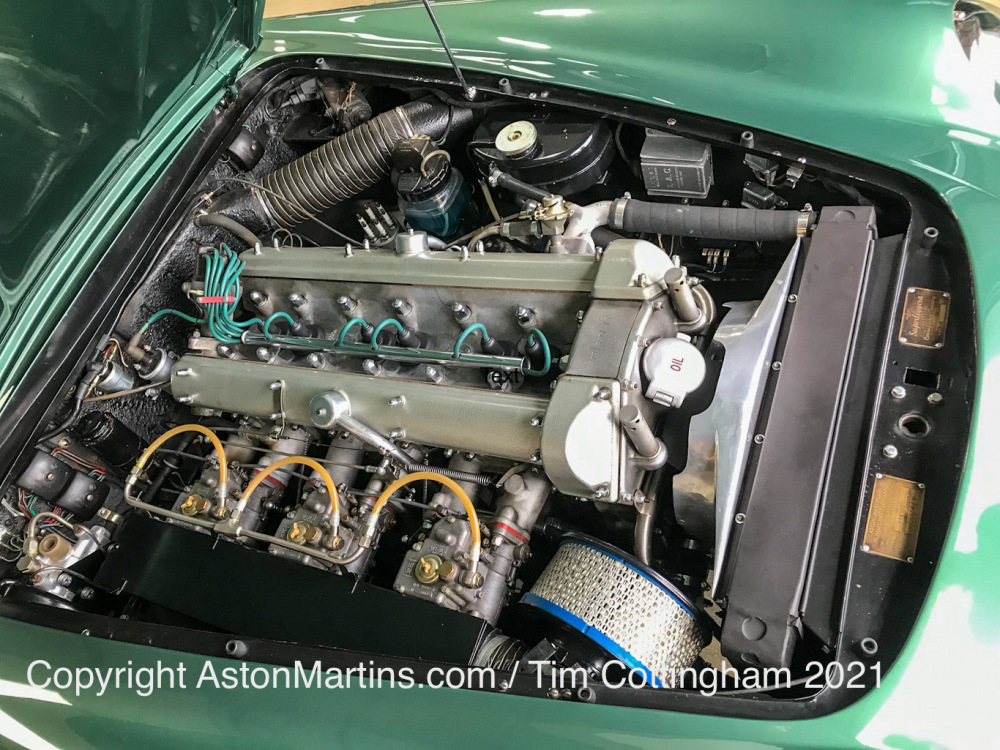
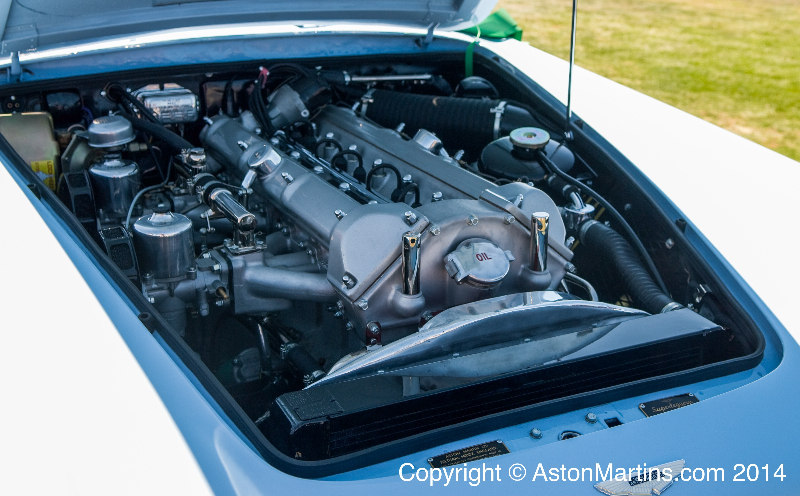
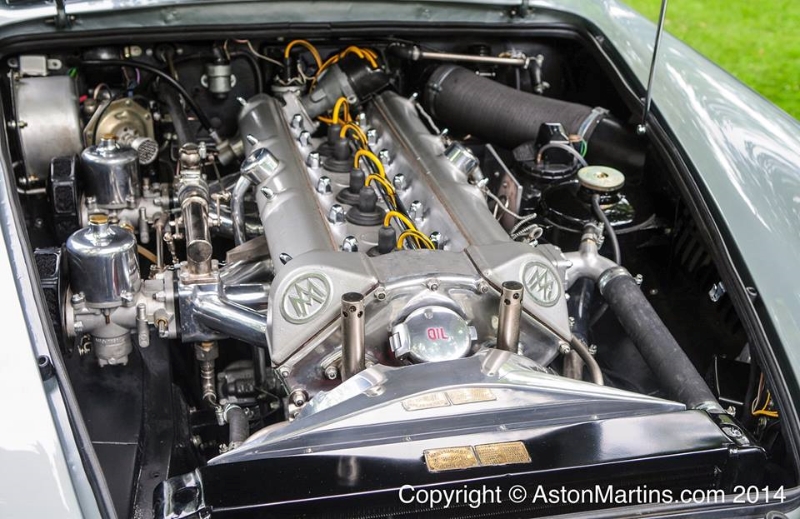
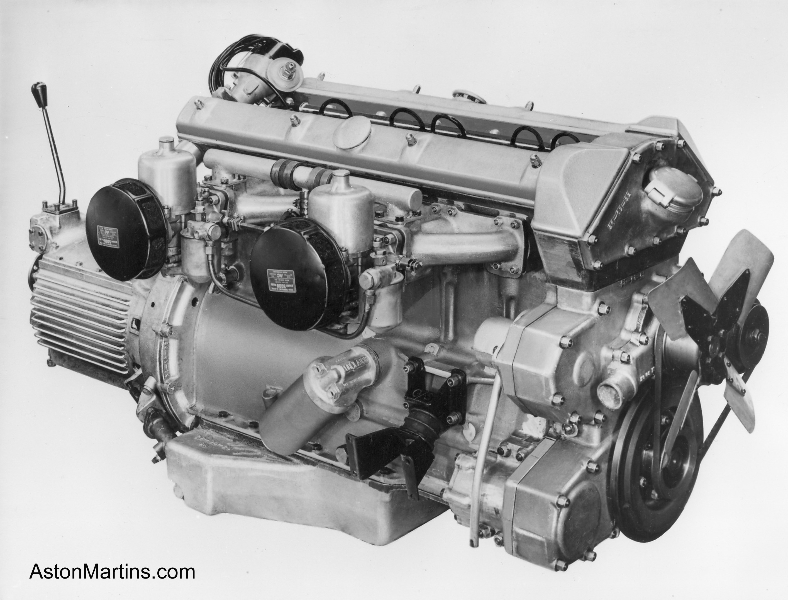
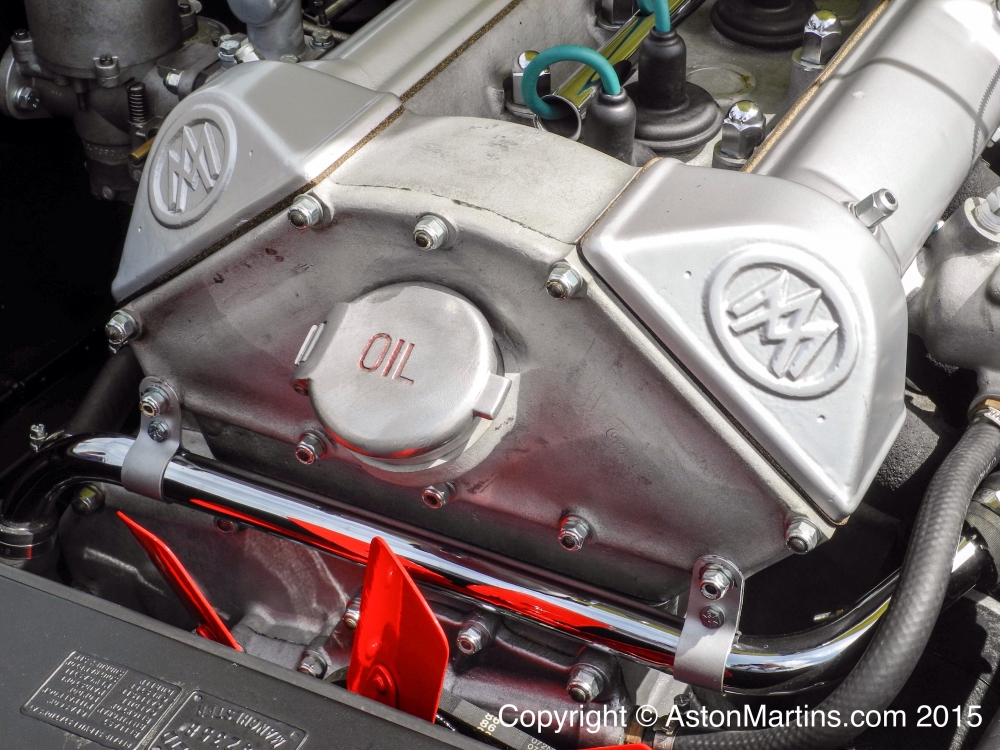
The DB4 was powered by an aluminium straight six cylinder 3670 cc engine; the work of Aston Martin’s Polish designer, Tadek Marek. When fitted with the standard twin SU HD8 carburettors, the engine was said to produce 240 bhp at 5,500 rpm, sufficient for a dash to 60 mph in 9 seconds and a maximum speed of 140 mph. Nowadays, the declared power outputs from the 1960’s are considered a little inflated and it was probably closer to 200 of todays variety. This was mated to a 4 speed manual gearbox made by the gearbox division of the David Brown Corporation.
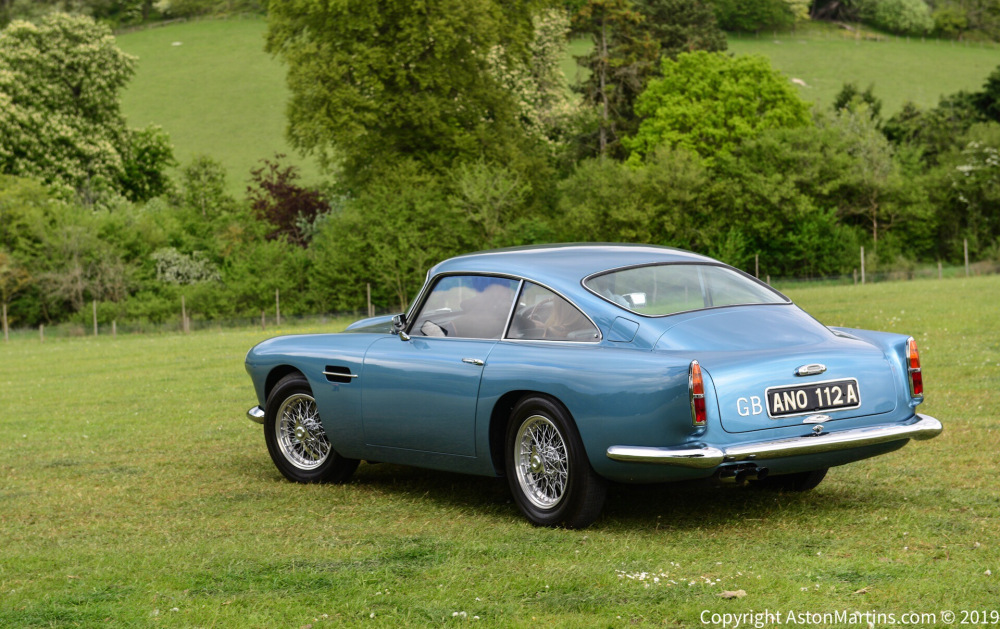
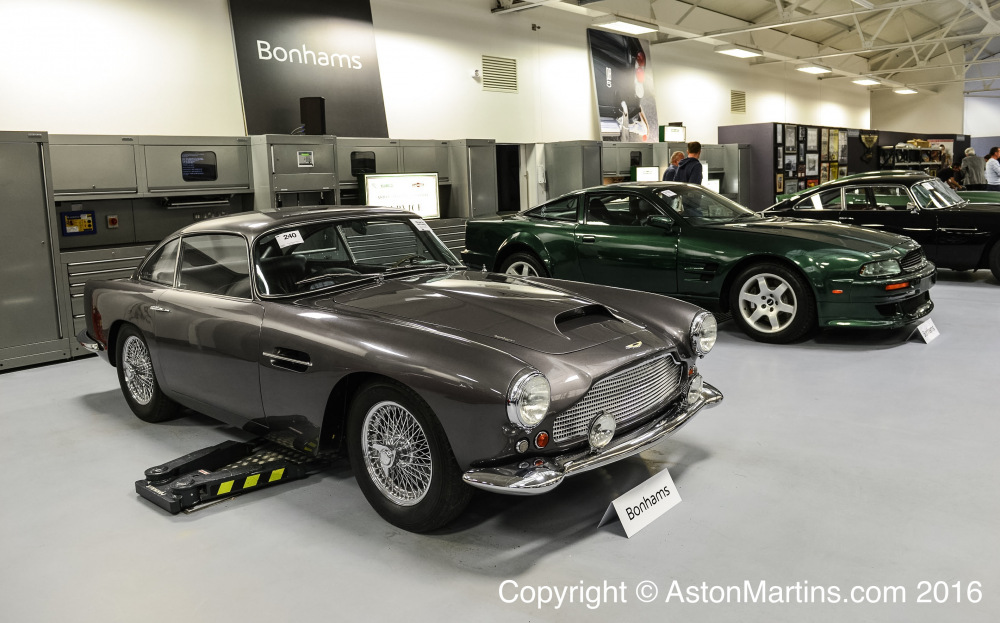
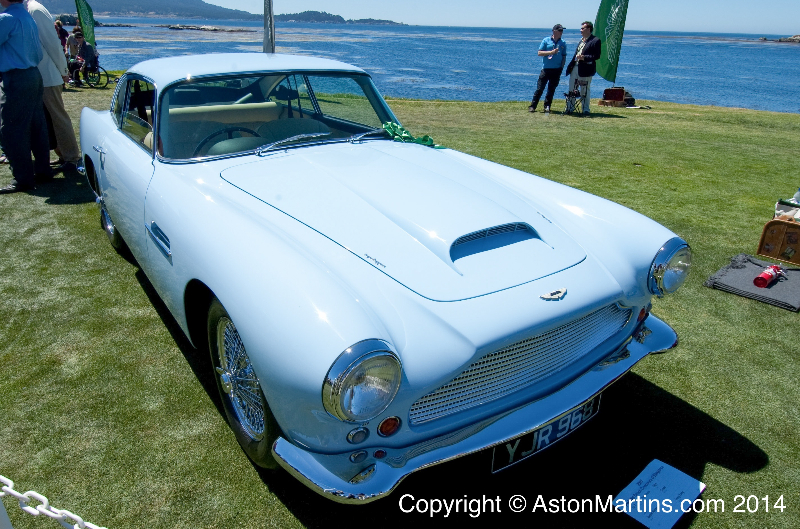
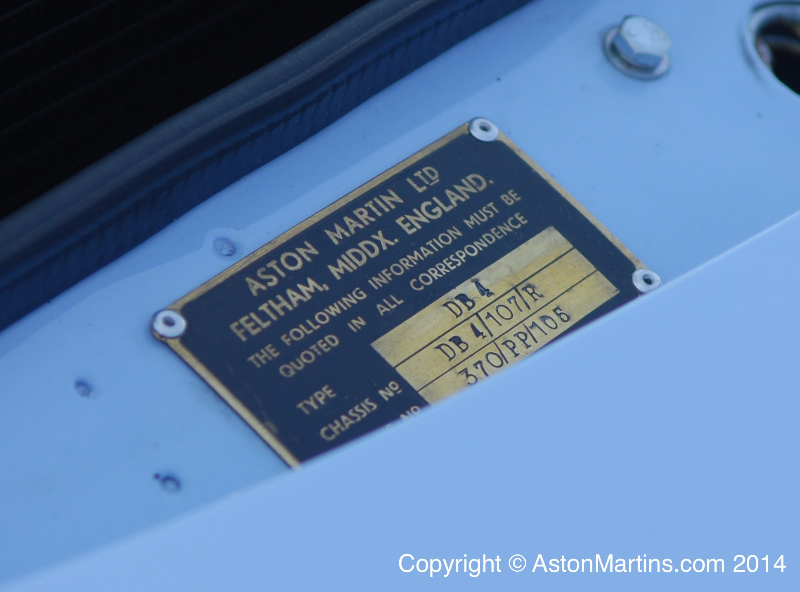
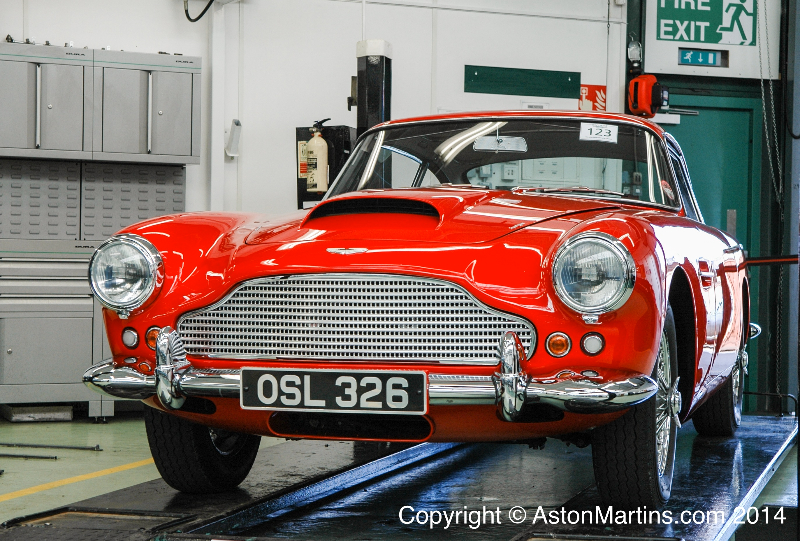
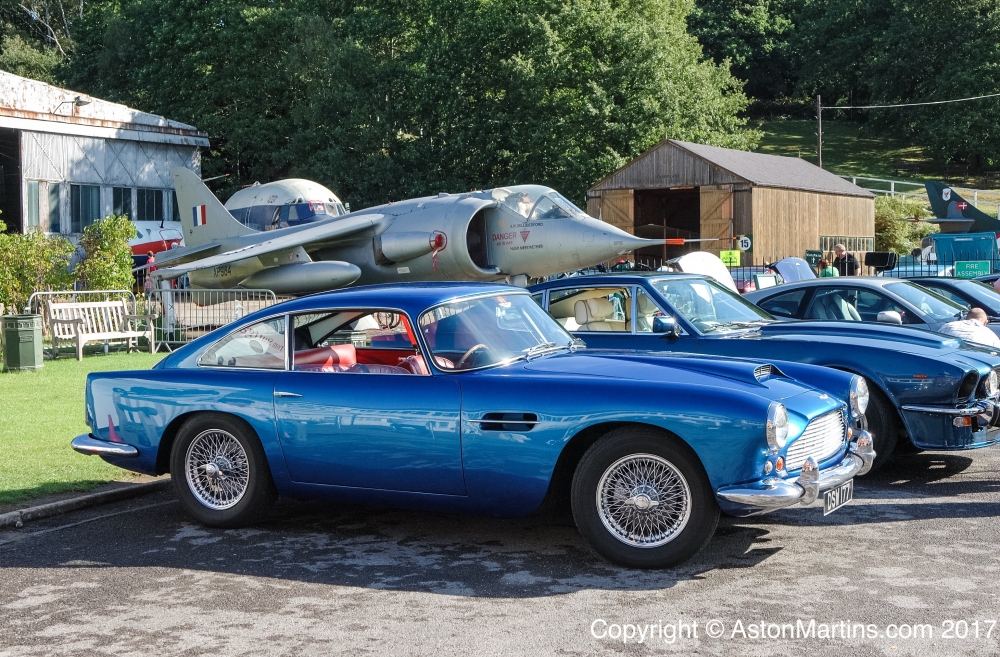
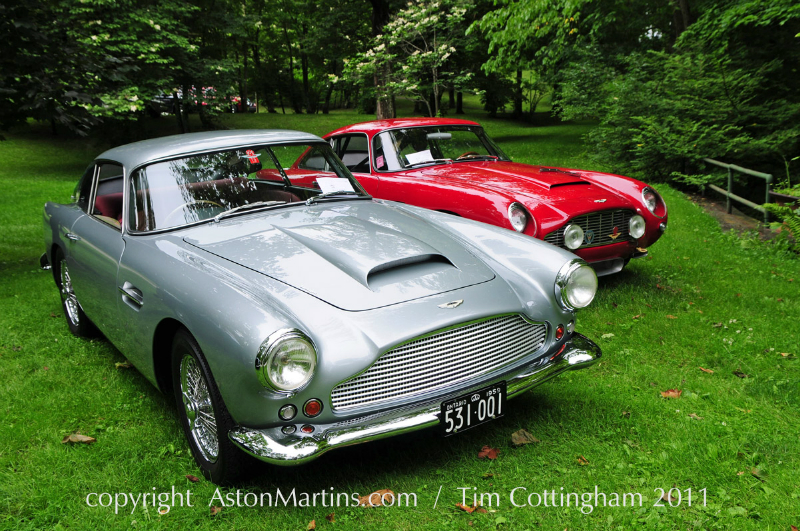
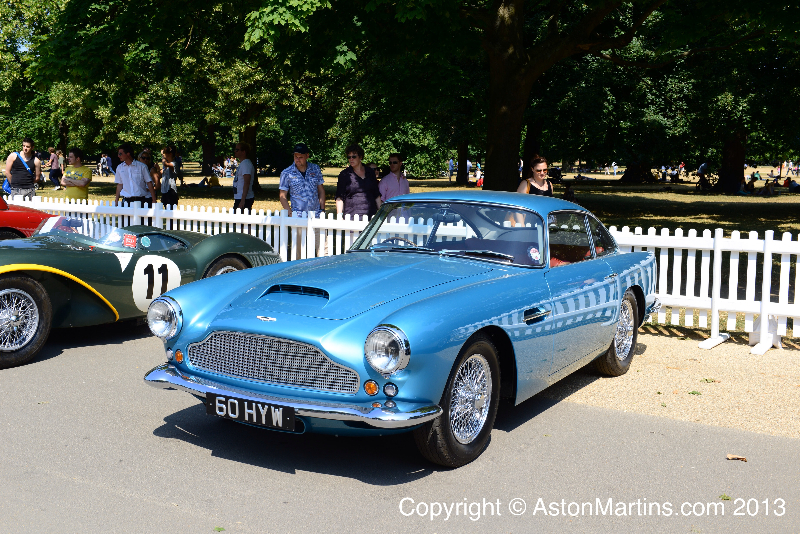
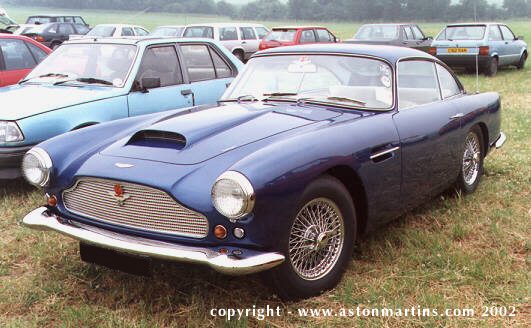
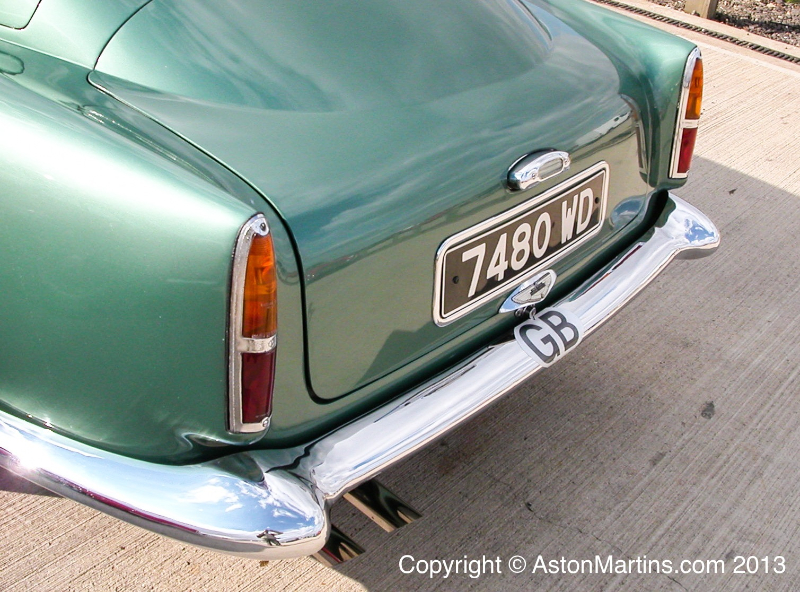
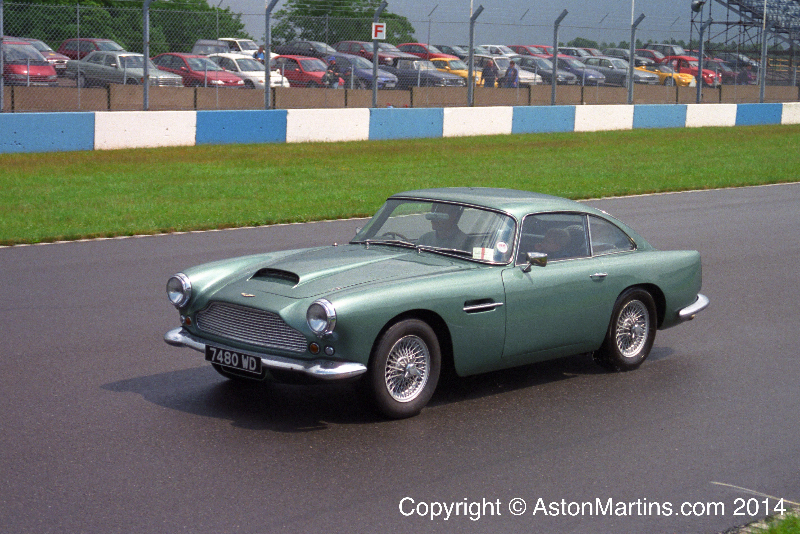
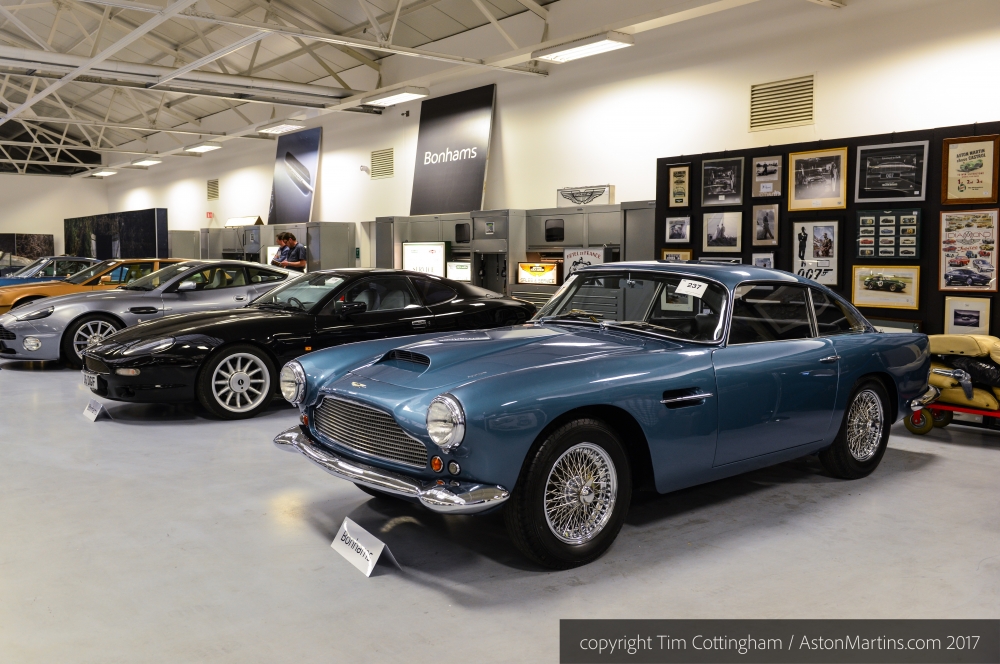
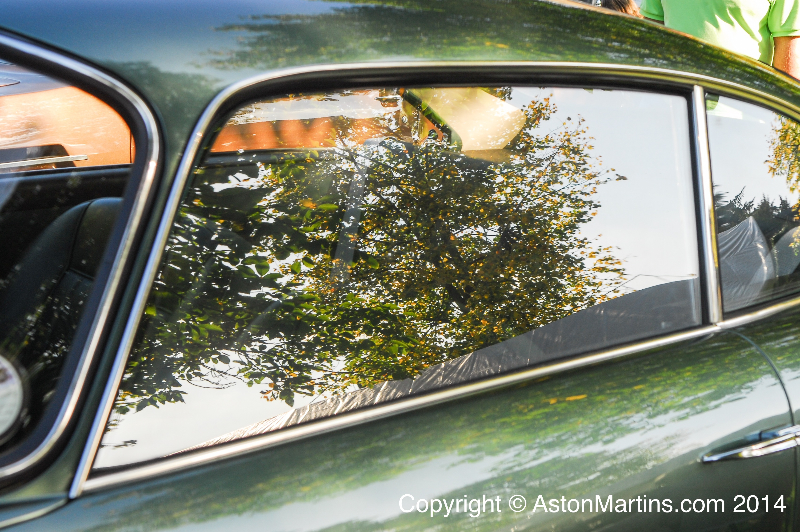
These early and desirable Series 1 DB4’s are characterised by simple bumpers usually without over-riders and the rear hinged, front opening bonnet. Only the series 1 DB4 have this feature as the risk with a front opening bonnet is that if the catch was to fail, the bonnet could fly up at speed and obscure the drivers view of the road. The first 50 cars or so also had no window frames around the door glass (frameless coupe style). This caused whistling at speed and so frames were added on later cars to combat this. Unfortunately for a GT designed for high speed continental cruising, early cars suffered from overheating, a problem not fully sorted until much later in the production run. This problem was eventually cured in much later examples with the fitting of an oil cooler and a much enlarged sump. The Series 1 DB4 was in production from October 1958 to January 1960 (chassis numbers DB4/101/R to DB4/249/L) with a total of just 149 cars completed. Of these 149 cars, 73 were built with left hand drive for export. The improved Series 2 became available from January 1960. Despite the early problems associated with introducing such a revolutionary new car, around 100 examples are thought to still exist with maybe a few more awaiting to be discovered having been locked away in barns and garages for many years.
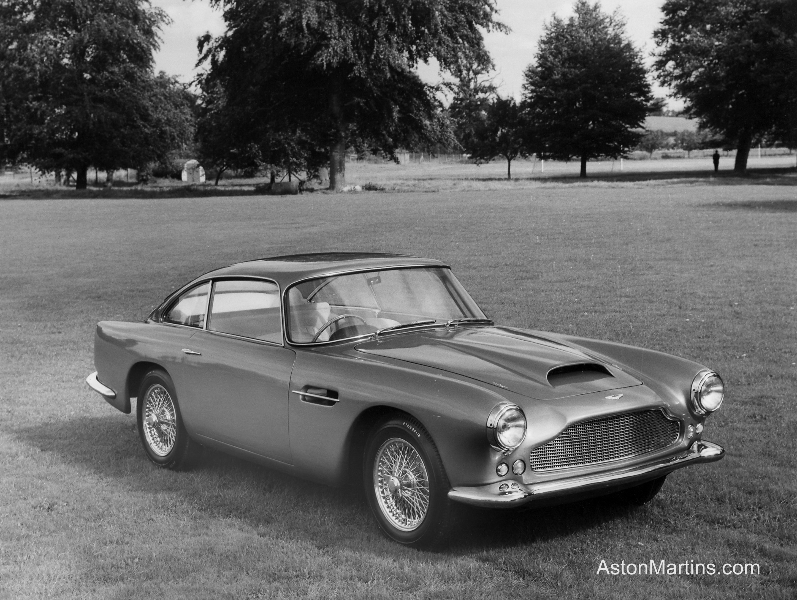
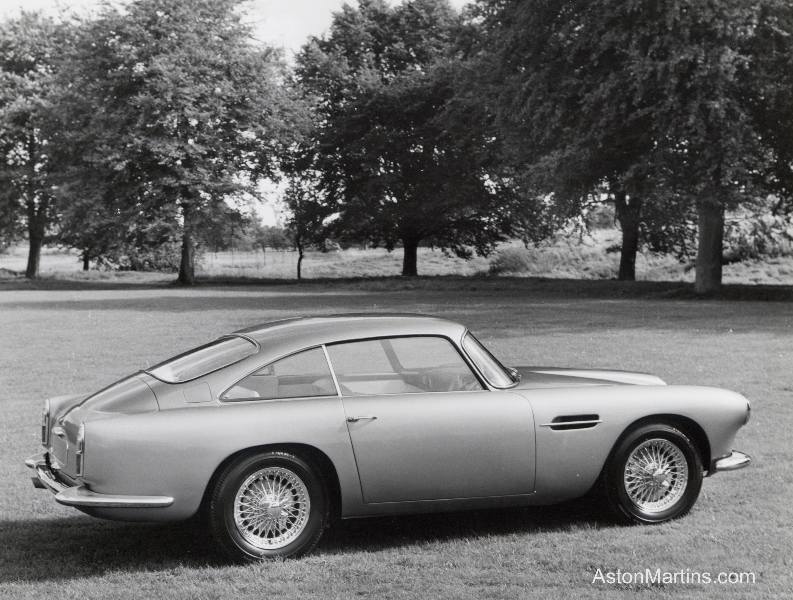
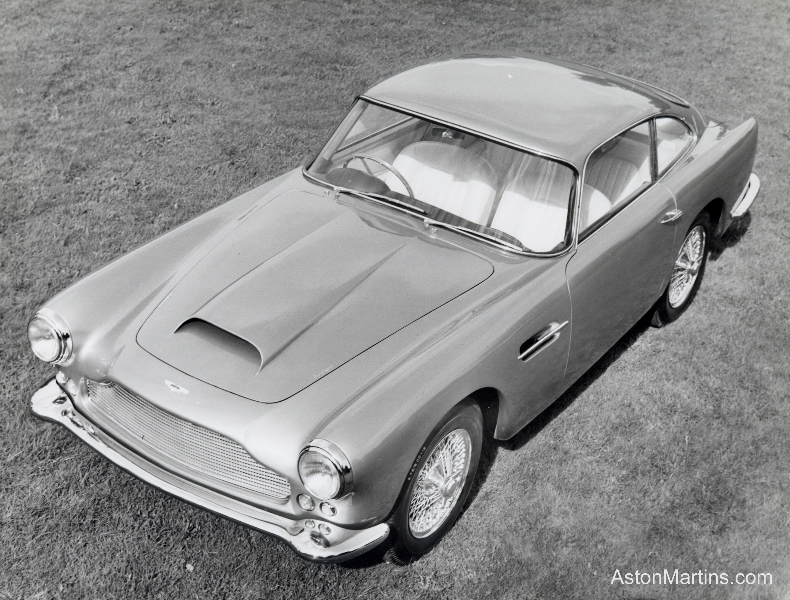

The series grouping of the DB4 from series 1 to series 5 was devised by the factory and is a useful way to describe the evolution of the DB4.But with many things AML, it was not ridgidly addhered to.
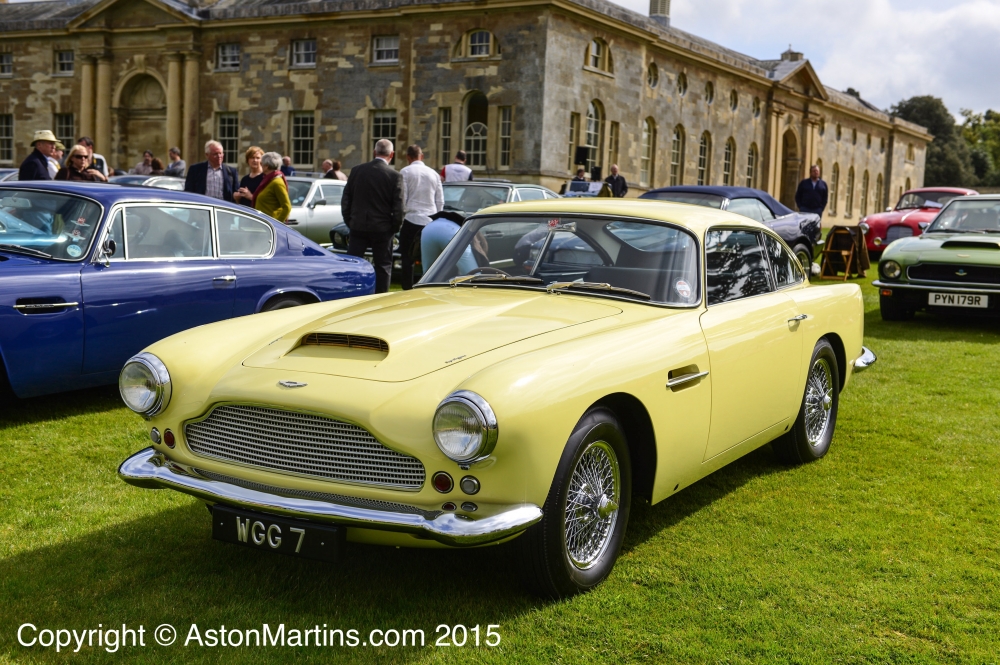
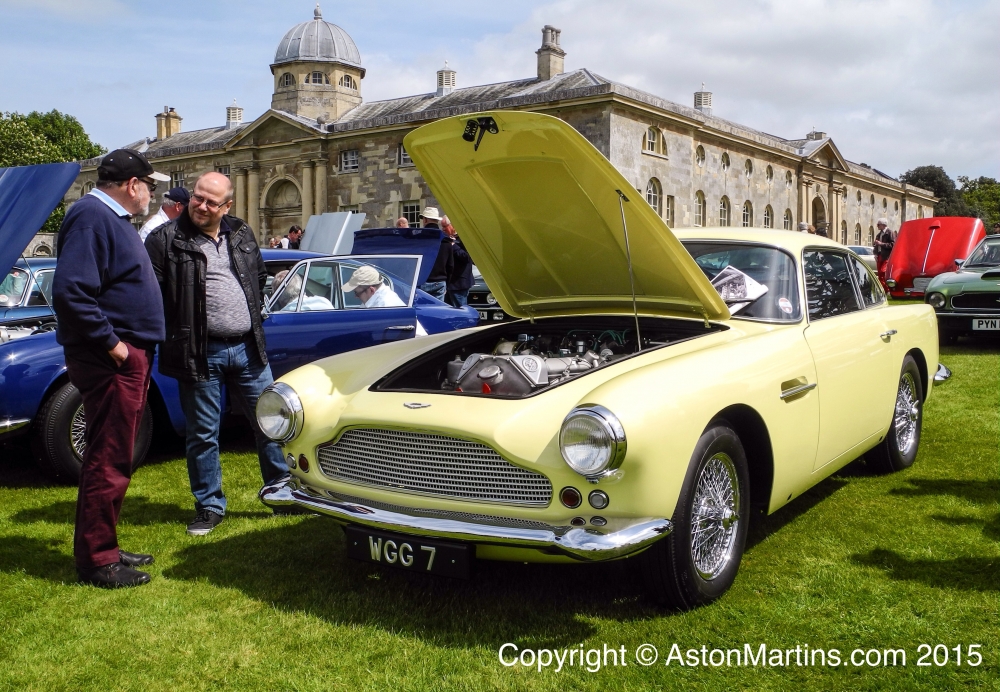
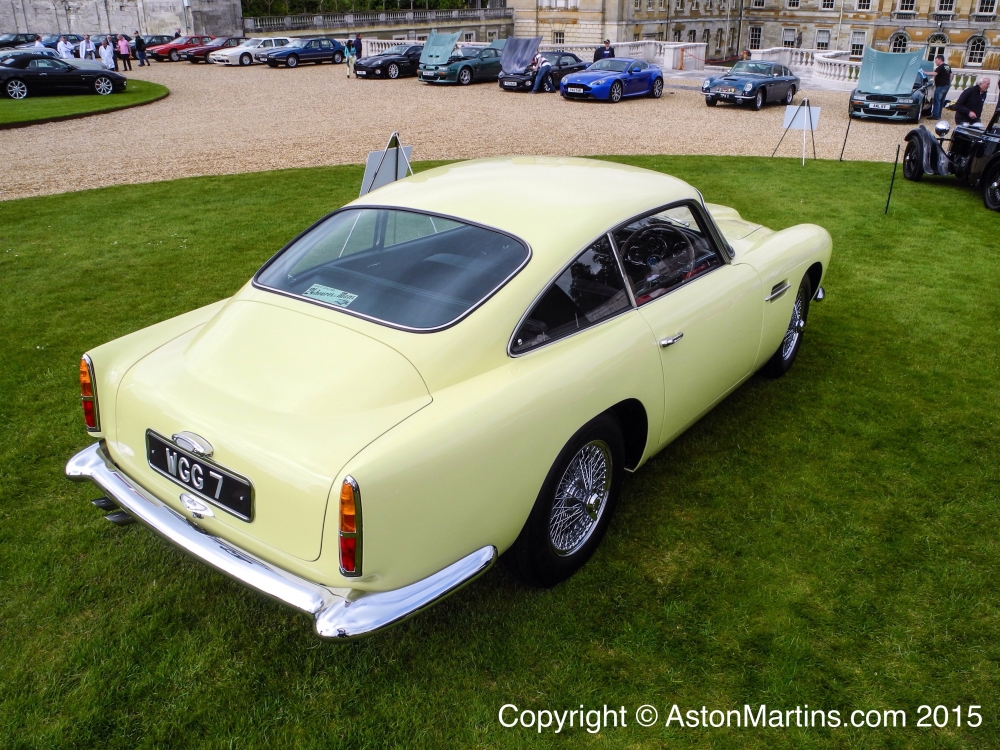
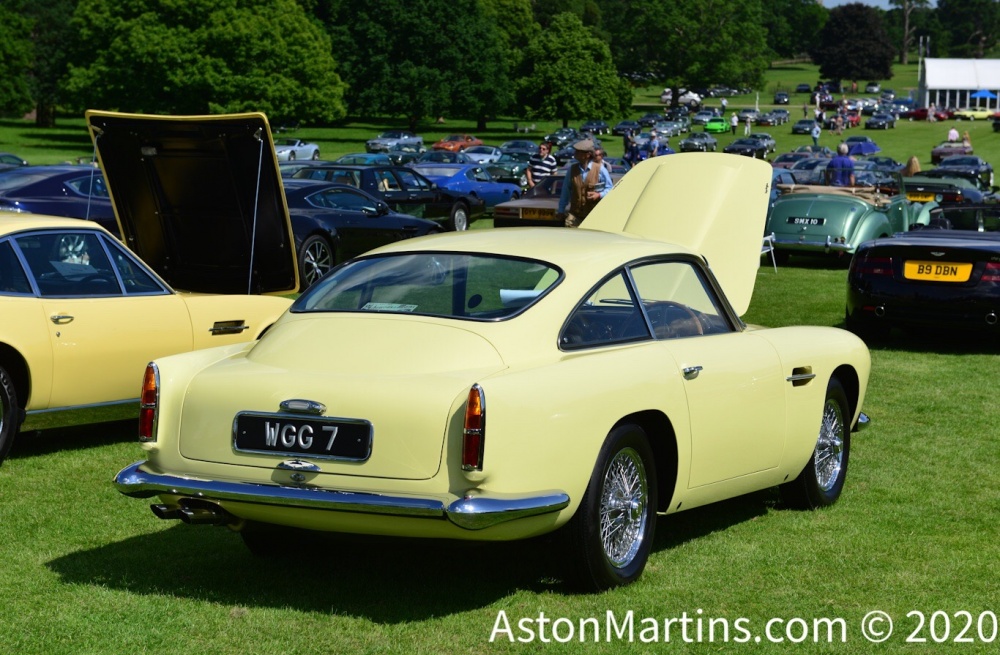
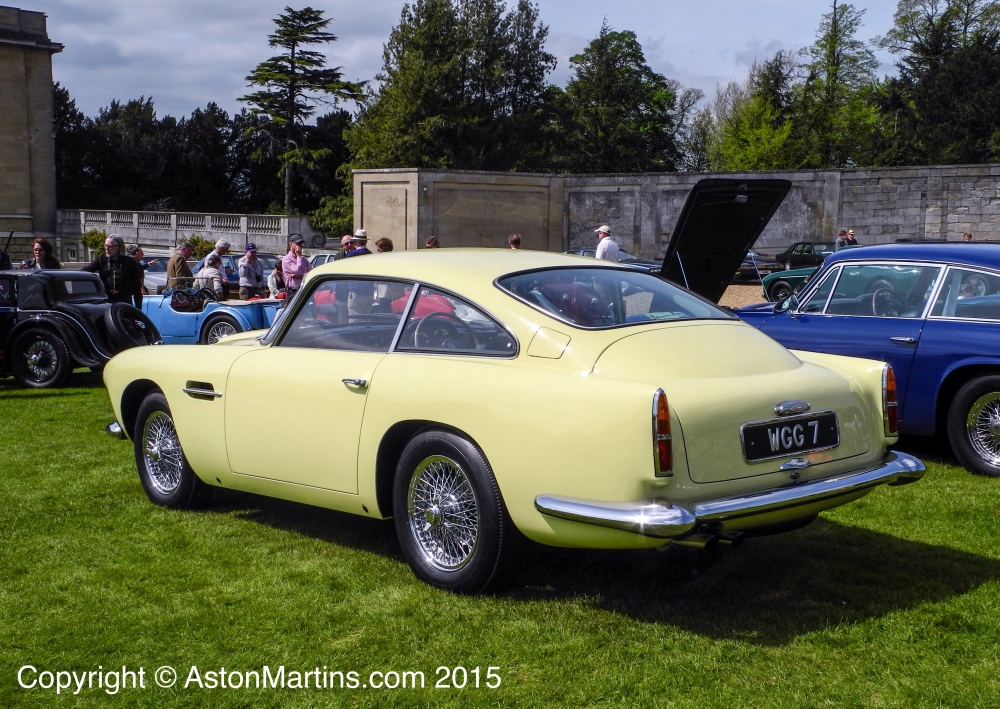
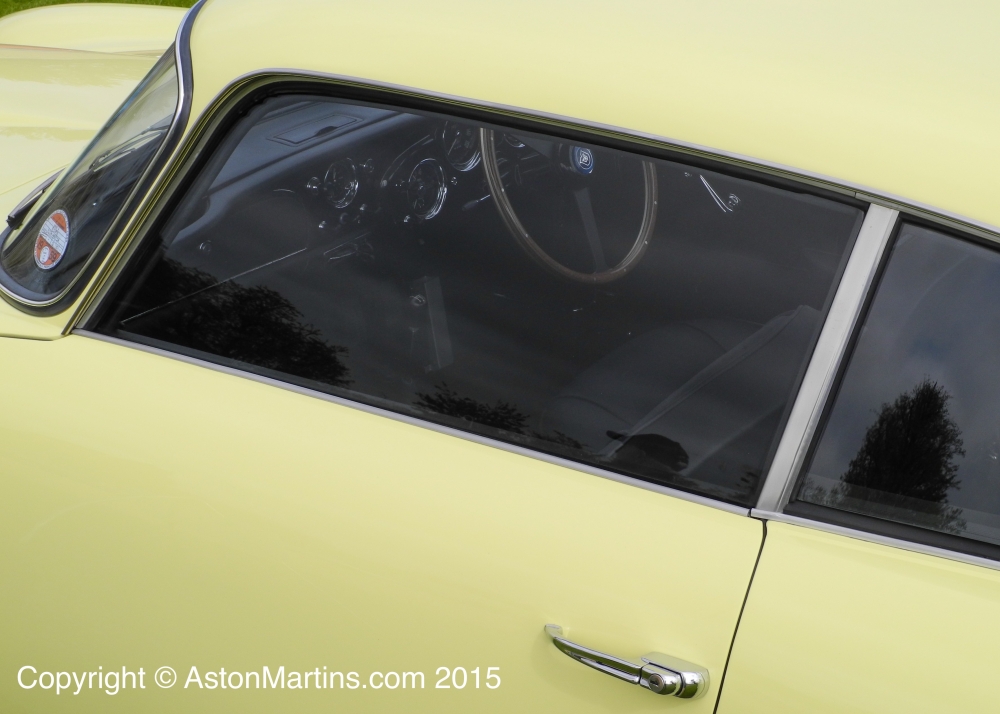
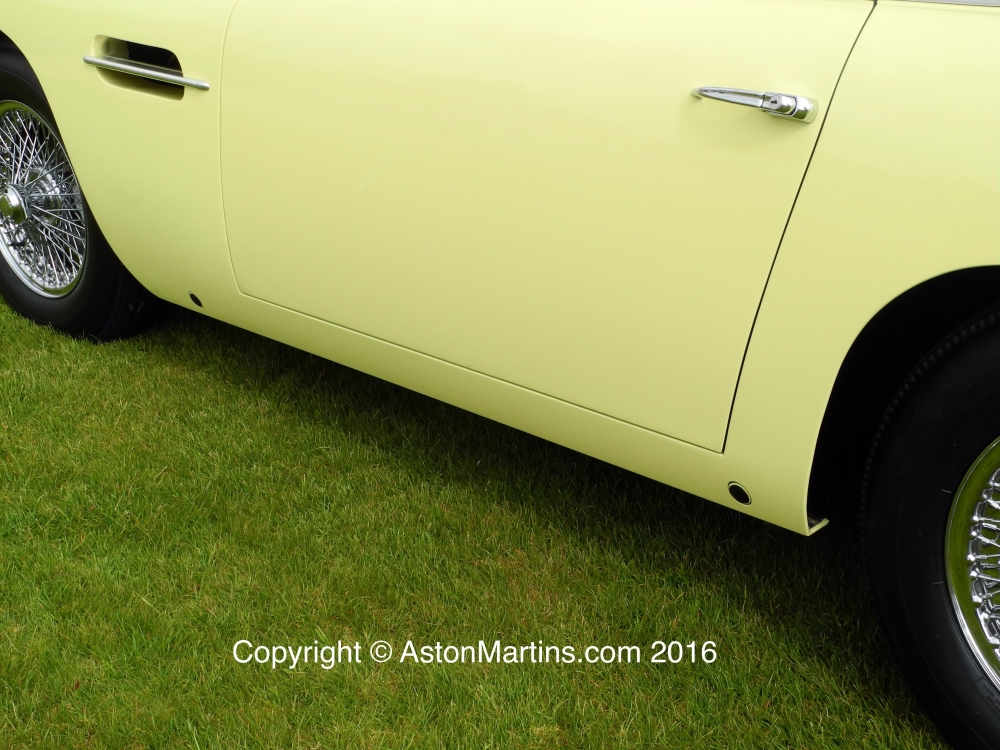
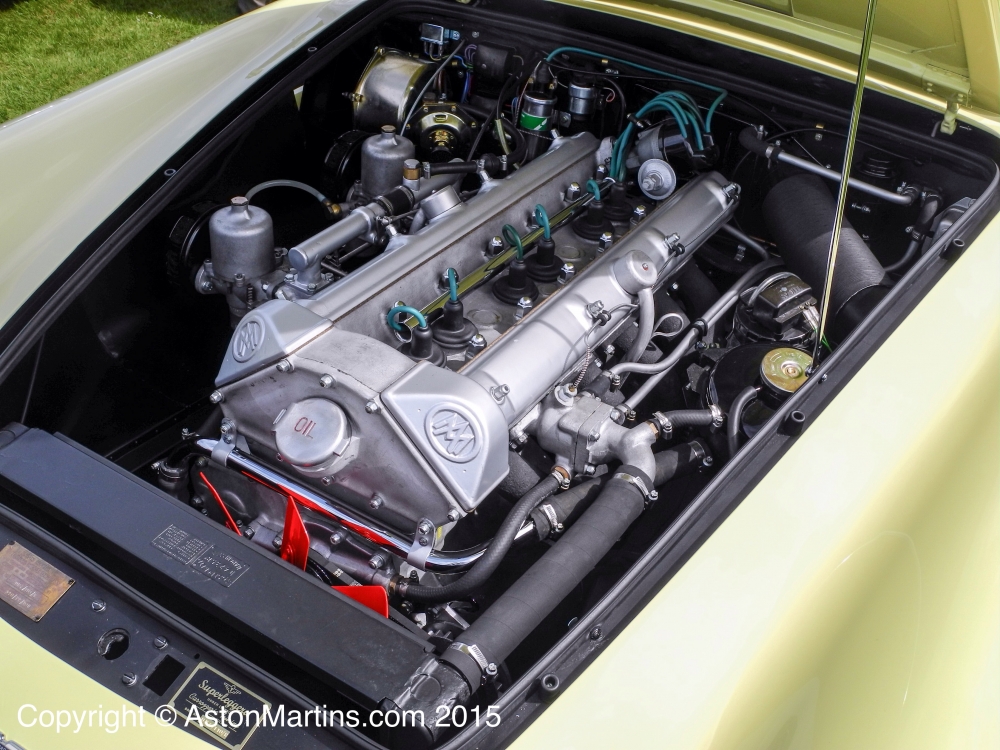
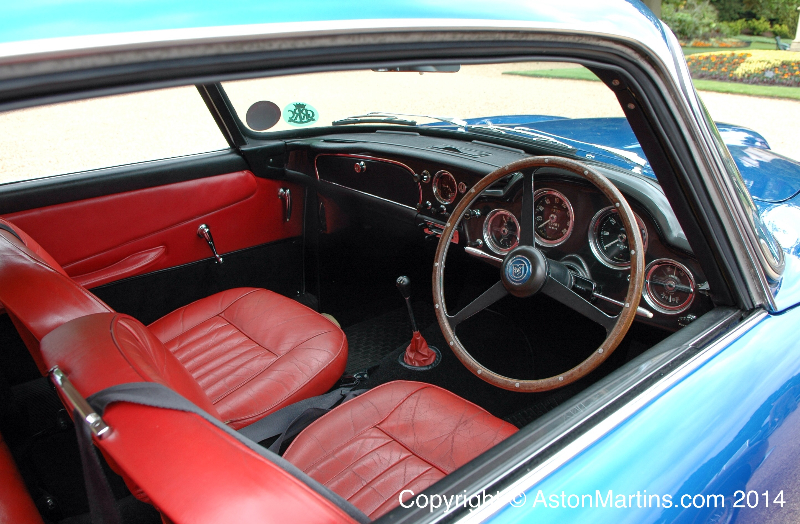
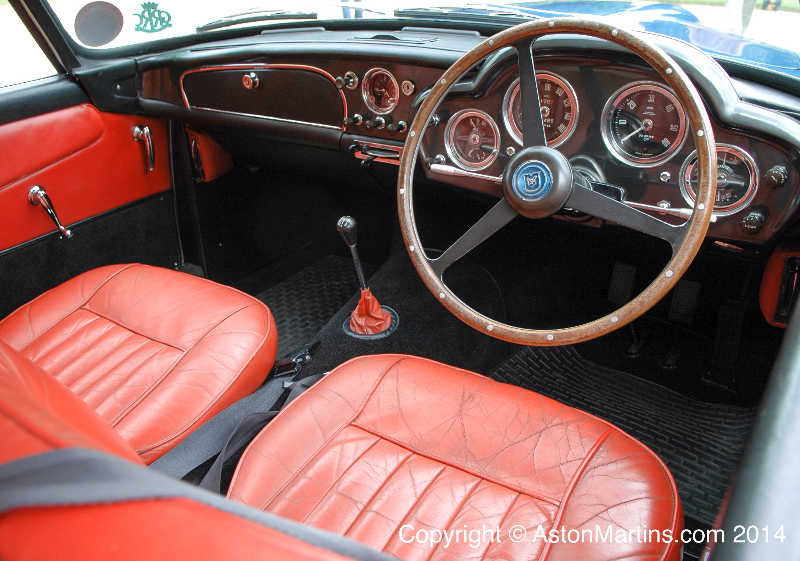
Below is a rather unusual early DB4 which ended up being the special personal project car for the works engine designer, Tadek Marek. Eventually this car featured a DB4GT nose, DB4GT dash, a five speed gearbox and an experimental 4 litre Vantage engine with triple Weber carburettors probably producing close to a true 300 bhp. Marek was a smoker so even the rear quarter lights were electrically operated to extract his cigarette smoke.