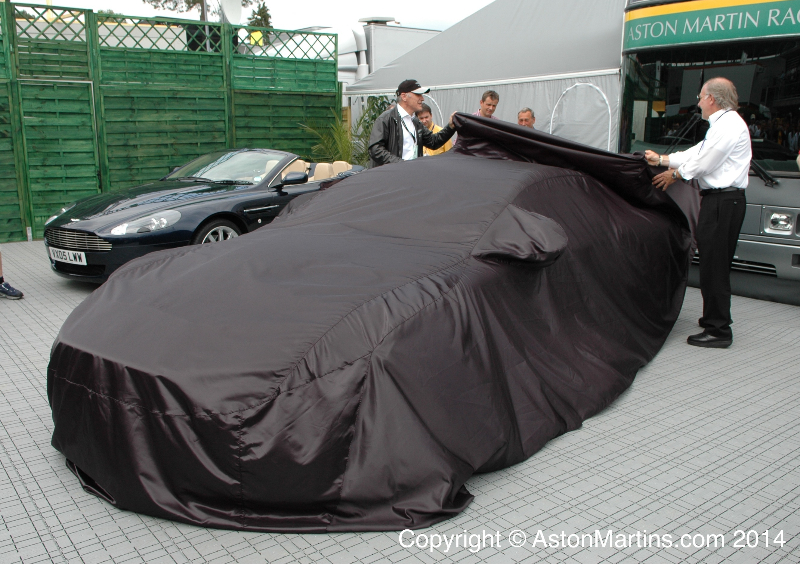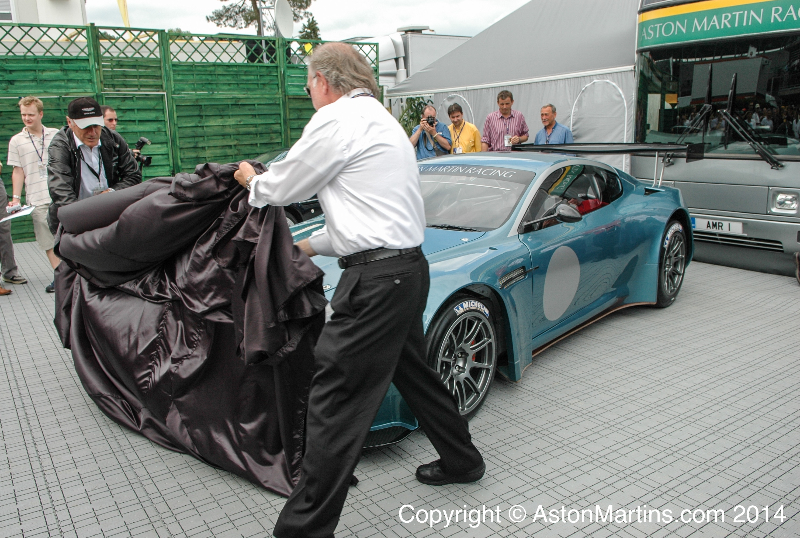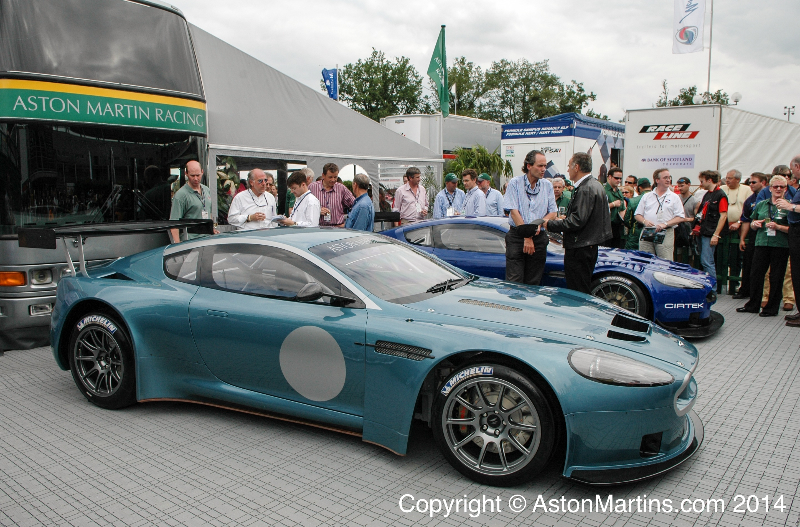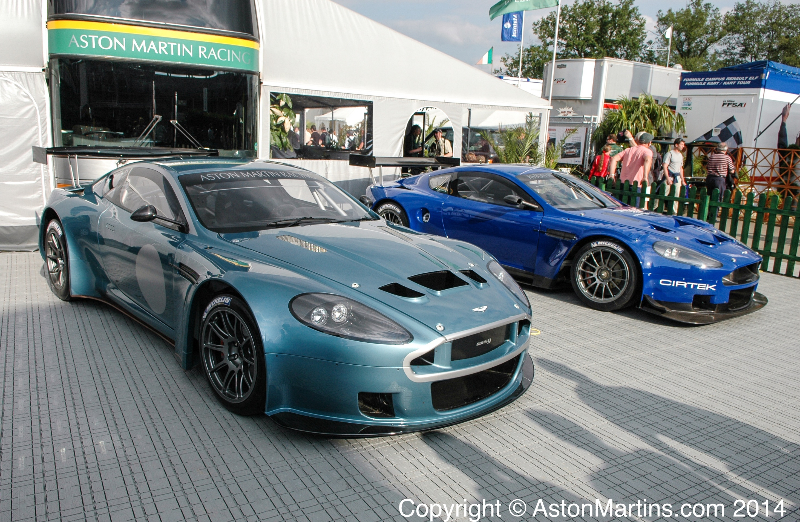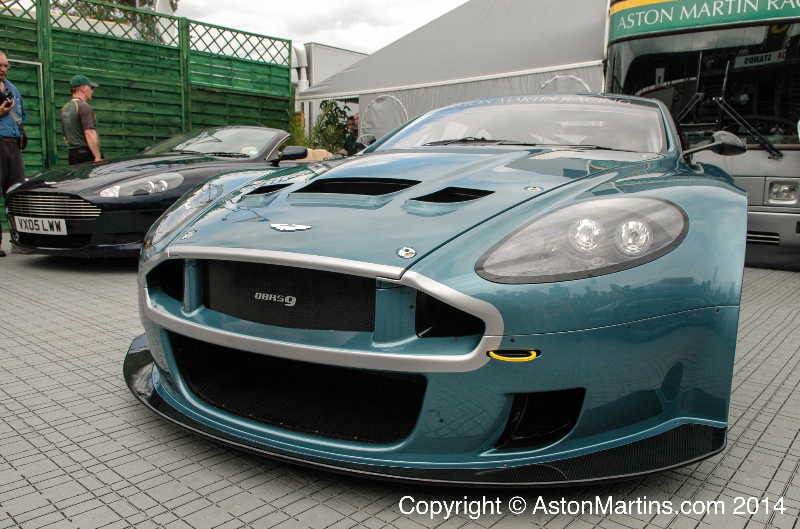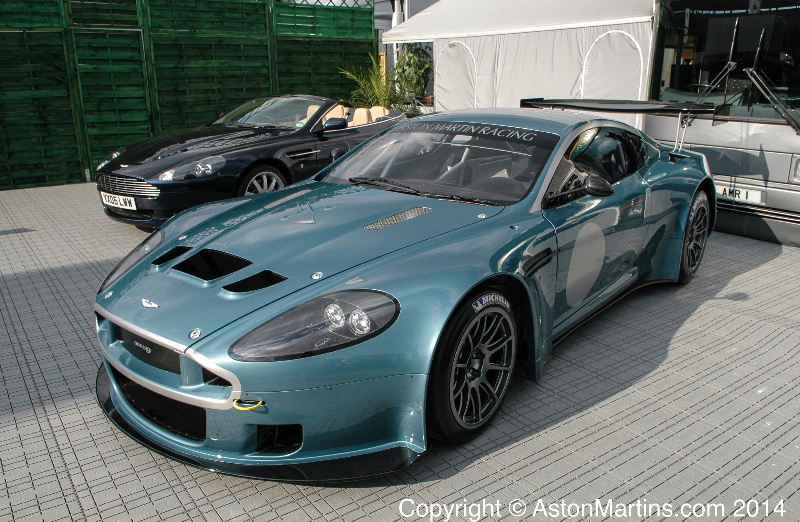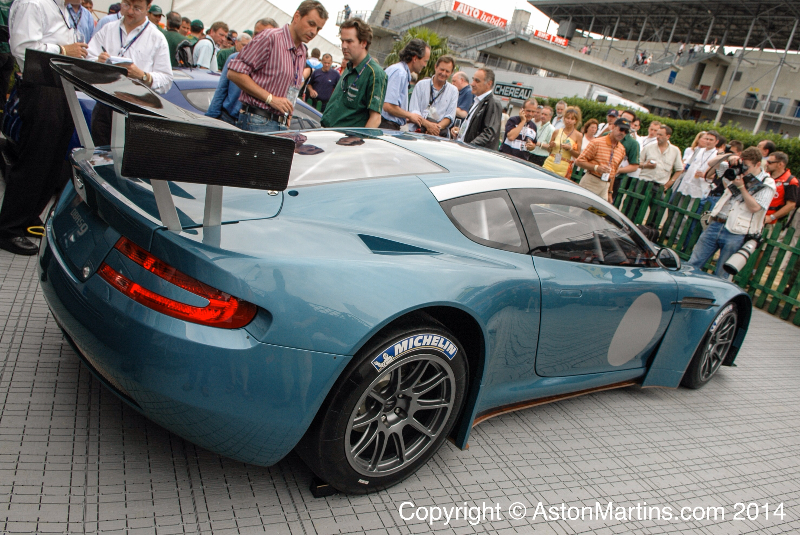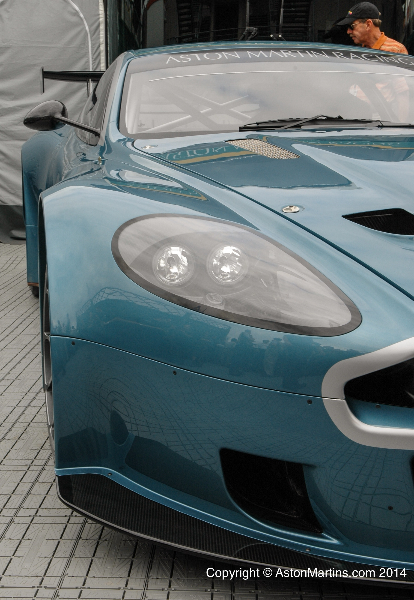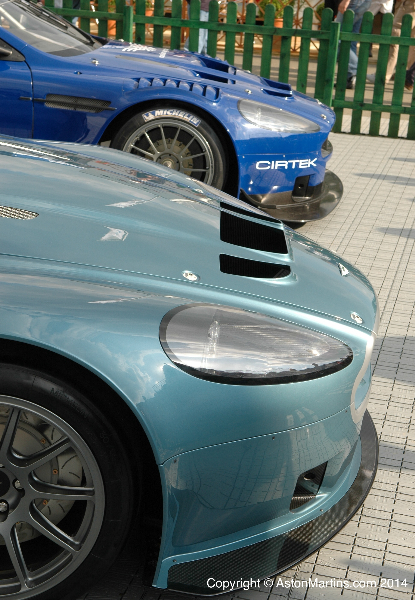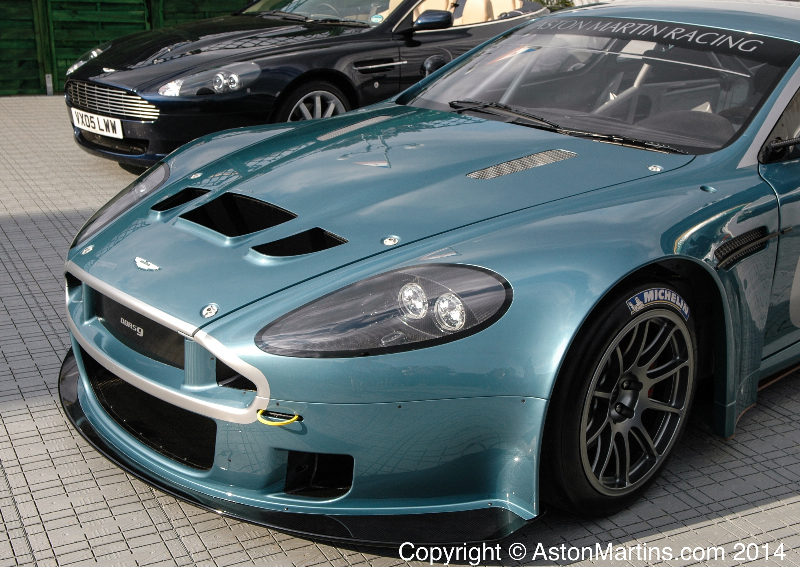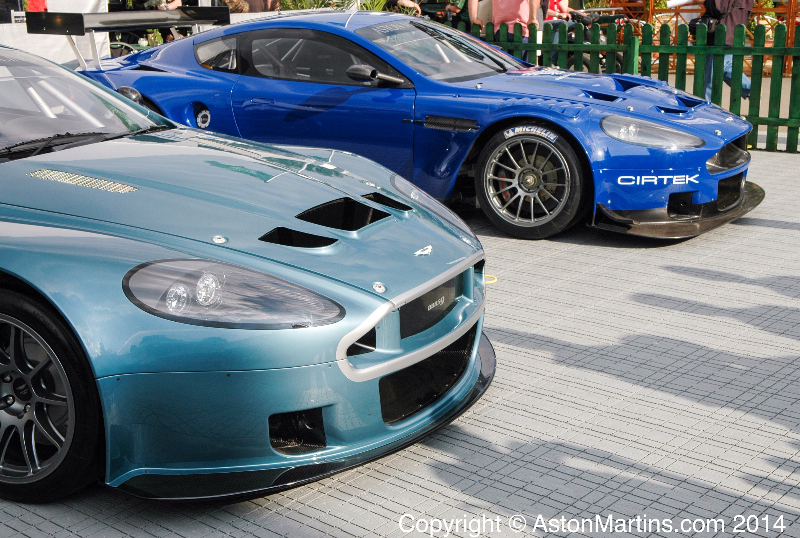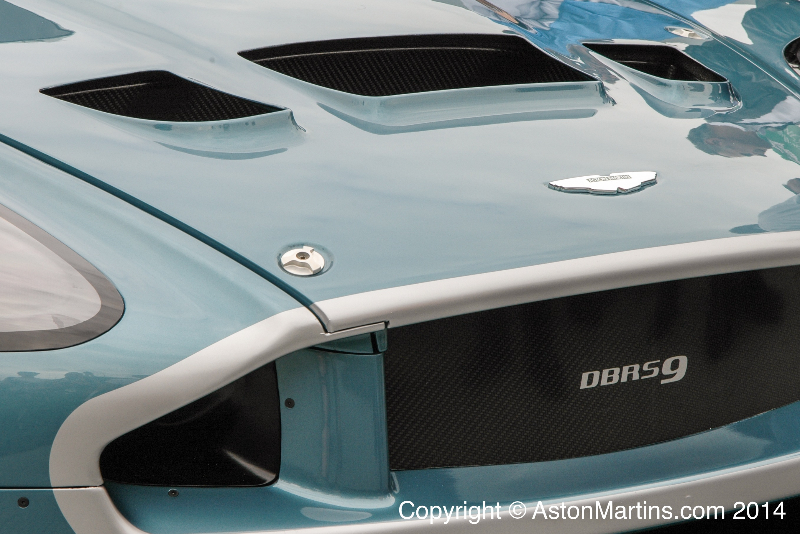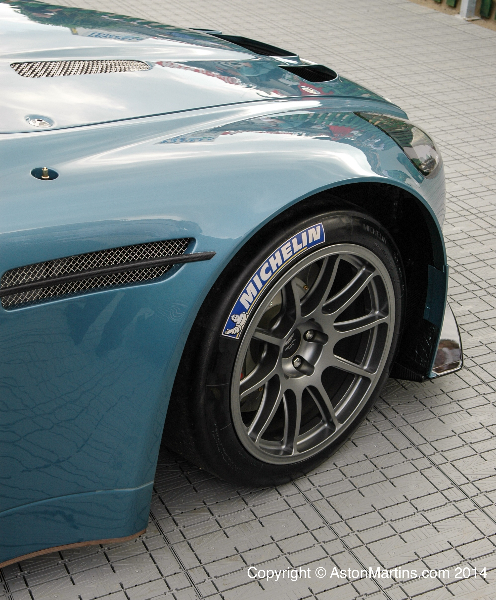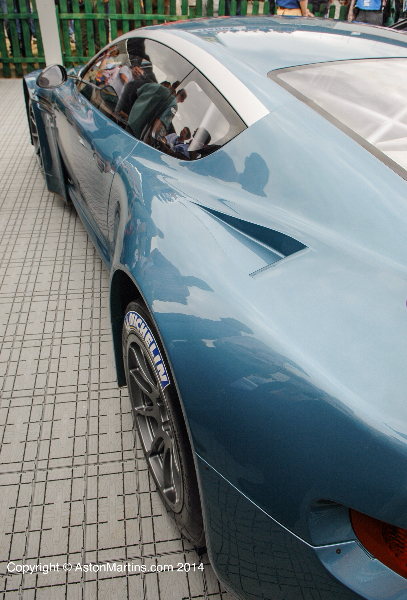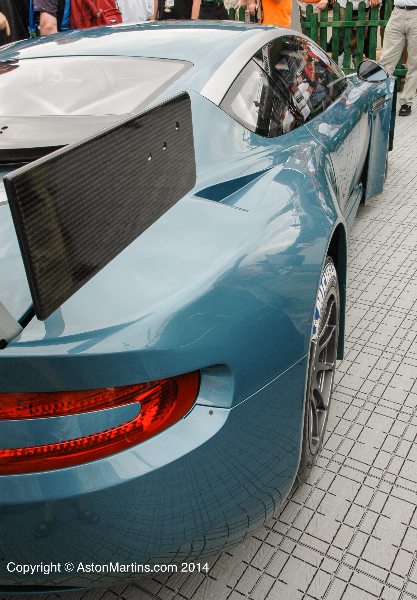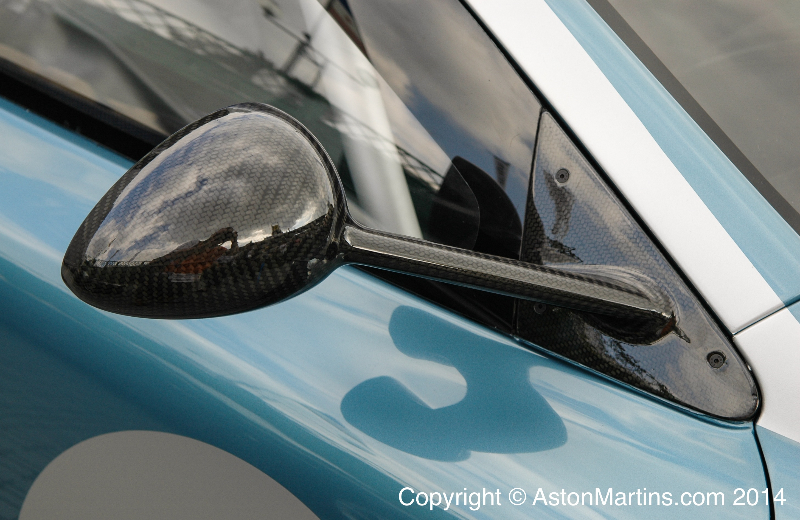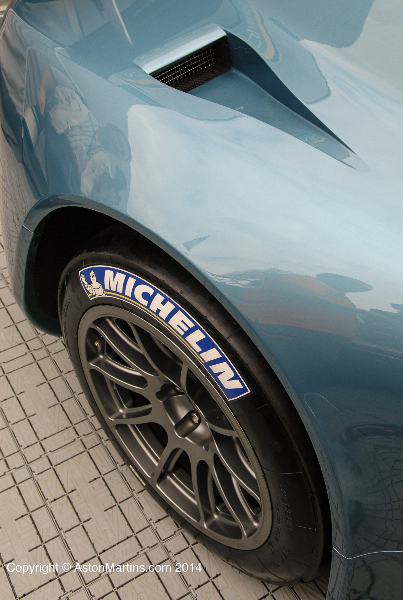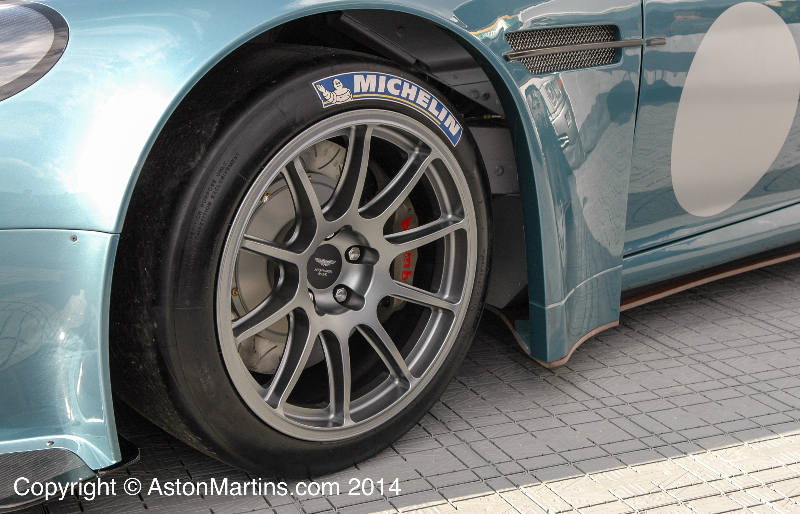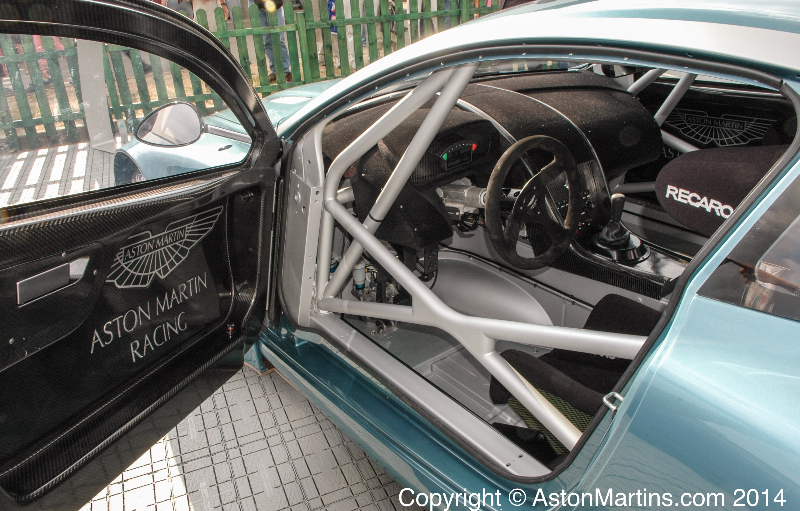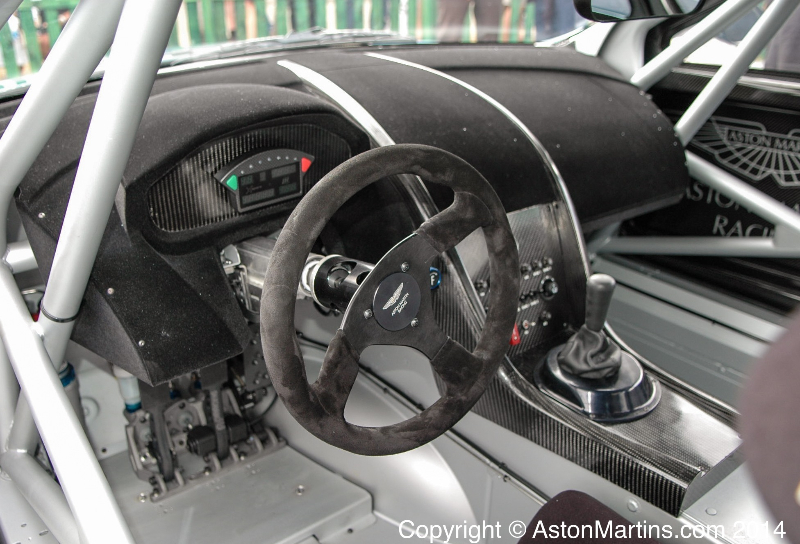


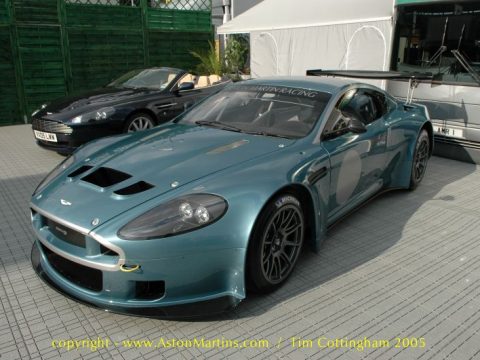
Whilst the DBRS9 was effectively based on the road car DB9, it has many features of the full GT1 spec DBR9. The two cars have similar chassis, carbon bodywork and suspension lay-out, and the engine and drivetrain have been developed by the same team of engineers. The 5.9 litre engine was an uprated version of that fitted to the road car with power upto a very useful 550bhp. But the most significant difference from the road car was that the kerb weight was down to just 1280kg, a massive 480kg weight loss. This was mostly due to the extensive use of carbon composites for body panels and interior trim and also polycarbonate side windows. Common to all three cars is the bonded aluminium tub and aluminium roof panel. At the time of introduction, it was anticipated that the DBRS9 would hit 60 mph at less than 4 seconds and 100 mph in under 9.
The transmission fitted was a more conventional six speed manual with floor mounted H pattern shift and shorter gear ratios. As an option, a six speed sequential could also be fitted. The suspension was been lowered and the double wishbone suspension has been rose jointed and fitted with two-way adjustable Koni dampers and stiffened competition springs.
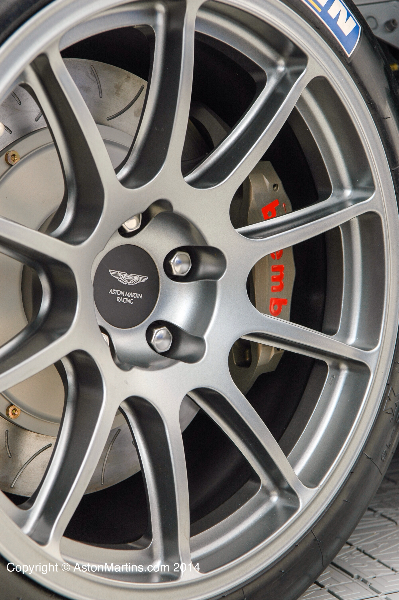
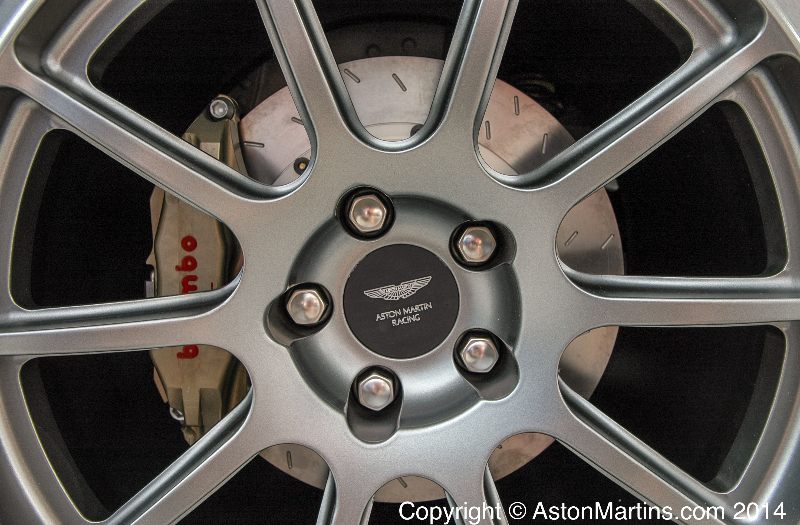
Front brakes were huge 380mm steel discs with Brembo six piston callipers, the rears were 313mm with four pistons but these could be replaced with carbon brakes as an option. Another option was a passenger seat so the owner/driver can impress a potential race sponsor.
By late November 2005, the first DBRS9 had completed over 3000Km of testing, mostly at the hands of Darren Turner, AMR works driver. During that time, it reached the required level of performance for it to compete in the FIA GT3 class.
- DBRS9 – Barwell Motorsport DBRS9
- DBRS9 – BMS Scuderia Italia
- DBRS9 – Autosport Designs
- DBRS9 – Hexis Racing
- DBRS9 – Racing for Belgium
|
DB9 Coupe (manual) |
DBR9 GT1 |
DBRS9 |
|
| Engine Power | 450 bhp | 600 bhp | 550 bhp |
| Engine Torque | 570 Nm | 700 Nm | 620 Nm |
| Weight | 1710 kg | 1100 kg | 1280 kg |
| Power : Weight | 263 bhp per tonne | 550 bhp per tonne | 430 bhp per tonne |
| 0 – 60 mph | 4.7 seconds | 3.4 seconds (est.) | less than 4 seconds |
| 0 – 100 mph | 10.8 seconds | 6.2 seconds (est.) | less than 9 seconds |
| Price inc VAT | £103,000 | £530,000 | £205,000 |
At introduction, the price of the DBRS9 was £175,000 plus options plus taxes which was an awful lot less expensive than the £450,000 plus taxes needed at the time for a DBR9. It’s was also significantly cheaper than a DB4GT. The production cars were built by Prodrive at the AMR facility at Banbury with the first customers taking delivery just before Christmas 2005.
When production of the DBRS9 ended during 2008, it is believed that 28 cars had been completed, one testing and development prototype (DBRS/X1), one works car (DBRS9/101) and 26 customer cars (DBRS9/1 to /26). There is some suspicion that the car unveiled at Le Mans in 2005, DBRS9/101 and the development prototype, DBRS9/X1 may be one and the same car as, following the Le Mans debut, the /101 has not been seen in public again. Aston Martin Racing replaced the DBRS9 with the V12 Vantage GT3 in 2012.